PSG and Arsenal Set for Champions League Final Showdown in Budapest
Holders PSG, rebuilt under Luis Enrique, face Arsenal in the 2026 final, aiming to defend their title.
SOUTH AFRICA —
Key facts
- The 2026 UEFA Champions League final will feature Paris Saint-Germain against Arsenal.
- The match is scheduled for Saturday, May 30, 2026, in Budapest, Hungary.
- Paris Saint-Germain are the defending champions, having won the 2025 final.
- Arsenal are appearing in their first Champions League final in 20 years.
- PSG defeated Bayern Munich in the semi-finals with a 5-4 aggregate score.
- Ousmane Dembele and Khvicha Kvaratskhelia were key in PSG's semi-final victory.
- The final will be held at the Puskás Aréna, which opened in 2019.
- The match will kick off at 18:00 CET.
Budapest Beckons for European Club Football's Pinnacle
The stage is set for the 2025/26 UEFA Champions League final, a clash between holders Paris Saint-Germain and Arsenal, scheduled to unfold on Saturday, May 30, 2026. The prestigious Puskás Aréna in Budapest, Hungary, will host this highly anticipated encounter, marking the first time the nation's capital has staged Europe's premier club competition final. This monumental event concludes the 71st season of Europe's elite club football tournament. The Puskás Aréna, inaugurated in November 2019, has previously hosted the UEFA Europa League final in 2023. UEFA president Aleksander Čeferin has lauded the 67,000-seater stadium as "the jewel in Hungarian football's crown." The final's earlier kick-off time of 18:00 CET is designed to enhance the overall matchday experience for fans, teams, and host cities through optimised logistics. For Paris Saint-Germain, this final presents an opportunity to etch their name further into history. They aim to become only the second club in the Champions League era to successfully defend their title, a feat previously achieved by Real Madrid between 2016 and 2018. Arsenal, meanwhile, are seeking their maiden Champions League trophy, aiming to become the 25th club to lift the coveted prize and the second new winner in succession following PSG's 2025 triumph.
PSG's Statement Performance Against Bayern Munich
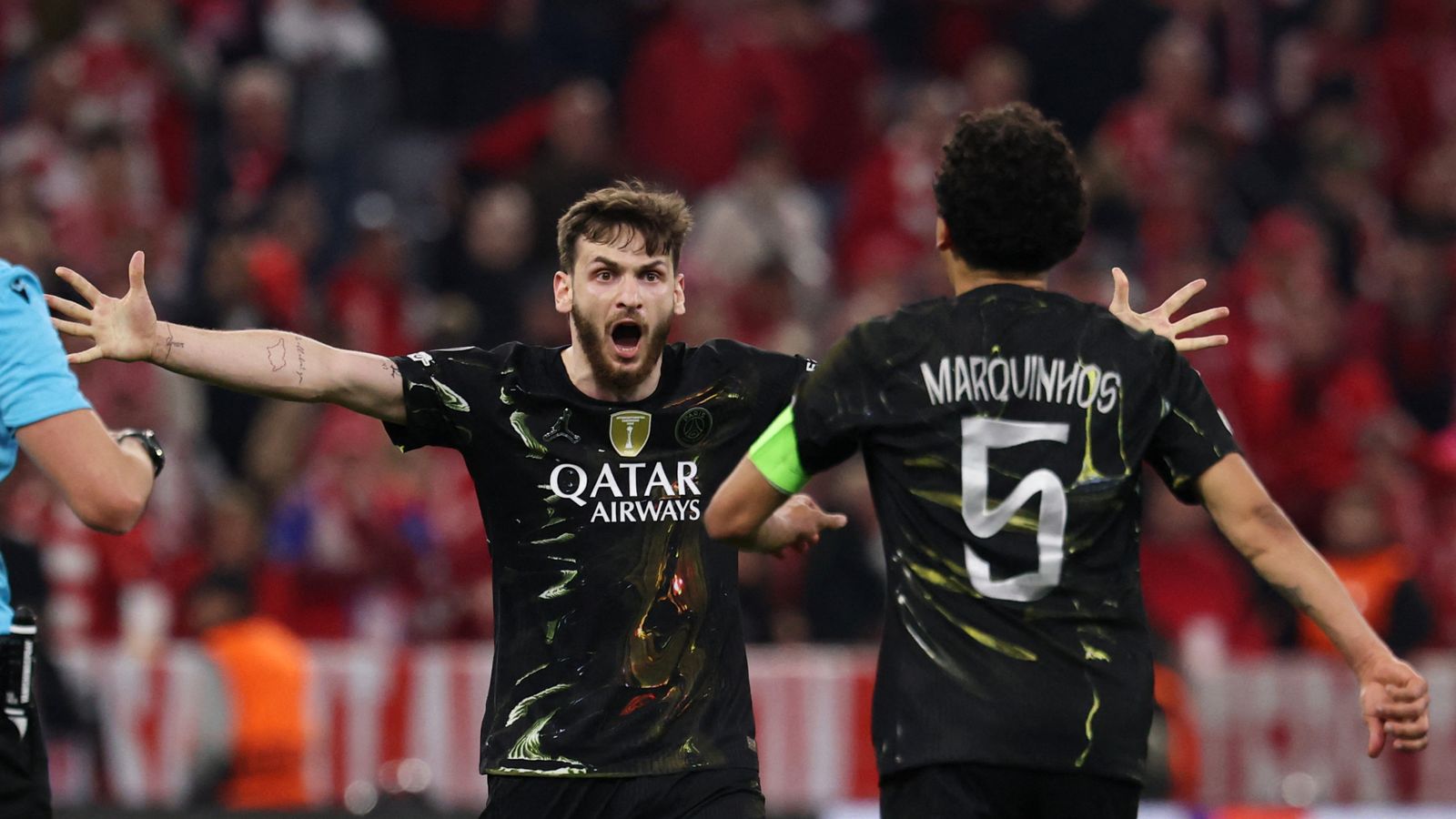
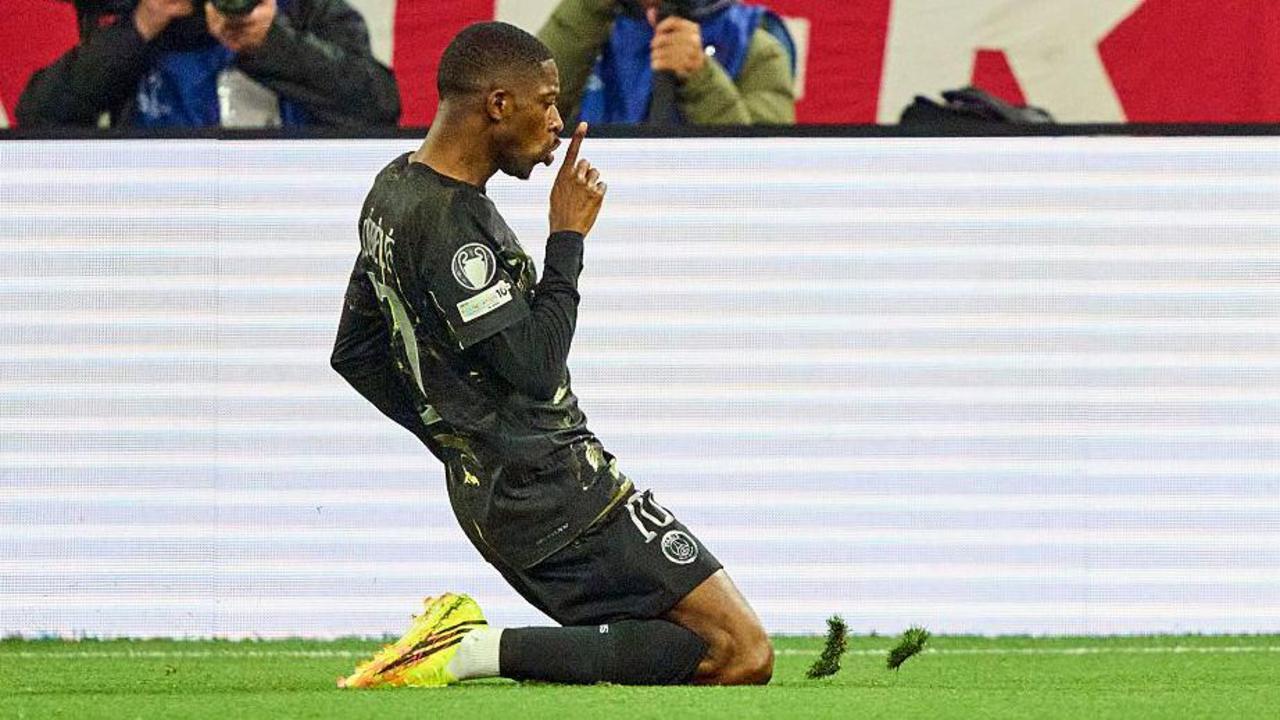
Paris Saint-Germain demonstrated their formidable strength in a commanding semi-final performance against Bayern Munich at the Allianz Arena. The French champions delivered a statement victory, dismantling the German giants in a display that echoed their previous successes. This decisive win propels them into the final with considerable momentum. The match saw PSG take an early lead through Ousmane Dembele, a familiar pattern from their previous encounters. Khvicha Kvaratskhelia, the Georgian talent, initiated the move with a swift run down the wing, setting up Dembele for a powerful finish past Manuel Neuer. While Harry Kane managed a late equaliser for Bayern on the night, it proved to be a mere consolation as PSG secured their passage to a second consecutive final. This performance has led many to believe PSG remain the benchmark in European football. Their ability to perform under pressure, particularly away from home in a stadium where they secured their last Champions League title, underscores their resilience and tactical acumen. The French side's near-faultless display against a potent Bayern attack, which had scored at least three goals in each of their preceding six games, was particularly noteworthy.
Luis Enrique's Cultural Revolution at PSG
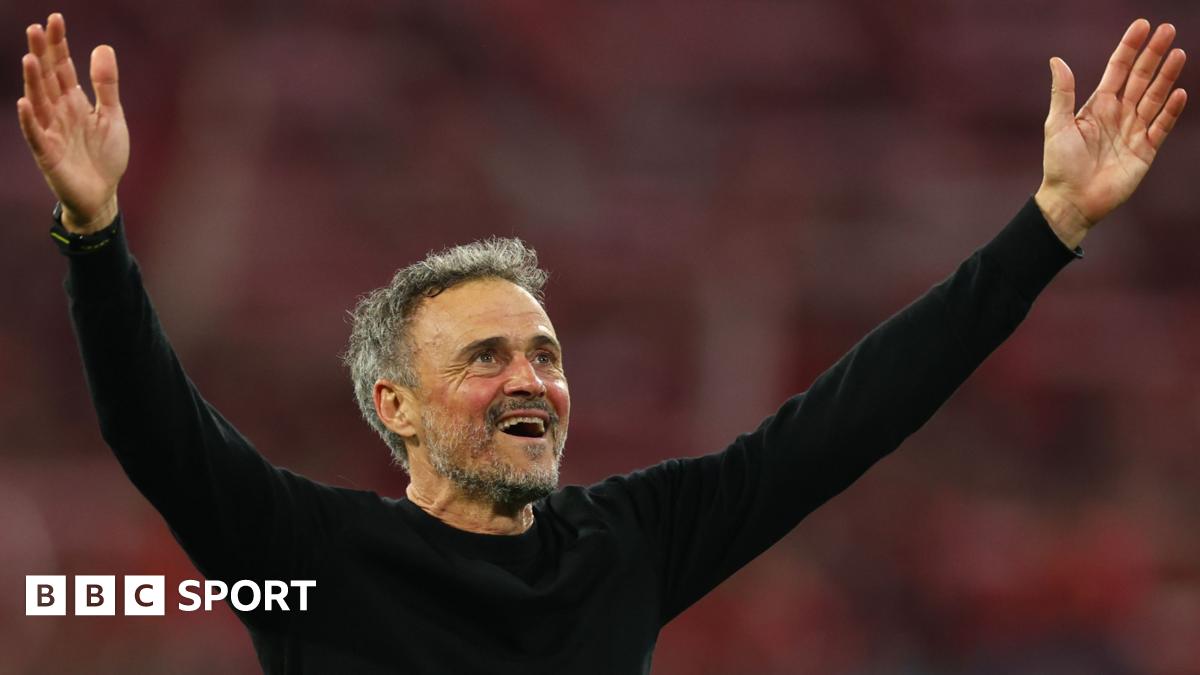
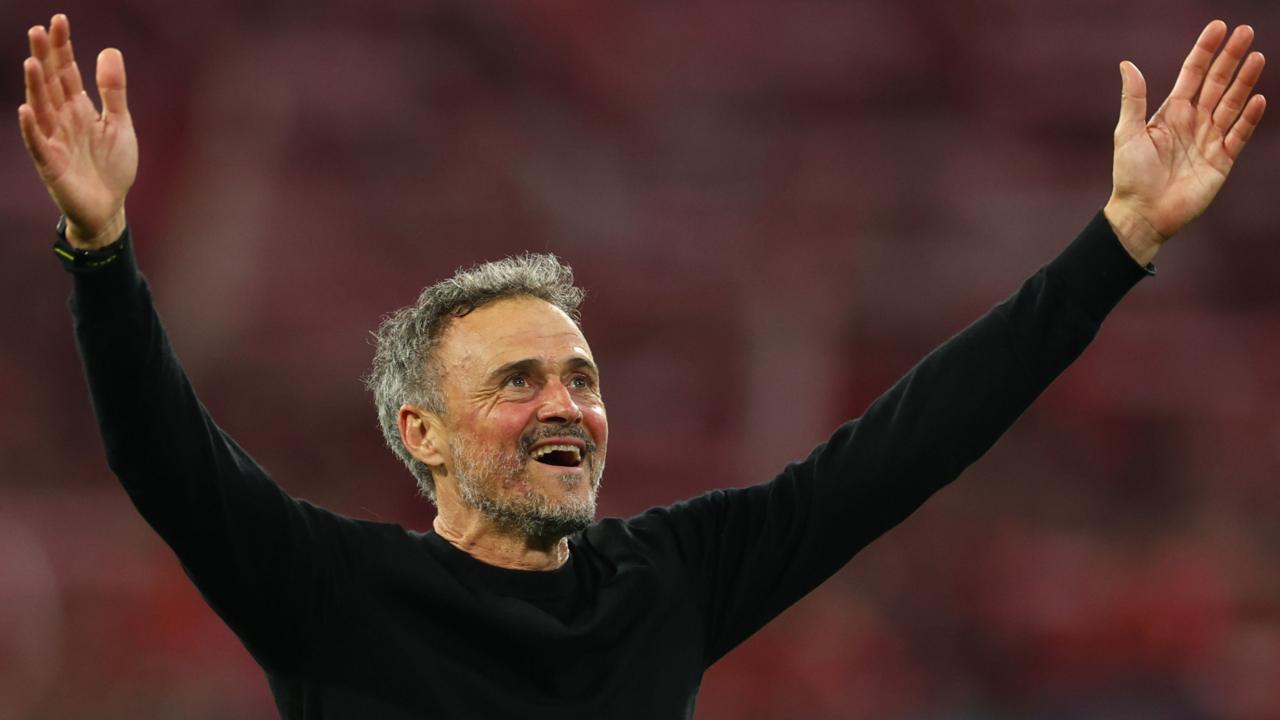
The architect of this new PSG is coach Luis Enrique, a figure renowned for his ability to rebuild team culture as well as playing squads. He has systematically transformed the club from a collection of star individuals into a cohesive unit driven by a shared purpose. This transformation is evident in their blend of individual brilliance and relentless work ethic. Enrique's philosophy mandates that egos be left at the door, a principle that has led to the departure of players unwilling to conform. In their place, a squad has emerged that combines exceptional individual skill with unwavering defensive solidity. This approach has fostered a formidable team that is now a "complete package," as described by observers. Key to this new structure are defenders like Marquinhos and Willian Pacho, who have formed a formidable partnership, effectively containing opposition threats. Players like Kvaratskhelia and Dembele provide the attacking flair, while emerging talents such as 20-year-old Desire Doue have added dynamism and creativity. Even players like Fabian Ruiz and Joao Neves contribute significantly through ball recovery and defensive duels, showcasing the depth and balance within the squad.
Arsenal's Path to the Final and the Challenge Ahead
Arsenal arrives at the Champions League final with a sense of anticipation and a significant historical milestone. This marks their first appearance in the final in two decades, a testament to their resurgence under manager Mikel Arteta. Their journey to Budapest has been one of resilience, including an epic performance against Atletico Madrid in the semi-finals. However, the Gunners now face a monumental task in overcoming the formidable Paris Saint-Germain. Manager Mikel Arteta must devise a strategy to counter Luis Enrique's tactical masterclass and PSG's potent blend of skill and grit. The memory of PSG's previous success against Arsenal in a semi-final encounter will undoubtedly weigh on their minds. Arteta's challenge lies in finding solutions to PSG's well-drilled defence and dynamic attack. The French side's ability to control matches, coupled with the individual brilliance of players like Dembele and Kvaratskhelia, presents a severe test. Arsenal will need to produce a performance of exceptional quality and tactical discipline to have a chance of lifting the trophy.
Tactical Nuances and Key Performers
The semi-final against Bayern Munich highlighted several key tactical adjustments and standout performances for PSG. With Achraf Hakimi absent, 20-year-old Warren Zaire-Emery was deployed at right-back, a role he adapted to with remarkable composure, finishing the match with PSG's highest pass accuracy rate. Nuno Mendes also displayed resilience, winning nine duels against Michael Olise. Vitinha showcased his creative capabilities, creating multiple chances, while Fabian Ruiz led the team in ball recoveries, demonstrating the midfield's balance between offensive and defensive contributions. Joao Neves's effectiveness in duels further bolstered the team's midfield strength. Kvaratskhelia, in particular, delivered a performance that cemented his status as one of the world's leading wingers. His ability to consistently threaten opposition defences, as seen in the build-up to Dembele's goal, will be a crucial factor for Arsenal to contain. The maturity displayed by the entire PSG squad in a high-pressure environment was a defining characteristic of their semi-final success.
The Stakes and What Lies Ahead
The 2026 Champions League final is more than just a match; it is a battle for supremacy and a chance to redefine legacies. For PSG, it's about solidifying their status as a dominant force and achieving the rare feat of defending their European crown. For Arsenal, it represents the culmination of a long journey and the opportunity to finally claim the ultimate prize in club football. The Puskás Aréna will witness a tactical chess match between two of Europe's most astute managers. Luis Enrique's proven ability to inspire and organise will be pitted against Mikel Arteta's innovative approach and Arsenal's hunger for success. The outcome will be decided by fine margins, tactical adjustments, and moments of individual brilliance. Beyond the immediate contest, the final will also serve as a benchmark for both clubs' future ambitions. A victory for PSG would further cement their era of dominance, while an Arsenal triumph would signal their arrival among Europe's elite. The world will be watching to see who emerges victorious from this compelling showdown.
The bottom line
- Paris Saint-Germain and Arsenal will contest the 2026 Champions League final on May 30 in Budapest.
- PSG, the defending champions, are aiming to become only the second club to retain the trophy in the Champions League era.
- Arsenal's appearance in the final marks their return to this stage after a 20-year absence.
- PSG's tactical transformation under coach Luis Enrique emphasizes team cohesion and defensive solidity alongside individual skill.
- The final will be held at the Puskás Aréna, a modern 67,000-seater stadium in Hungary's capital.
- Key PSG performers in their semi-final win against Bayern Munich included Ousmane Dembele and Khvicha Kvaratskhelia.




Doku's double rescues point for City but Arsenal seize control of Premier League title race
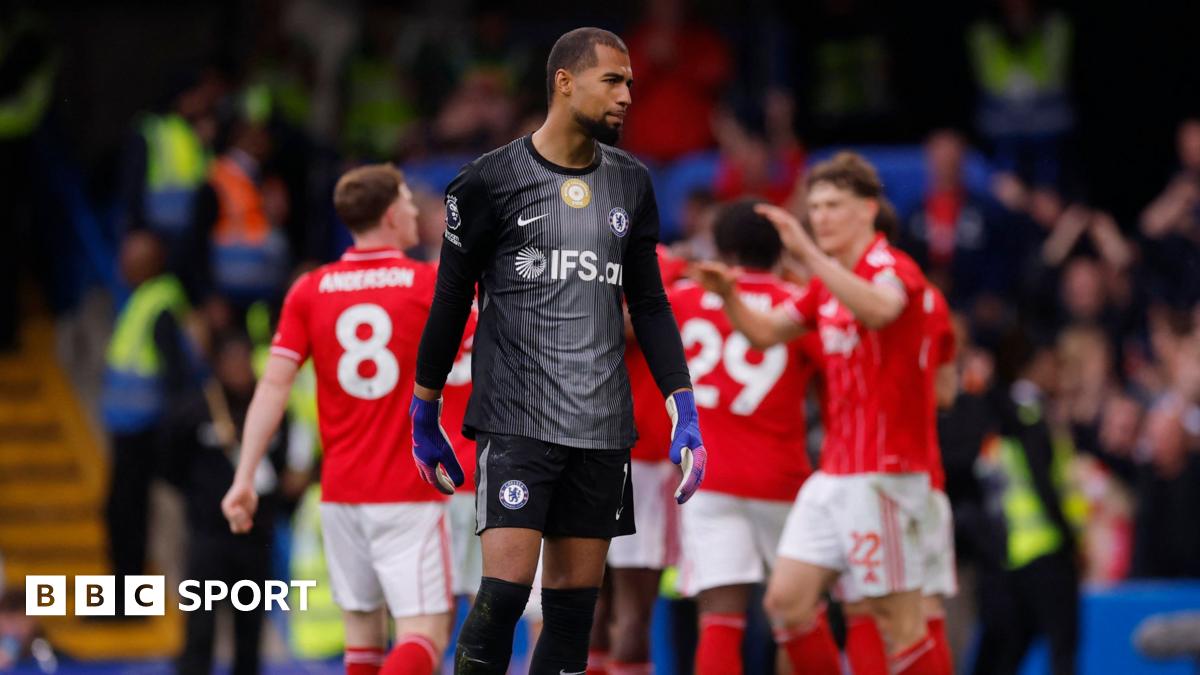
Nottingham Forest’s second-string stun Chelsea 3-1 at Stamford Bridge
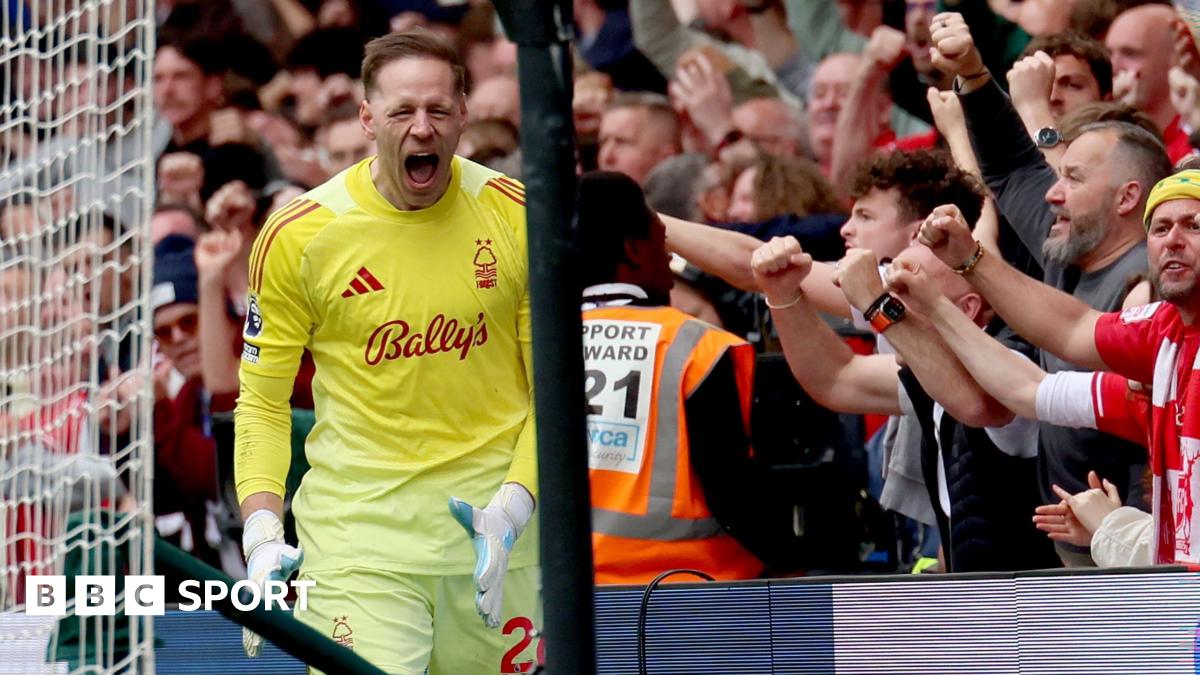
Jesse Derry handed first Chelsea start as injury crisis deepens ahead of Nottingham Forest clash
