Quebec taxi permit holders awarded $143M in class action over Uber deregulation
A Quebec Superior Court judge ruled the province's 2019 law that dismantled the taxi permit system amounted to 'disguised expropriation,' ordering compensation far below the $1.1 billion plaintiffs sought.
SOUTH AFRICA —
Key facts
- Justice Silvana Conte of the Quebec Superior Court ordered the government to pay over $219 million to former taxi permit holders on June 21, 2024.
- The class action was filed by Dama Metellus, a taxi owner and driver, on September 20, 2016.
- Bill 17, passed in 2019, abolished the taxi permit system and integrated app-based ride-hailing services like Uber into provincial regulations.
- The Quebec government had already paid more than $800 million in compensation to taxi drivers after the law passed.
- The plaintiffs argued compensation should be based on 2014 permit values, totaling about $308 million; the judge used 2016 values instead.
- The Quebec government appealed the 2024 ruling, seeking to avoid additional payments beyond the $800 million already distributed.
- The Quebec Court of Appeal heard the case on November 25, 2025; a decision is pending.
- The class action covers anyone who held a taxi owner's license in Quebec since October 28, 2013.
Landmark ruling finds Quebec's taxi deregulation was 'disguised expropriation'
A Quebec Superior Court judge has ordered the provincial government to pay more than $219 million in compensation to thousands of former taxi permit holders, ruling that the 2019 law dismantling the permit system amounted to a 'disguised expropriation.' The decision, rendered on June 21, 2024, by Justice Silvana Conte, marks a partial victory in a long-running class action that began nearly a decade ago. The lead plaintiff, Dama Metellus, a taxi owner and driver who filed the application to authorize the class action on September 20, 2016, argued that the government had effectively seized the value of taxi permits without fair compensation. The case centered on Bill 17, passed in 2019, which abolished the permit system and allowed app-based ride-hailing services like Uber to operate legally in the province.
From pilot project to full deregulation: the timeline of Uber's entry
The Quebec government launched a pilot project in 2016 that allowed Uber to operate, a move that taxi drivers argued triggered a sharp decline in permit values. Drivers had invested tens of thousands, often hundreds of thousands of dollars, to purchase permits that were previously a protected asset. The class action was authorized by Justice Mark G. Peacock on October 31, 2018, and later expanded to include all holders of taxi owner's licenses across Quebec, regardless of territory, on January 16, 2020. When Bill 17 became law in 2019, the government had already paid out more than $800 million in compensation to taxi drivers, but many considered that amount insufficient. Metellus's lawsuit sought an additional roughly $300 million, arguing that the total compensation should have been slightly more than $1.1 billion, based on the market value of permits in 2014 before Uber's arrival.
Judge sets compensation at 2016 values, rejecting higher 2014 benchmark
Justice Conte ultimately awarded a lower sum than the plaintiffs requested, basing compensation on the value of permits in 2016—the year the Uber pilot project began—rather than 2014. The decision valued the total compensation at over $219 million, a figure that includes interest and additional indemnity. The plaintiffs had argued that the 2014 value, representing approximately $308 million, was the correct benchmark, as it reflected the market before Uber's entry. In her ruling, Conte agreed with the plaintiffs' core claim that the 2019 law constituted a 'disguised expropriation,' but she determined that the decline in permit values was already underway by 2016. Metellus expressed satisfaction with the outcome, telling Radio-Canada: 'I always thought justice would ultimately prevail.'
Government appeals, seeking to avoid additional payments
The Quebec government has appealed Justice Conte's decision, asking the Court of Appeal to set aside the ruling and conclude that no further compensation is owed beyond the $800 million already distributed. In response, Metellus is asking the appellate court to increase the award to the 2014-based valuation of approximately $308 million, plus interest and additional indemnity. The hearing before the Quebec Court of Appeal took place on Tuesday, November 25, 2025. A judgment is now pending. The outcome will determine whether the class action, which covers anyone who held a taxi owner's license in Quebec since October 28, 2013, results in additional payouts or ends with the government's existing compensation program.
Broader context: taxi industry upheaval across Canada
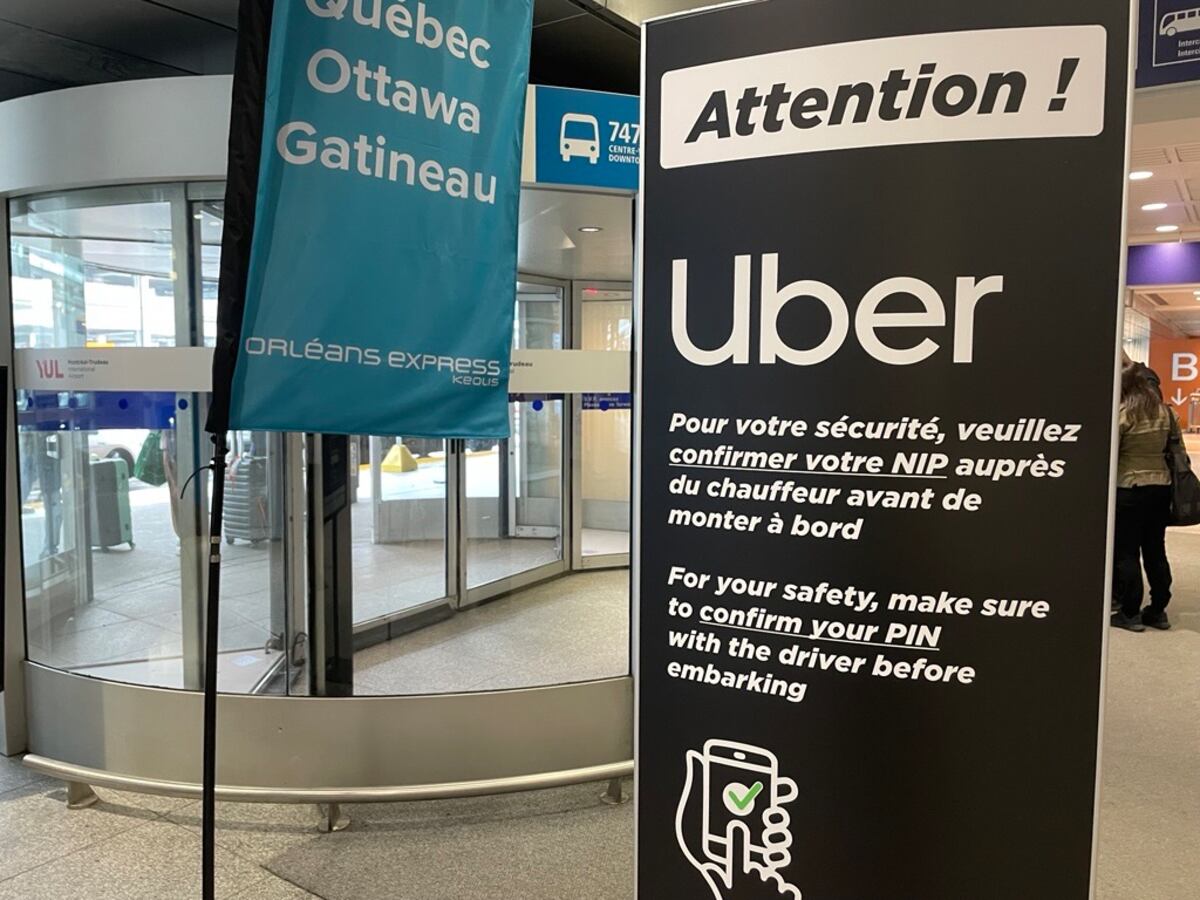
The Quebec case is part of a wider pattern of legal battles between taxi permit holders and governments across Canada as ride-hailing services disrupted the industry. In Montreal, reports of illegal taxis and unauthorized drivers infiltrating Uber pick-up zones at Trudeau airport have added to tensions. The class action in Quebec is one of the largest and most advanced, with a clear timeline from the 2016 pilot project to the 2019 law and the 2024 ruling. The case has also drawn attention to the financial losses suffered by taxi drivers, many of whom took on significant debt to purchase permits. The Quebec government's compensation program, while substantial, was widely seen as inadequate by drivers who had expected their permits to retain value as a retirement asset or income source.
What comes next: appeal decision and potential impact on other claims
The Quebec Court of Appeal's decision will set a precedent for how governments compensate permit holders when regulatory changes devalue their assets. If the appeal upholds Conte's ruling, the government will be required to pay the $219 million, plus interest. If Metellus succeeds in his cross-appeal, the total could rise to $308 million. A complete victory for the government would leave the existing $800 million compensation as the final amount. The case has also spurred a separate class action, Jean-Paul v. Uber Technologies Inc., focusing on loss of income for taxi drivers. For now, the taxi permit holders in Quebec wait for the appellate judgment, which could arrive in 2026. The outcome will reverberate beyond Quebec, as other provinces grapple with similar disputes between legacy taxi industries and app-based competitors.
The bottom line
- Quebec Superior Court ruled that Bill 17 (2019) amounted to 'disguised expropriation' of taxi permit holders.
- Justice Silvana Conte awarded over $219 million in compensation, based on 2016 permit values, not the 2014 values sought by plaintiffs.
- The Quebec government has appealed, arguing no further payments are needed beyond the $800 million already distributed.
- Lead plaintiff Dama Metellus is cross-appealing for compensation based on 2014 values, totaling about $308 million.
- The Quebec Court of Appeal heard the case on November 25, 2025; a decision is pending.
- The class action covers any taxi owner's license holder in Quebec since October 28, 2013.






Diesel Prices Surge Past $5 a Gallon as Iran War Disrupts Global Oil Supply

Messi's Brace History Looms as Orlando City Seek First Win at Chase Stadium

R129 Million in Jackpots Await as PowerBall and PowerBall Plus Drawn on Tuesday
