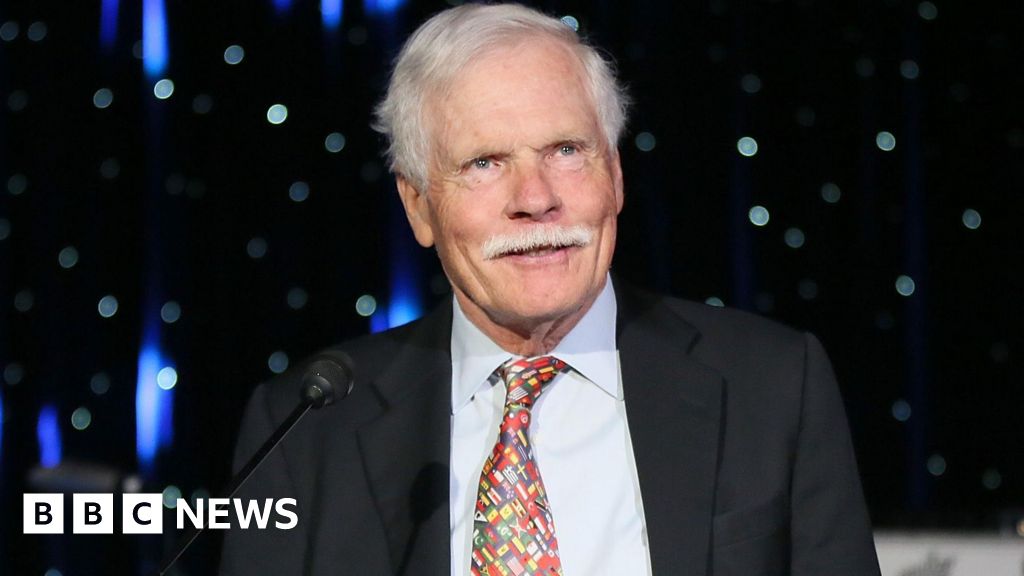
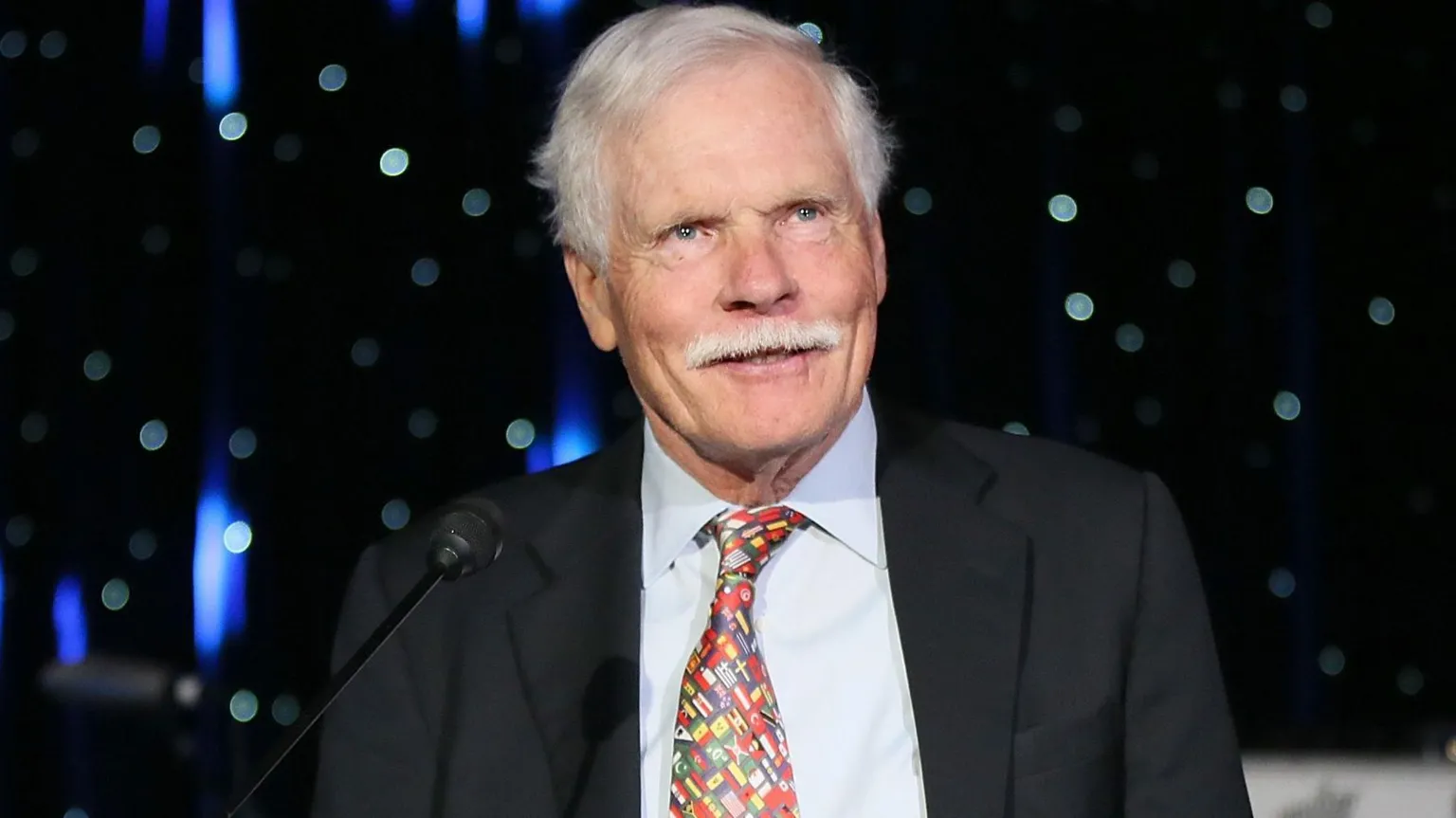
Ted Turner, Founder of CNN and Media Pioneer, Dies at 87
The visionary broadcaster revolutionized television news and became a significant philanthropist, leaving an indelible mark on global media and humanitarian efforts.

SOUTH AFRICA —
Key facts
- Ted Turner, founder of CNN, died at the age of 87.
- He launched CNN, the first 24-hour cable news channel, in 1980.
- Turner donated $1 billion to establish the United Nations Foundation in 1998.
- He also founded the Nuclear Threat Initiative, a global security organization.
- Turner Broadcasting System was sold to Time Warner Inc. in the 1990s.
- He announced his diagnosis of Lewy body dementia in 2018.
- Turner is survived by five children, 14 grandchildren, and two great-grandchildren.
A Titan of Television News Passes Away
Ted Turner, the audacious media mogul who fundamentally reshaped television news with the creation of CNN, has died at the age of 87. His passing was confirmed by his family and announced by CNN on Wednesday, marking the end of an era for a figure who was as much a visionary broadcaster as he was a prolific philanthropist. Turner's legacy is inextricably linked to CNN, a groundbreaking venture that transformed how the world consumed news. He not only pioneered the 24-hour rolling news format but also established a global platform that brought historical events directly into living rooms across continents. His influence extended far beyond the television screen. Turner was a significant force in philanthropy, dedicating substantial resources and personal commitment to global causes, most notably through his founding of the United Nations Foundation and the Nuclear Threat Initiative.
The Birth of the 24-Hour News Cycle
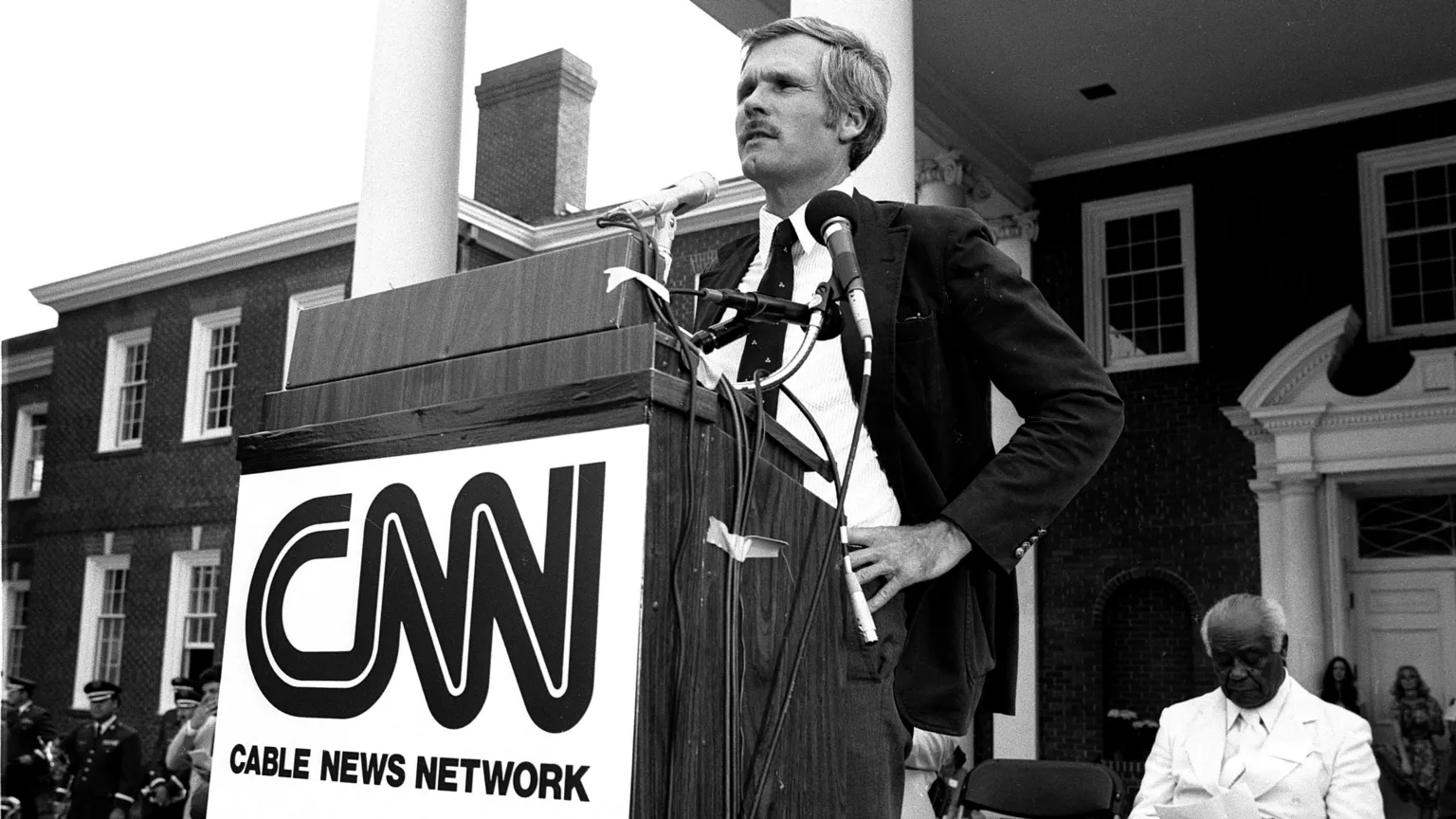
In 1980, Turner launched Cable News Network (CNN) from Atlanta, Georgia, a bold move that defied skepticism and the mocking nickname "Chicken Noodle Network." The channel’s innovative approach provided continuous coverage of breaking stories, proving its mettle during pivotal moments such as the assassination attempt on President Ronald Reagan in 1981 and the Challenger space shuttle disaster in 1986. CNN's global reach and real-time reporting came into sharp focus during the 1990-1991 Gulf War, offering unprecedented live coverage from Iraq. This demonstrated the network's power to shape public perception and inform global events, a capability that even drew praise from President George Bush, who famously stated he learned more from CNN than the CIA. The success of CNN spurred a new model for news delivery, influencing competitors and leading to the launch of networks like Fox News by Turner's rival Rupert Murdoch in 1996. Turner's initial foray into media began with his father's billboard company, which he took over after his father's suicide, before acquiring a radio station that eventually formed the nucleus of his media empire.
A Legacy of Philanthropy and Global Vision
Beyond his media empire, Ted Turner was a dedicated philanthropist, driven by a conviction that major global challenges required concerted action. In 1998, he founded the United Nations Foundation, a pivotal initiative aimed at demonstrating the value of investing in the UN and encouraging broader partnerships. His commitment to the foundation was underscored by a landmark donation of $1 billion, a sum that underscored his belief in the UN's indispensable role in addressing humanity's greatest challenges and fostering global progress. According to the foundation, Turner's goals were to encourage new partners and promote strong U.S. leadership at the United Nations. Turner also established the Nuclear Threat Initiative, a non-profit organization focused on reducing the dangers posed by nuclear, biological, and emerging technological threats to humanity. This organization reflects his broader concern for global security and the well-being of future generations.
Recognition and Personal Life
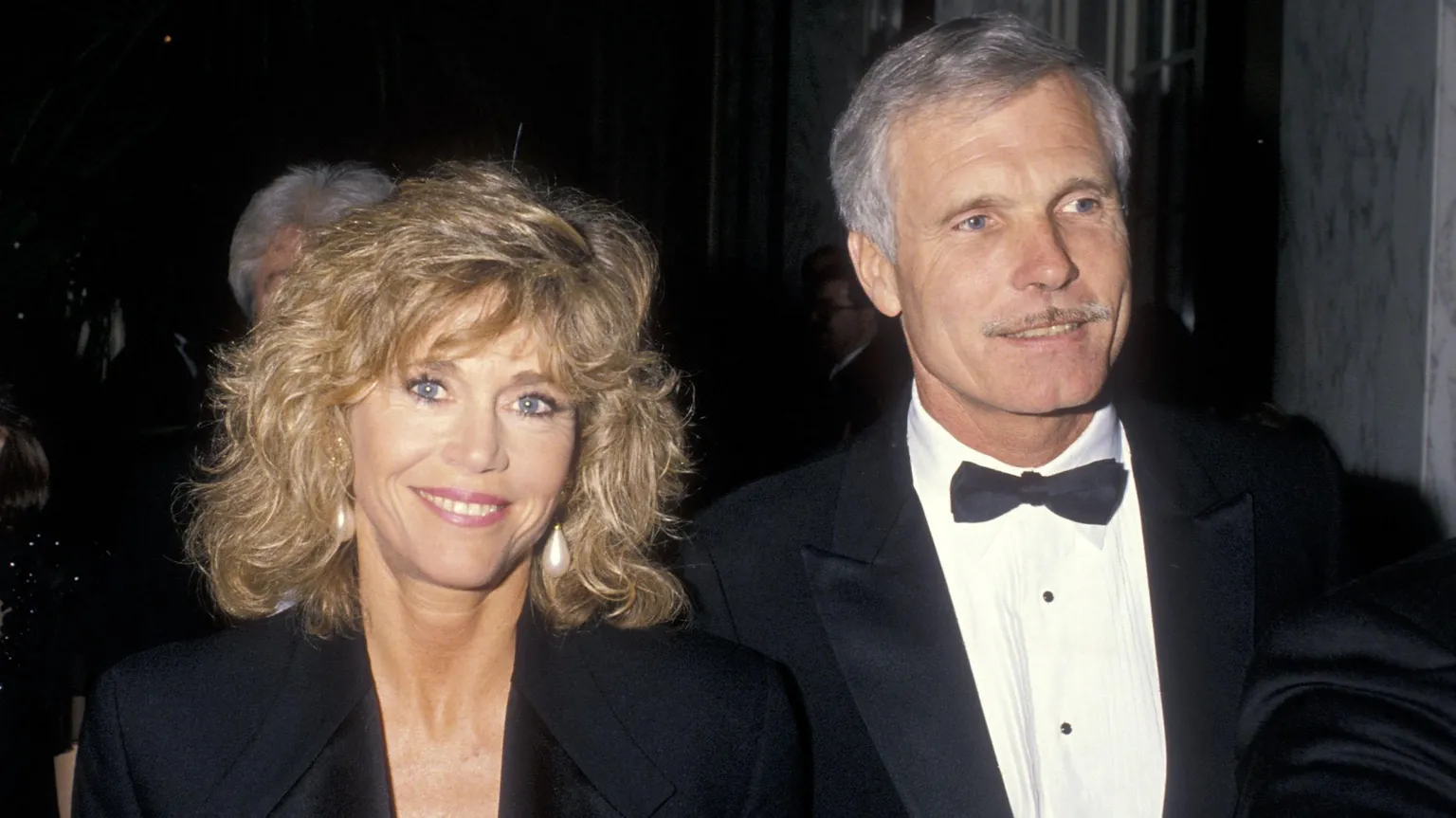
Turner's profound impact on the world was recognized in 1991 when Time magazine named him "Man of the Year" for his role in "influencing the dynamic of events and turning viewers in 150 countries into instant witnesses of history." His business acumen led him to sell his media company, Turner Broadcasting System, to Time Warner Inc. in the 1990s. In his personal life, Turner was married three times, including a notable marriage to Oscar-winning actress Jane Fonda, which concluded in divorce in 2001. In 2018, he publicly shared that he had been diagnosed with Lewy body dementia, a progressive neurological disorder. Turner was briefly hospitalized in 2025 for a mild case of pneumonia. He is survived by his five children, 14 grandchildren, and two great-grandchildren, who carry forward his extensive family legacy.
Tributes from Leaders and Colleagues
Tributes poured in following the news of Turner's death. Mark Thompson, the chair and CEO of CNN Worldwide, hailed Turner as "an intensely involved and committed leader, intrepid, fearless, and always willing to back a hunch and trust his own judgment." Thompson added, "He was and always will be the presiding spirit of CNN." He described Turner as "the giant on whose shoulders we stand." U.S. President Donald Trump, despite his criticisms of the current CNN, paid tribute to Turner, calling him "one of the greats of broadcast history, and a friend of mine." Trump recalled Turner's willingness to "always willing to fight for a good cause!" even when Trump himself needed support. These sentiments reflect a broader recognition of Turner's complex and impactful career, acknowledging both his revolutionary contributions to media and his personal willingness to engage in causes he believed in, even amidst public scrutiny.
The bottom line
- Ted Turner, the founder of CNN and a pioneer of 24-hour news, has died at 87.
- He revolutionized television news with the launch of CNN in 1980, setting a new standard for global information dissemination.
- Turner was a significant philanthropist, founding the United Nations Foundation with a $1 billion donation.
- His work extended to global security through the establishment of the Nuclear Threat Initiative.
- He was recognized as Time magazine's Man of the Year in 1991 for his influence on global events.
- Turner's legacy includes not only his media innovations but also his substantial contributions to humanitarian and security efforts worldwide.


South Africa's Daily Lotto: A Daily Draw with No Rollover and Odds of 1 in 8.40

Diesel Prices Surge Past $5 a Gallon as Iran War Disrupts Global Oil Supply

De Zerbi's Tottenham Outclass Aston Villa to Climb Out of Relegation Zone