Trump Signals Shift on Iran Deal as Hopes for War's End Flicker
President Trump's mixed signals on a potential agreement with Tehran leave peace prospects uncertain.
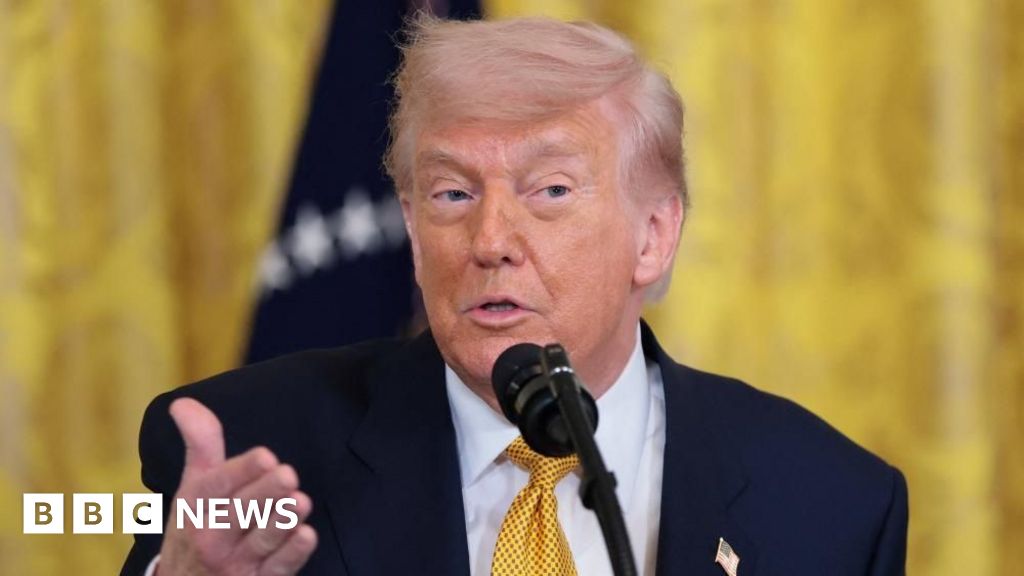
SOUTH AFRICA —
Key facts
- Donald Trump announced a pause on 'Project Freedom' to guide ships through the Strait of Hormuz.
- Iran stated it was reviewing a new proposal from Washington on Wednesday.
- Unnamed US officials cited by US media suggested a one-page memorandum to end the war was nearing finalization.
- Secretary of State Marco Rubio had declared 'Operation Epic Fury' over less than 24 hours prior.
- President Trump later described an Iran deal as a 'big assumption' and threatened renewed bombing.
- Iranian parliamentarian 14 points a US 'wish list'.
- Trump indicated it was 'unlikely' he would send US envoys for a second round of talks in Islamabad.
A Fleeting Hope for Peace in the Gulf
Signs of a potential breakthrough in the protracted conflict between the United States and Iran emerged briefly this week, sparking optimism for an end to hostilities. President Donald Trump announced on Tuesday evening that he was suspending 'Project Freedom,' an initiative aimed at guiding ships through the critical Strait of Hormuz, citing progress towards a 'Complete and Final Agreement' with Tehran. This move, coupled with reports of nearing a resolution, initially soothed volatile oil markets and raised hopes for a significant de-escalation. However, the president's own pronouncements soon injected a note of sharp caution, casting a shadow over the nascent peace efforts. Iran confirmed on Wednesday that it was reviewing a new proposal from Washington, a development that followed reports in US media, attributed to unnamed American officials, suggesting that both sides were on the verge of finalizing a concise, one-page memorandum intended to conclude the war in the Gulf. This delicate diplomatic dance unfolded against a backdrop of recent military action. Just hours before President Trump's initial announcement, US Secretary of State Marco Rubio had declared 'Operation Epic Fury,' the American-led military strikes against Iran, to be over. The swift reversal in tone from the White House underscored the precarious nature of the negotiations.
Conflicting Signals Emerge from Washington
The initial optimism generated by President Trump's announcement on Tuesday evening proved short-lived. By Wednesday morning, the president himself had significantly tempered expectations, describing a potential deal with Iran as a 'big assumption.' He issued a stark warning: if an agreement was not reached, military action would resume at 'a much higher level and intensity than it was before.' This abrupt shift in rhetoric came as a surprise, particularly given the preceding day's developments. While speaking briefly to PBS on Wednesday morning, Trump did express some optimism about an Iran deal, acknowledging its past elusiveness. Yet, he also indicated that a second round of peace talks, which had been anticipated to take place in the Pakistani capital of Islamabad, was now 'unlikely' to involve US envoys. The conflicting messages from the US leadership created an atmosphere of uncertainty, leaving observers to question the true state of progress in the negotiations and the underlying strategy guiding the administration's approach.
The Proposed Memorandum and Iranian Skepticism
Reports from Axios and Reuters had detailed the potential framework for an agreement, suggesting that Washington and Tehran were close to finalizing a 14-point memorandum. This document was reportedly designed to bring an immediate end to hostilities. Following this cessation of conflict, further discussions were slated to address the unblocking of the Strait of Hormuz, the lifting of sanctions imposed on Iran, and measures to curb its nuclear ambitions. However, even within the US, a degree of skepticism reportedly permeated some official circles regarding the feasibility of such an agreement. Questions were raised about the internal consensus within Iran's leadership and who would ultimately have the authority to approve such a pact. This internal doubt was mirrored by outward skepticism from Tehran. Iranian parliamentarian Ebrahim Rezaei, who serves as a spokesperson for Iran's National Security and Foreign Policy Commission, publicly characterized the reported 14 points as merely a US 'wish list' on the social media platform X. He asserted that Iran remained prepared to act, stating, 'We have our finger on the trigger and are ready' should the Americans fail to 'grant the necessary concessions.'
Mediators' Cautious Optimism and the Path Forward
Despite the public pronouncements and evident disagreements, a source close to the mediators involved in the process conveyed a sense of imminent resolution to Reuters news agency. 'We will close this very soon,' the source stated, offering a glimmer of hope that behind the scenes, progress was indeed being made. The proposed memorandum, if finalized, represents a significant attempt to de-escalate a conflict that has destabilized a vital global trade route and threatened wider regional security. The plan's structure, aiming for an immediate halt to fighting before tackling complex issues like sanctions and nuclear proliferation, suggests a pragmatic approach to achieving tangible results. Yet, the ultimate success of these efforts hinges on navigating the deep-seated mistrust and divergent interests between Washington and Tehran. The coming days will be critical in determining whether the tentative steps toward peace can overcome the entrenched positions and the volatile political dynamics at play.
Stakes Remain High for Global Stability
The ongoing tensions in the Strait of Hormuz have profound implications for the global economy, given its crucial role in transporting oil. Any sustained conflict or uncertainty in the region directly impacts energy prices and supply chains worldwide. Therefore, a definitive resolution to the current hostilities carries significant weight for international economic stability. Furthermore, the broader geopolitical landscape is shaped by the US-Iran relationship. The outcome of these negotiations could influence regional power dynamics, alliances, and the effectiveness of international diplomatic efforts in addressing complex security challenges, including nuclear proliferation. The potential lifting of sanctions, as outlined in the reported memorandum, could also have a substantial impact on Iran's economy, potentially opening new avenues for trade and investment, while simultaneously requiring rigorous verification of its compliance with international agreements.
The bottom line
- President Trump's 'Project Freedom' pause on Strait of Hormuz operations signaled potential progress toward a US-Iran agreement.
- Conflicting statements from President Trump later introduced doubt, threatening renewed military action if a deal fails.
- A reported one-page, 14-point memorandum aims to end hostilities, followed by talks on sanctions and Iran's nuclear program.
- US proposal as a 'wish list' and insists on concessions.
- US officials reportedly harbor skepticism about the deal's approval within Iran's leadership.
- Mediators express cautious optimism, but the final outcome remains uncertain amid deep-seated disagreements.

Western Cape braces for severe weather as SAWS warns of heavy rain, cold and wind
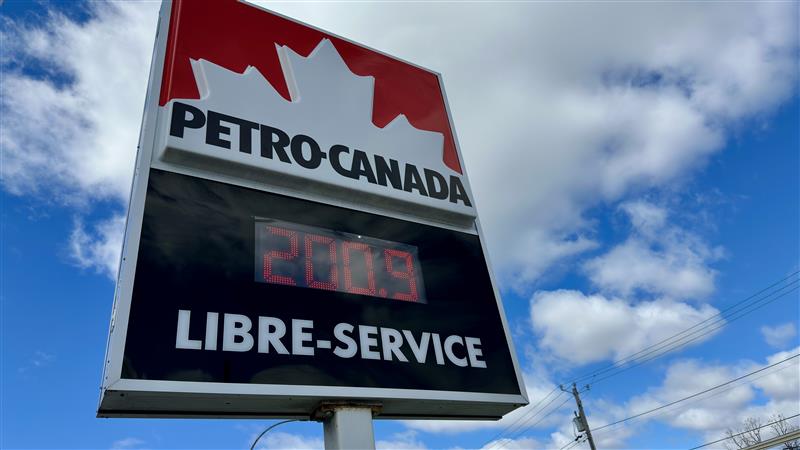
Global Fuel Prices Surge Past $2 in Montreal and $4.30 in US as Iran War Disrupts Supply

IMD Issues Red Alert for Delhi as Severe Thunderstorms and Hailstorms Loom
