Verstappen Dismisses F1 2026 Rule Changes as 'a Tickle' as Drivers Voice Concerns
The reigning champion's blunt appraisal joins a chorus of criticism from drivers including Lance Stroll, who called the new regulations 'fundamentally just so flawed.'
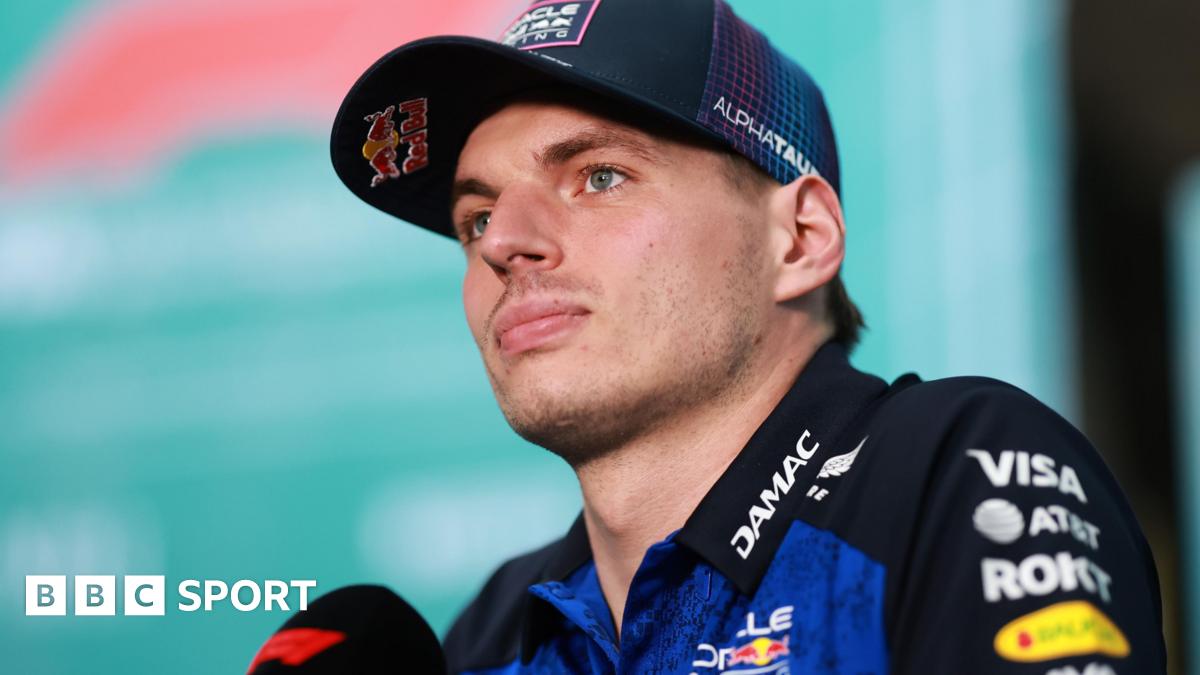
SOUTH AFRICA —
Key facts
- Max Verstappen called the F1 2026 rule changes 'a tickle' in addressing driver concerns.
- The new engines will have a near 50-50 split between internal combustion and electrical power.
- Lance Stroll said the new rules are 'fundamentally just so flawed' and not producing 'proper F1 cars.'
- FIA president Mohammed Ben Sulayem previously pushed for a return to V8 or V10 naturally aspirated engines.
- Mercedes driver suggested a return to V8 engines with sustainable fuel would be 'pretty cool.'
- Changes to reduce speed differentials caused by electrical deployment cannot happen before next year due to reliability issues.
- Any engine rule change requires agreement from four of five engine companies, the FIA, and F1.
- The Miami Grand Prix weekend begins Friday with practice and Sprint Qualifying.
A Blunt Verdict from the Champion
Max Verstappen has delivered a scathing assessment of Formula 1's proposed 2026 rule changes, describing them as merely 'a tickle' in response to driver concerns about the sport's new racing style. The Red Bull driver's comments came as the grid prepares for the Miami Grand Prix this weekend, where the future direction of the sport is a dominant topic. Verstappen's appraisal reflects growing unease among drivers about regulations that will introduce a near 50-50 split between internal combustion and electrical power. The champion's remarks carry particular weight given his status as the sport's dominant force and his ongoing deliberations about his long-term future in F1.
Drivers Unite in Criticism
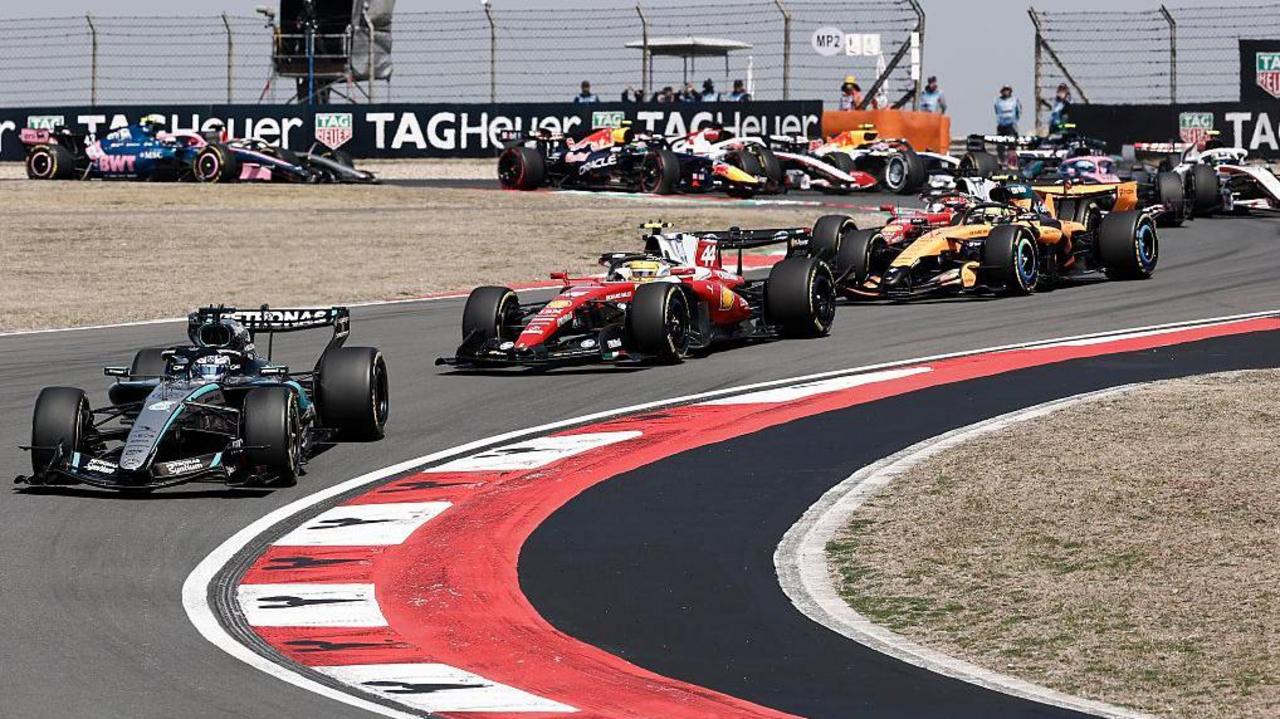
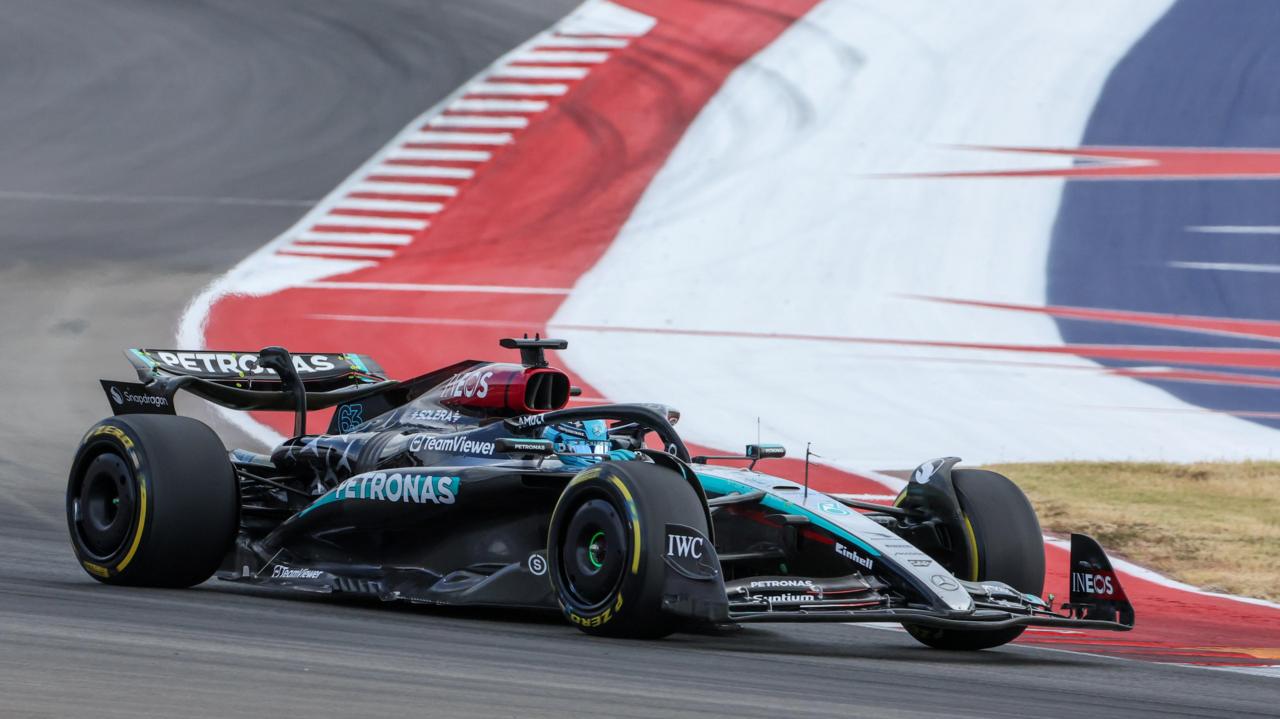
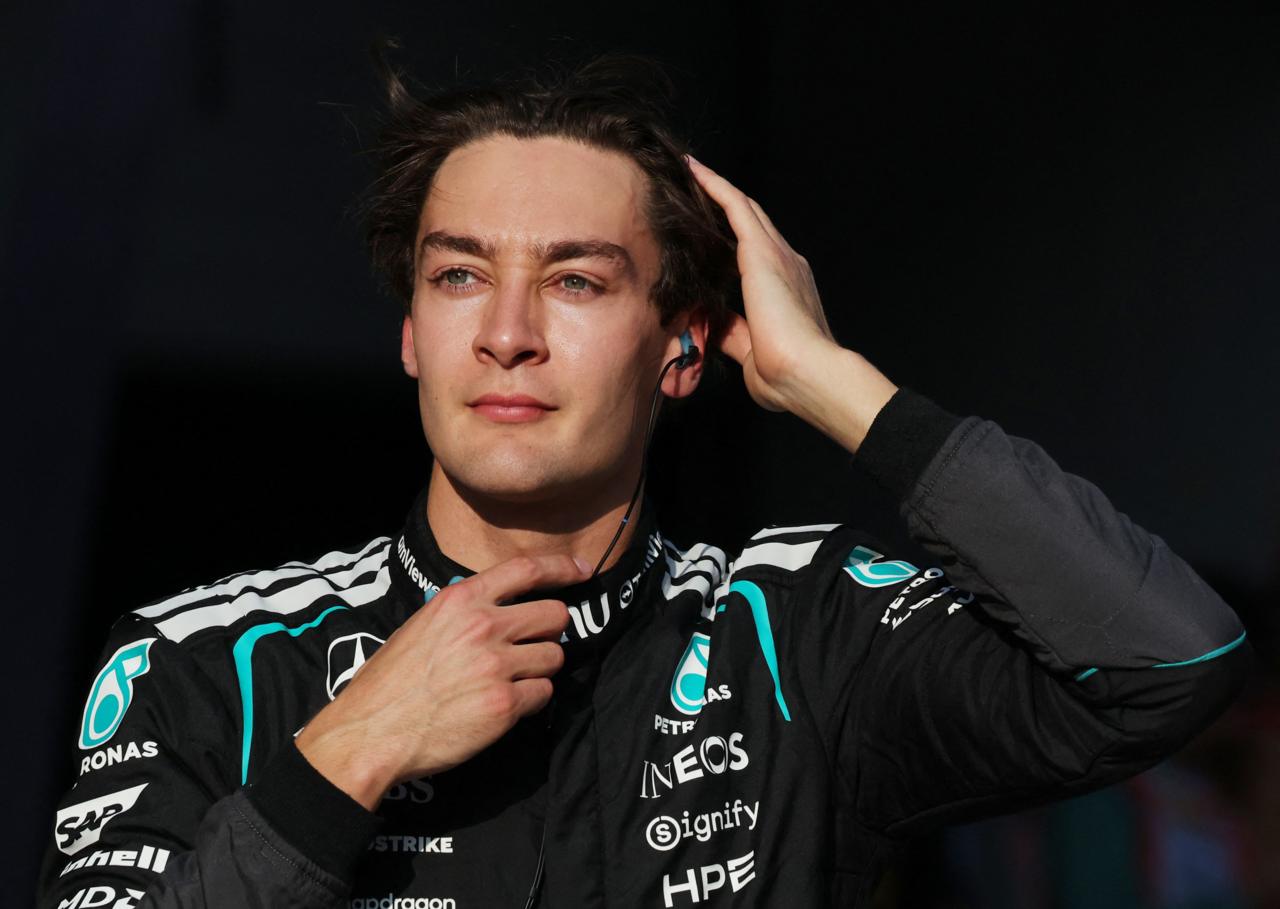
Aston Martin's Lance Stroll went further, calling the new rules 'fundamentally just so flawed' and arguing that the cars are 'still far away from proper F1 cars.' He lamented that drivers are forced to think about battery management rather than pushing flat-out. The Mercedes driver, while not named in the sources, also weighed in, noting that there is 'a lot of talk about going back to a V8.' He expressed enthusiasm for sustainable fuel technology, calling it 'a fantastic one' and suggesting that a return to V8 engines with such fuel would be 'great for Formula 1.'
Technical Hurdles and Power Split Challenges
The 2026 power units will require significant energy management due to the balanced split between combustion and electrical power. A key concern is the speed differential that arises when one car deploys its full 350kW (470bhp) of electrical power while another is charging its battery and deploying none. Efforts to mitigate this issue cannot be implemented before next year because of reliability implications with current engines. Any change requires approval from four of the five engine manufacturers, as well as the FIA and F1 itself, adding layers of complexity to the process.
FIA President's Alternative Vision
Two years ago, FIA president Mohammed Ben Sulayem pushed for a return to V8 or V10 naturally aspirated engines, and he is known to still be keen on the idea. This stance contrasts with the current regulatory direction, which emphasizes hybrid technology and sustainable fuels. The debate echoes the 'glory days' of Formula 1 in the early 2000s, when naturally aspirated engines produced what many consider the coolest cars the sport has ever seen. The tension between nostalgia and innovation remains a central theme in the rule-making process.
Verstappen's Future and Team Dynamics
Amid the technical discussions, Verstappen also addressed his F1 future and whether the departure of his race engineer Gianpiero Lambiase would influence his decisions. While the champion did not provide a definitive answer, his comments suggest that team stability and competitive performance remain key factors. The Miami Grand Prix weekend begins Friday with practice at 5pm and Sprint Qualifying at 9:30pm, offering a temporary reprieve from the regulatory debate. Live coverage is available on BBC Radio 5 Live and BBC Radio 5 Sports Extra, with text updates on the BBC Sport website and app.
A Sport at a Crossroads
The 2026 rule changes represent a pivotal moment for Formula 1, balancing the push for sustainability with the desire to maintain thrilling racing. The near-equal split between combustion and electrical power marks a significant shift, but driver feedback indicates that the current proposals may not deliver the spectacle fans expect. With multiple stakeholders—engine manufacturers, the FIA, F1 management, and teams—required to agree on any modifications, the path forward is fraught with negotiation. The Miami Grand Prix may provide a brief focus on track action, but the underlying debate over the sport's DNA is far from settled.
The bottom line
- Max Verstappen dismissed the 2026 rule changes as insufficient, calling them 'a tickle' for driver concerns.
- Lance Stroll labeled the new regulations 'fundamentally just so flawed,' citing a lack of 'proper F1 cars.'
- The new engines will have a near 50-50 split between internal combustion and electrical power, requiring significant energy management.
- Changes to address speed differentials from electrical deployment are delayed until at least next year due to reliability and approval requirements.
- FIA president Mohammed Ben Sulayem continues to favor a return to V8 or V10 naturally aspirated engines.
- The Miami Grand Prix weekend begins Friday with practice and Sprint Qualifying, offering a temporary focus on racing.

Digne's costly handball gifts Forest 1-0 win over Aston Villa in Europa League semi-final first leg
RCB vs GT: Pace Attack Takes Center Stage in High-Stakes IPL Clash
Rajasthan Royals Post 225, Delhi Capitals Chase in Jaipur Thriller