Volkswagen ID. Polo Launches at €24,995, Bringing Electric Mobility to the Masses
The seventh-generation Polo, now fully electric, offers up to 454 km range and starts at under €25,000 in Germany, with pre-sales opening today.
SOUTH AFRICA —
Key facts
- Volkswagen ID. Polo pre-sales begin April 29, 2026 in Germany.
- Entry-level price: €24,995 in Germany.
- WLTP range up to 454 km (155 kW version with 52 kWh NMC battery).
- Three output levels: 85 kW, 99 kW, 155 kW.
- Two battery options: 37 kWh LFP (329 km range) and 52 kWh NMC (454 km range).
- DC fast charging: 10-80% in ~23 minutes (LFP) or ~24 minutes (NMC).
- Luggage capacity: 441 litres (25% increase over combustion Polo).
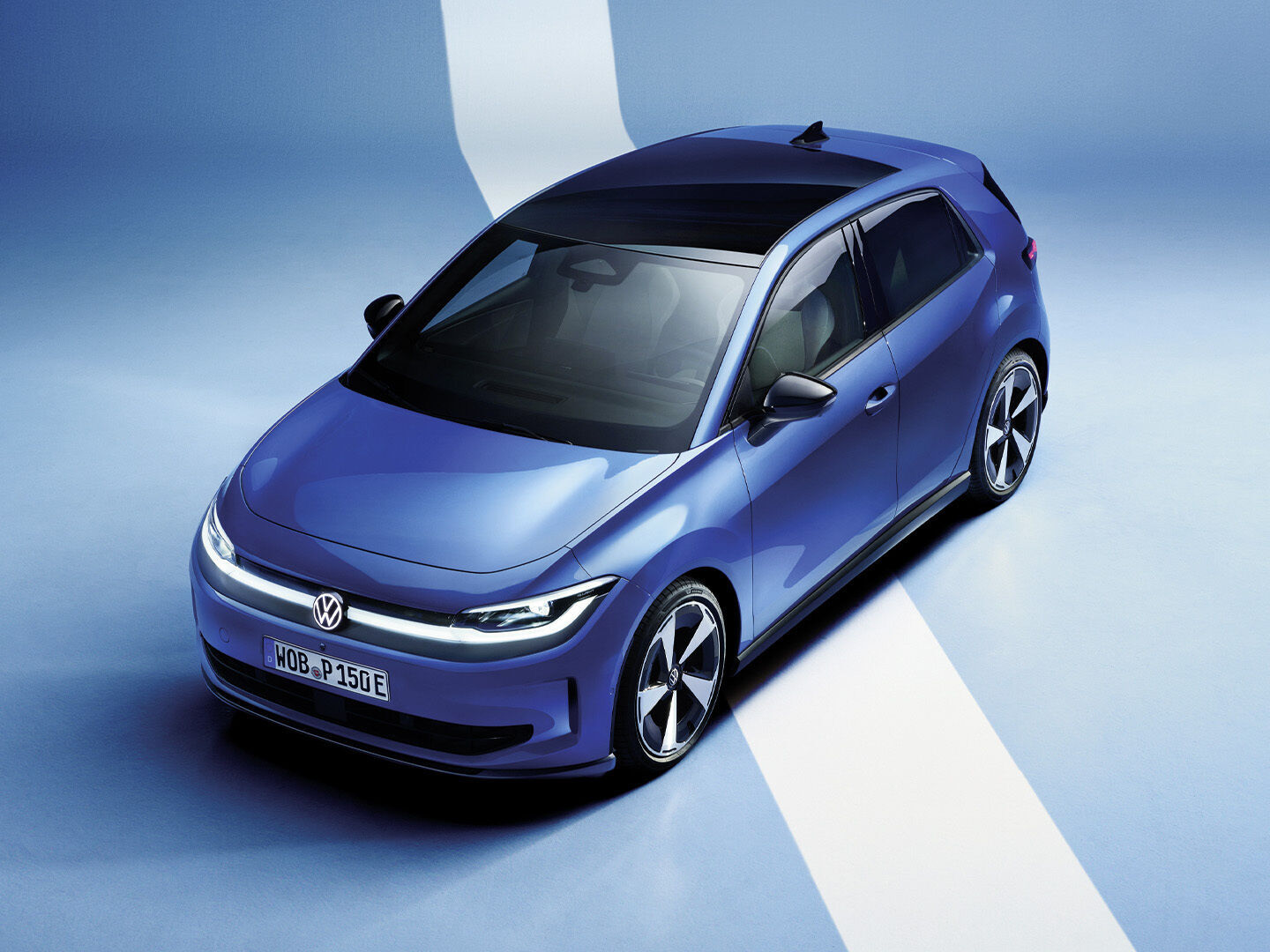
- First production model with Volkswagen's new Pure Positive design language.
A New Chapter for a Bestseller
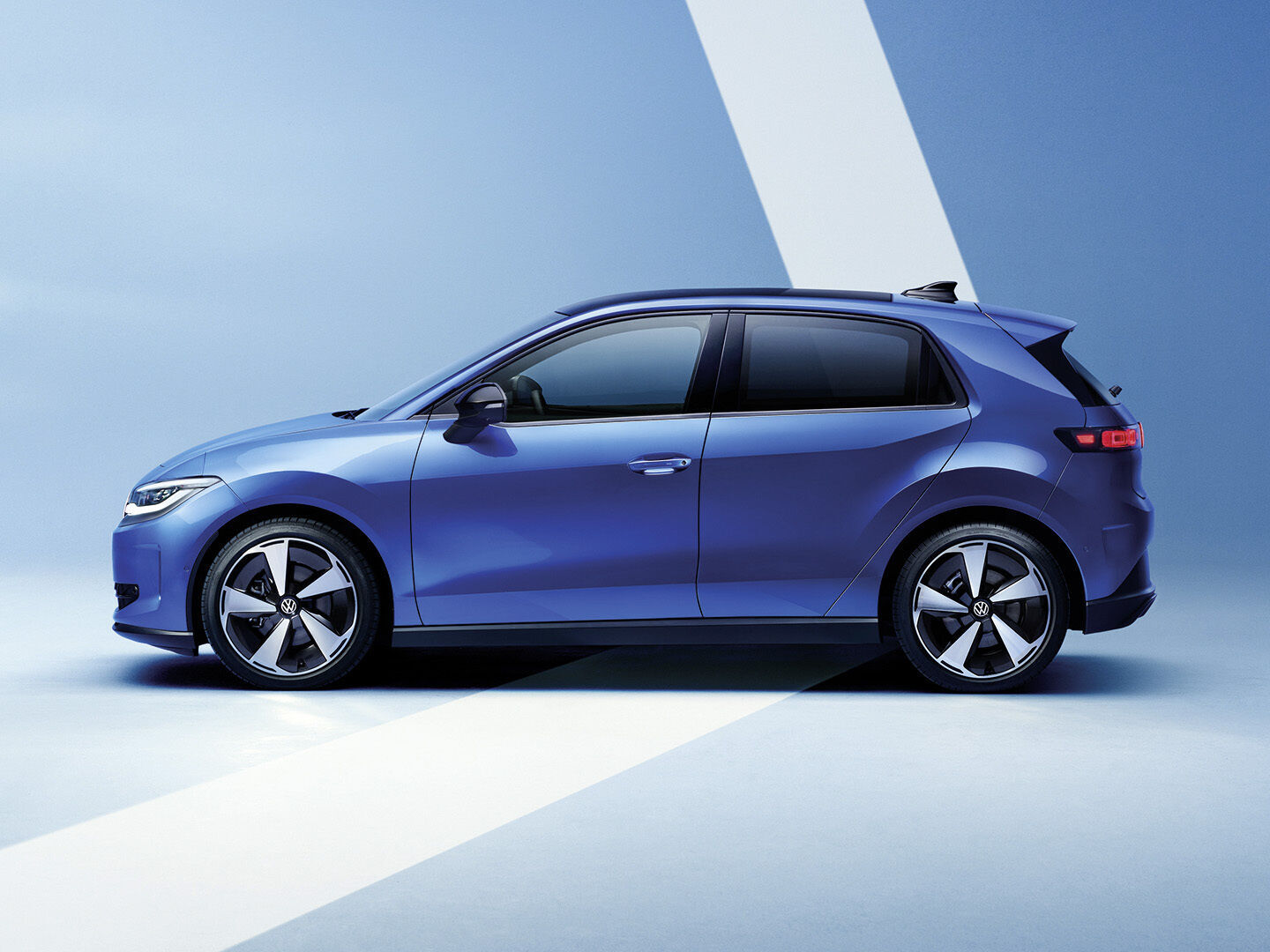
Volkswagen has unveiled the ID. Polo, the all-electric version of one of its most successful models, with over 20 million units sold across six generations. The new car, developed in Wolfsburg, marks a strategic shift as the company aims to democratise electric mobility. Pre-sales opened today, Wednesday, in Germany, with the entry-level price set at €24,995. The ID. Polo is the first production vehicle to adopt Volkswagen's new Pure Positive design language, created by Chief Designer Andreas Mindt. The design emphasises clear proportions, iconic C-pillars reminiscent of the original Golf, and a modern light signature. The car is immediately recognisable as a Volkswagen while signalling its electric nature.
Technical Specifications and Performance
The ID. Polo is built on the Modular Electric Drive Platform MEB+, offering three powertrain options. The base versions (85 kW and 99 kW) use a 37 kWh lithium iron phosphate (LFP) battery, delivering a WLTP range of up to 329 km. The top-tier 155 kW version employs a 52 kWh nickel-manganese-cobalt (NMC) battery, achieving a range of up to 454 km. DC fast charging from 10 to 80 percent takes approximately 23 minutes for the LFP battery and 24 minutes for the NMC battery. The car measures 4,053 mm in length, 1,816 mm in width, and 1,530 mm in height, with a wheelbase of 2,600 mm. Despite its compact exterior, the ID. Polo offers generous interior space, with a 25 percent increase in luggage capacity to 441 litres, expanding to 1,240 litres with the rear seats folded. This makes it more versatile than its combustion-engine predecessor.
Technological Innovations and Interior
The ID. Polo introduces several technologies from higher vehicle classes. Standard equipment includes a 26 cm Digital Cockpit and a 33 cm infotainment touchscreen with physical buttons. An optional Connected Travel Assist system provides assisted longitudinal and lateral guidance and, for the first time in this segment, automatic traffic light recognition within system limits. One-pedal driving is standard, allowing deceleration solely via the accelerator pedal. The interior follows the Pure Positive design language, featuring high-quality materials, elegant decorative seams, and small Volkswagen badges as finishing touches. A 'retro display' option offers a nostalgic look inspired by the Golf I facelift. The vehicle-to-load function turns the ID. Polo into a mobile power source for devices such as e-bikes.
Market Positioning and Strategic Importance
Thomas Schäfer, CEO of the Volkswagen Passenger Cars brand, described the ID. Polo as bringing 'a Volkswagen bestseller into the electric age.' He emphasised that the car makes electric mobility accessible to many more people through its design, intuitive operation, quality, and technologies from higher segments. The ID. Polo is positioned as a volume model and a democratisation vehicle for electric mobility, targeting the B-segment small car market. The car is available in three equipment lines: Trend, Life, and Style. With its starting price of €24,995 in Germany, it undercuts many competitors in the electric small car segment. Volkswagen aims to leverage the Polo's established reputation to attract buyers who may have been hesitant about electric vehicles.
Global Availability and South Africa Context
While the ID. Polo launches first in Europe, its arrival in other markets remains uncertain. The story is particularly significant in South Africa, where the Polo is a top-selling model. However, Volkswagen has not yet confirmed availability or pricing for South Africa. The car's entry-level price of €24,995 (approximately R470,000 at current exchange rates) would position it as a premium offering in the local market. South African consumers and analysts are watching closely, as the ID. Polo could accelerate electric vehicle adoption in a market where infrastructure is still developing. The company's decision to launch in Europe first reflects the continent's more mature EV ecosystem, but the global rollout strategy will determine whether the ID. Polo becomes a truly worldwide product.
Outlook and Industry Implications
The ID. Polo represents Volkswagen's most ambitious attempt to bring electric mobility to the mass market. By electrifying a beloved nameplate, the company hopes to convert loyal Polo customers while attracting new buyers. The car's competitive pricing, long range, and advanced features set a new benchmark for the small electric car segment. However, challenges remain, including global supply chain constraints, battery material costs, and varying charging infrastructure across regions. The success of the ID. Polo will depend on Volkswagen's ability to scale production and manage costs while maintaining quality. If successful, the ID. Polo could become a template for how legacy automakers transition iconic models to electric powertrains.
The bottom line
- Volkswagen ID. Polo is the first all-electric version of the iconic Polo, with over 20 million previous sales.
- Entry price of €24,995 in Germany undercuts many EV competitors, aiming to democratise electric mobility.
- Offers up to 454 km WLTP range and fast charging (10-80% in ~23 minutes for LFP battery).
- First production model with Pure Positive design language and segment-first traffic light recognition.
- Luggage capacity increased by 25% to 441 litres, making it more practical than the combustion Polo.
- Global rollout beyond Europe, including South Africa, remains unconfirmed, creating market anticipation.


South African Police Issue Arrest Warrant for MP Fadiel Adams Over Murder Probe Interference

AC Milan’s Champions League Hopes Hinge on Sassuolo Clash as Inter Poised for Scudetto

Goalkeeper Error Costs Midtjylland as Viborg Snatch 3-3 Draw in Title Race