Ramaphosa Denies Knowledge of Wanted Individuals at Zimbabwe Farm Visit
South African presidency addresses concerns over presence of individuals under investigation during President's meeting with Mnangagwa.
ZIMBABWE —
Key facts
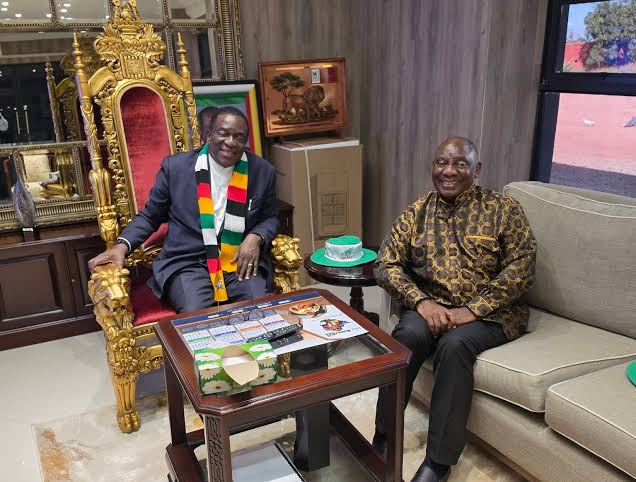
- President Cyril Ramaphosa visited Zimbabwe President Emmerson Mnangagwa at his private farm on Sunday.
- Ramaphosa's spokesperson Vincent Magwenya stated the President was unaware of individuals wanted by law enforcement being present.
- Businessman Wicknell Chivayo, whose assets are frozen in South Africa and is investigated for money laundering, was reportedly present.
- The visit was described by Pretoria as a 'working visit' to discuss bilateral interests, including trade and agriculture.
- Former ally Rutendo Matinyarare claimed Ramaphosa cautioned Mnangagwa against firing his deputy and proceeding with Constitutional Amendment Bill No. 3.
- DA MP Ryan Smith criticized the visit's timing amidst Zimbabwe's constitutional changes and questioned the presence of business figures.
- Smith referred to Chivayo and Kudakwashe Tagwirei as 'the Zimbabwean Guptas,' citing corruption concerns.
Ramaphosa Unaware of Alleged Associates at Mnangagwa Meeting
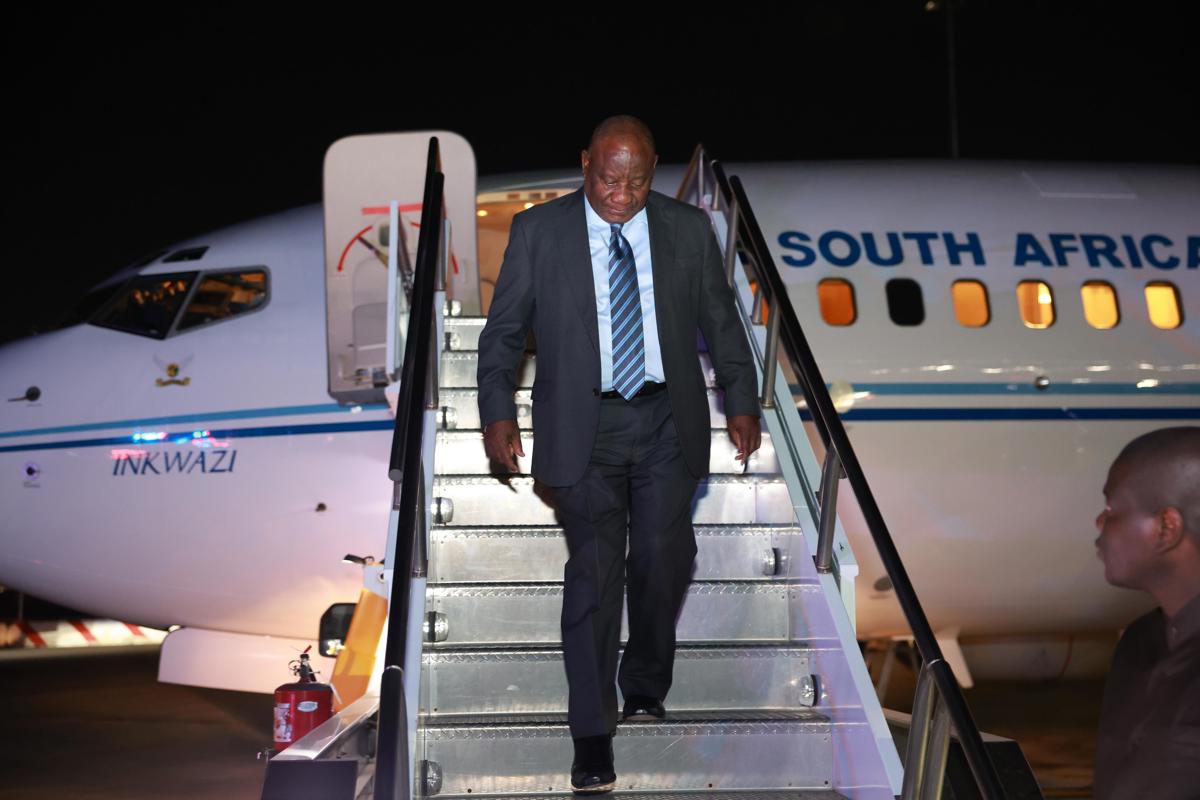
South African President Cyril Ramaphosa's recent visit to Zimbabwean President Emmerson Mnangagwa's private farm has become a subject of scrutiny, with the South African presidency now stating that Ramaphosa was unaware of the presence of individuals wanted by law enforcement. The meeting, held on Sunday at Mnangagwa's Precabe Farm in Kwekwe, was intended to cover bilateral interests between the two neighbouring nations. Presidency spokesperson Vincent Magwenya addressed the concerns on Wednesday, acknowledging reports that a person of interest to South African law enforcement was present during the engagement. Magwenya emphasized that President Ramaphosa had no prior knowledge of who would be attending the meeting, nor was he familiar with the individual in question. Zimbabwean businessman Wicknell Chivayo, whose assets have been frozen in South Africa and who is under investigation by the Hawks for money laundering, was among those present. The presidency has noted these developments with concern.
A 'Working Visit' Amidst Regional Political Tensions
While Harare characterized the engagement as a private visit, Pretoria officially designated it as a 'working visit.' Discussions between the two heads of state reportedly spanned a wide array of topics, including trade relations, agriculture, and broader cooperation within the Southern African Development Community (SADC). The visit was framed by Magwenya as a recognized diplomatic practice, allowing leaders to engage outside formal protocol settings. However, the timing and context of the meeting have drawn sharp criticism. Opposition party the Democratic Alliance (DA) has questioned South Africa's foreign policy posture, particularly as Zimbabwe's ruling Zanu-PF party advances constitutional changes that could extend presidential term limits. The DA's international relations and cooperation MP, Ryan Smith, argued that the visit occurred in a politically sensitive environment. Smith specifically pointed to the Constitution Amendment Bill No. 3, which he believes would enable extended and potentially limitless presidential terms. He also questioned the presence of business figures like Chivayo and Kudakwashe Tagwirei, whom he likened to 'the Zimbabwean Guptas,' raising concerns about corruption and undue influence.
Allegations of Ramaphosa's Intervention on Constitutional Bill
Beyond the immediate controversy over attendees, claims have emerged suggesting that President Ramaphosa's visit carried a more significant diplomatic weight. Former ally Rutendo Matinyarare asserted that Ramaphosa had come to caution President Mnangagwa against dismissing his deputy, Constantino Chiwenga, and against proceeding with the contentious Constitutional Amendment Bill No. 3. Matinyarare posited that Ramaphosa would not have visited for a private retreat given the ongoing immigration crisis in South Africa, which he attributes to Zimbabwe's poor governance. The proposed amendment, if enacted, could potentially destabilize Zimbabwe and lead to a further discharge of refugees into South Africa, a particularly sensitive issue in an election year. Ramaphosa's objective was to prevent the bill's passage and refrain from firing the Vice President, arguing that such actions would destabilize both Zimbabwe and the wider region. suggesting Ramaphosa was aligning with Mnangagwa's allies supporting the amendment.
Concerns Over Corruption and Migration Pressures
The presence of individuals like Wicknell Chivayo and Kudakwashe Tagwirei at the informal engagement has ignited further debate. Ryan Smith of the DA drew parallels between these figures and the controversial Gupta family, notorious for their alleged influence over the former South African government. He questioned the purpose of the Zondo Commission if such associations were still being entertained. Smith also reiterated the long-standing link between Zimbabwe's political and economic instability and the migration pressures on South Africa. He argued that Zimbabwe's democratic backslide since the late 1990s has placed a tremendous burden on South African public services and social cohesion, often stoking societal divisions. He contended that Ramaphosa and his administration have ignored human rights abuses and democratic capture in Zimbabwe, suggesting this is driven by 'pure political expediency.' Smith urged South African law enforcement agencies to continue their investigations into individuals implicated in corruption, without fear or hesitation.
A Crisis Management Intervention?
Rutendo Matinyarare described Ramaphosa's visit as a 'crisis management intervention,' suggesting that Zimbabwe is on the precipice of a coup or civil war. He highlighted warnings that the Constitutional Amendment Bill No. 3 poses a national and regional security risk, and that Ramaphosa's visit, along with the surrounding narratives, confirms these concerns are materializing rapidly. Matinyarare's assessment paints a picture of a region grappling with the consequences of Zimbabwe's governance, particularly as South Africa faces renewed xenophobic attacks fueled by anti-migrant groups. The situation in Harare, he suggests, is directly contributing to the strain on South African public services and social harmony. Mnangagwa, who assumed power after the 2017 coup that ousted Robert Mugabe, initially focused on re-engagement and improving his human rights record. However, the current push to extend his tenure through constitutional means, coupled with allegations of repression against opposition figures, has reignited regional anxieties.
Future Implications and Diplomatic Scrutiny
The South African presidency's firm stance that President Ramaphosa was unaware of the presence of wanted individuals underscores the delicate diplomatic tightrope being walked. The incident highlights the complexities of managing bilateral relations, particularly when domestic legal investigations intersect with high-level diplomatic engagements. As Zimbabwe navigates its internal political landscape, with significant constitutional changes proposed, the implications for regional stability remain a paramount concern. The DA's critique points to a broader debate about South Africa's role in advocating for democratic principles and human rights within its sphere of influence. The ongoing investigations into individuals like Chivayo and Tagwirei, and the potential for further legal action, will likely continue to cast a shadow over future engagements between the two nations. The presidency's commitment to pursuing these matters without fear or hesitation will be closely watched.
The bottom line
- South Africa's presidency maintains President Ramaphosa was unaware of individuals wanted by law enforcement being present at his meeting with Zimbabwe's Emmerson Mnangagwa.
- The visit, described as a 'working visit' by Pretoria, aimed to discuss bilateral interests including trade and agriculture.
- Allegations suggest Ramaphosa cautioned Mnangagwa against firing his deputy and proceeding with a controversial constitutional amendment that could extend presidential terms.
- The presence of businessmen facing South African investigations has drawn criticism, with comparisons made to the Gupta family and concerns raised about corruption.
- Zimbabwe's political and economic situation is cited as a primary driver of migration pressures on South Africa, impacting public services and social cohesion.
- The incident underscores the complex interplay between domestic legal issues and international diplomatic relations in the Southern African region.

San Jose burglars cut through walls to steal safe packed with passports and IDs
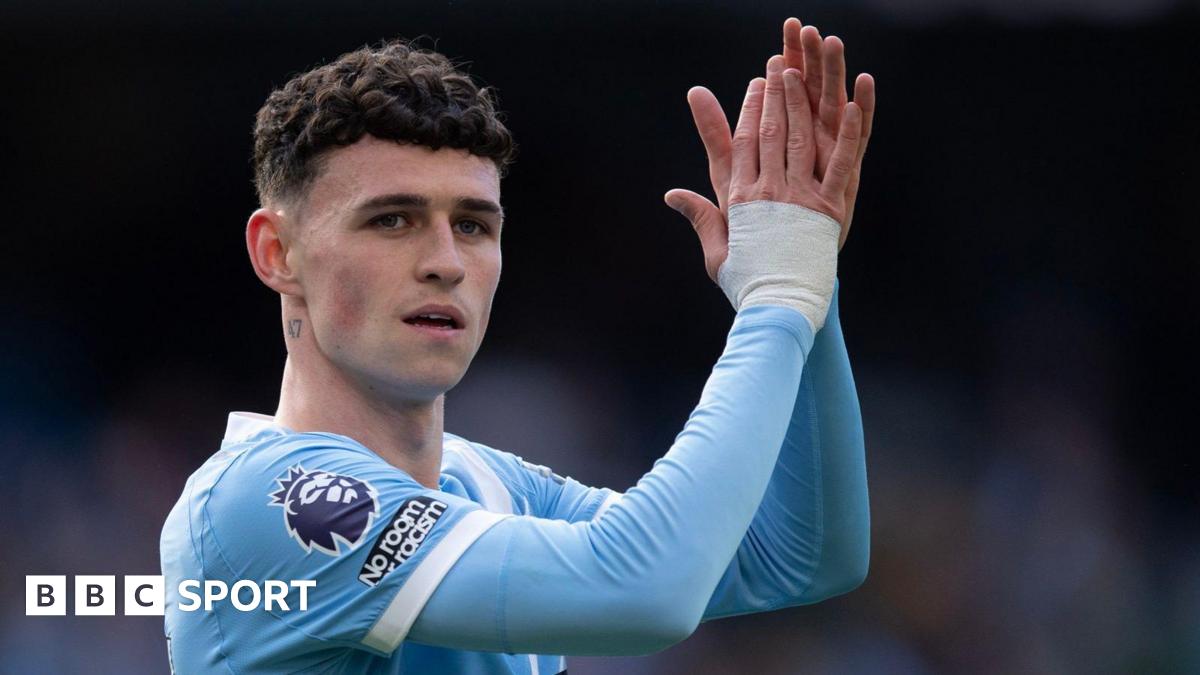
Phil Foden agrees new four-year Manchester City contract despite form struggles

Sporting Lisbon 5-1 Vitória Guimarães: Lions End Winless Run in Champions League Chase