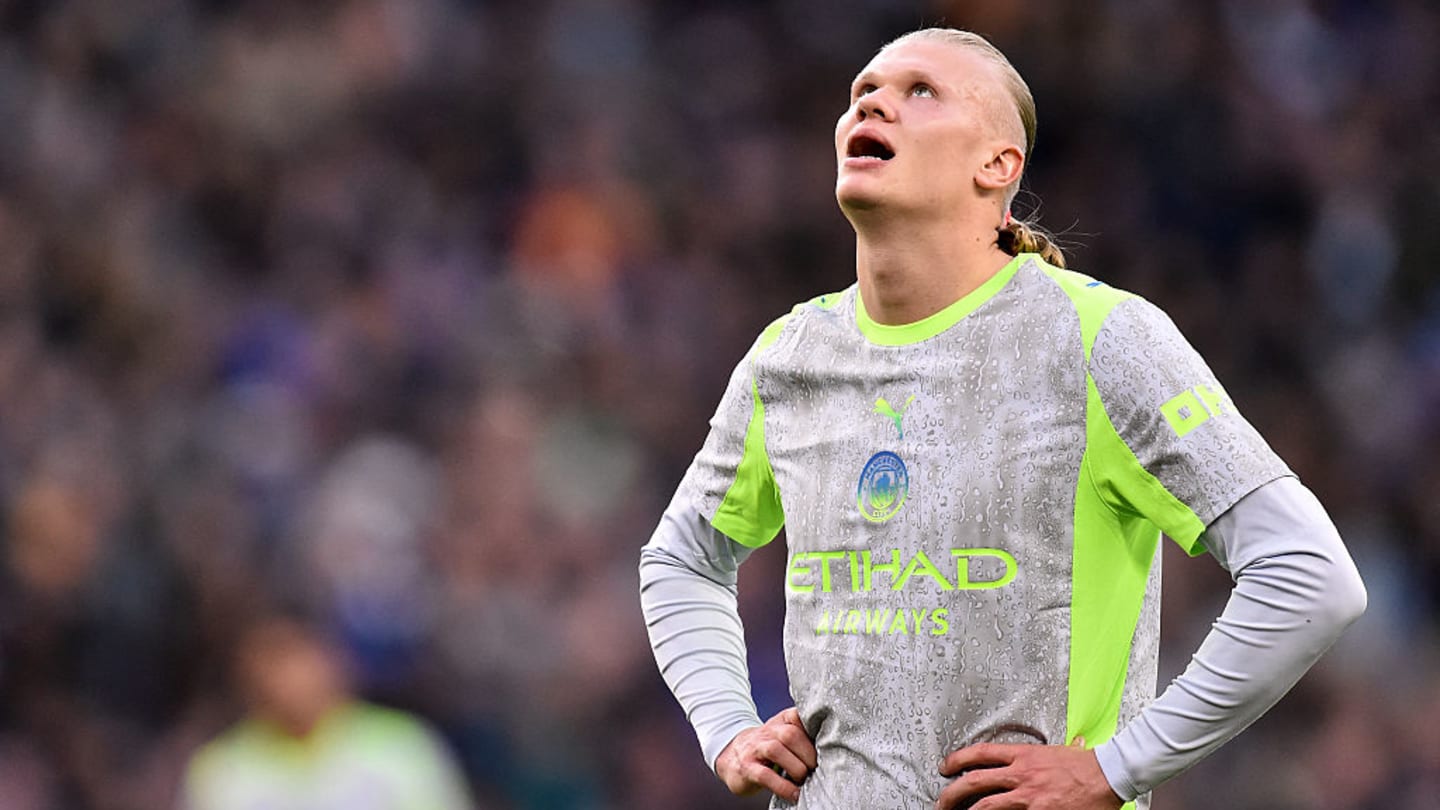
Bayern Munich's Champions League Dream Ends in Attack Failure Against PSG
A record-breaking offense faltered at the crucial moment, highlighting squad depth concerns in their Champions League exit.

ZIMBABWE —
Key facts
- FC Bayern lost to Paris Saint-Germain on a 6-5 aggregate score in the Champions League.
- The second leg match ended in a 1-1 draw, with Harry Kane scoring Bayern's equalizer in injury time.
- Ousmane Dembélé scored the opening goal for PSG in the seventh minute of the second leg.
- Bayern Munich had previously set a Bundesliga goalscoring record and surpassed 100 goals for the season.
- Midfielder Joshua Kimmich cited a lack of execution in decisive moments as the reason for the loss.
- Forward Serge Gnabry was out with a season-ending injury, and Jamal Musiala was not at full fitness.
- Harry Kane had expressed concerns about the squad's thinness ahead of the season.
Champions League Campaign Ends Abruptly
FC Bayern's pursuit of Champions League glory has been extinguished following a heartbreaking draw against Paris Saint-Germain. The Bavarians succumbed to a 1-1 scoreline in the second leg, resulting in a 6-5 aggregate defeat that sends them packing from the competition. This unexpected end marks a bitter conclusion to what had been a promising campaign for the German giants. The assessment among many observers is that Bayern simply were not good enough when it mattered most. While the team boasts a formidable record-breaking attack, it was their inability to convert chances in critical junctures that ultimately proved their undoing. The aggregate loss, stemming from a thrilling 5-4 first-leg encounter, leaves a stark question hanging over the Allianz Arena: where did it all go wrong for a team that had consistently delivered goals throughout the season?
Attack Falters in Decisive Moments
The narrative surrounding Bayern Munich's Champions League exit is not one of conceding too many goals, but rather a surprising failure of their vaunted attack to deliver. In the second leg against PSG, despite the attacking prowess that saw them set new Bundesliga scoring records and surpass the 100-goal mark for the season, the Bavarians found the net only once. Ousmane Dembélé's early strike in the seventh minute put Bayern on the back foot, requiring at least two goals to overturn the deficit. Yet, the minutes ticked by with alarming regularity. The score remained 0-1 through halftime and even after 90 minutes, a stark contrast to the goal-scoring machine Bayern had been for much of the season. It was only deep into injury time that Harry Kane finally managed to head home an equalizer. This solitary goal, however, was insufficient to bridge the gap created by the first-leg deficit and the attacking unit's uncharacteristic silence during the crucial ninety minutes.
Kimmich Cites Execution, Not Circumstance
Bayern Munich midfielder Joshua Kimmich, speaking after the match, pointed to a fundamental issue: a lack of execution in the game's defining moments. He articulated a belief that the team's shortcomings, rather than external factors, sealed their fate. "We made too many mistakes in the decisive moments," Kimmich stated, as reported by Sky Germany journalist Kerry Hau. "I still believe this team can win the Champions League. Unfortunately, not this year." While some might point to the officiating of Joao Pinheiro, Kimmich's focus remained resolutely on his team's performance. His assessment underscores a collective failure to perform when the stakes were highest, a noble but ultimately insufficient stance in the face of elimination.
Squad Depth and Injuries Cast a Shadow
Concerns about Bayern Munich's squad depth, previously voiced by striker Harry Kane, may have materialized in the critical Champions League tie. Kane himself had remarked ahead of the season that the squad was "one of the smallest" he had played in, a sentiment that could be argued to have impacted the team's performance against PSG. The absences and fitness issues plaguing key attacking players further exacerbated this perceived thinness. Forward Serge Gnabry was sidelined with a season-ending injury, leaving a void that was expected to be filled by Jamal Musiala. However, Musiala was still recovering from a complicated ankle injury sustained earlier in the season and appeared far from his best. This depletion of attacking options meant that when the team needed fresh impetus, alternatives were limited. While PSG's coach, Luis Enrique, could call upon players like Bradley Barcola, Kang-In Lee, and others from a deep bench, Bayern's options were more restricted, with Lennart Karl only entering the match in the 84th minute.
A Season of Contrasts: Records Shattered, Then Stalled
The Bavarians' season has been a study in contrasts. They had previously achieved remarkable goal-scoring feats, setting new Bundesliga records and comfortably surpassing the 100-goal mark in competitive matches, demonstrating an offensive juggernaut. This offensive might was expected to carry them through the latter stages of the Champions League, especially after participating in the 'match of the century' semi-final first leg against PSG, a thriller that ended 5-4. The expectation was that their scoring prowess would overcome any defensive vulnerabilities. However, in the decisive second leg, this potent attack sputtered. It was only the fourth time this season that Bayern scored fewer than two goals in a match, a statistic that painfully highlights the timing of their offensive drought. The team's mantra of relying on goals to overcome defensive lapses proved insufficient when the goals themselves failed to materialize.
Looking Ahead: The Lingering Questions
With their Champions League campaign concluded, Bayern Munich faces an offseason of introspection. The defeat raises fundamental questions about squad management and the ability to perform at the highest level when key personnel are unavailable or not at peak form. The team's starting XI remains undeniably strong, capable of competing with Europe's elite. Yet, the semi-final exit suggests that depth and resilience are crucial components that may have been underestimated. As the club looks towards future transfer windows, the lessons learned from this campaign will undoubtedly shape their strategy, aiming to ensure that such a critical failure in execution and depth does not recur on the grandest stage.
The bottom line
- FC Bayern's Champions League aspirations were ended by Paris Saint-Germain due to a 6-5 aggregate loss.
- The team's record-breaking attack failed to score enough goals in the decisive second leg, drawing 1-1.
- Midfielder Joshua Kimmich identified a lack of execution in key moments as the primary reason for the defeat.
- Squad depth issues and injuries to key attacking players like Serge Gnabry and Jamal Musiala are cited as contributing factors.
- Despite a season of high scoring, Bayern's offensive struggles in the semi-final were uncharacteristic and costly.
- The exit raises questions about Bayern's squad composition and their ability to cope with absences at the highest level.


Doku's 97th-Minute Equaliser Rescues Point for City but Leaves Title Hopes Hanging
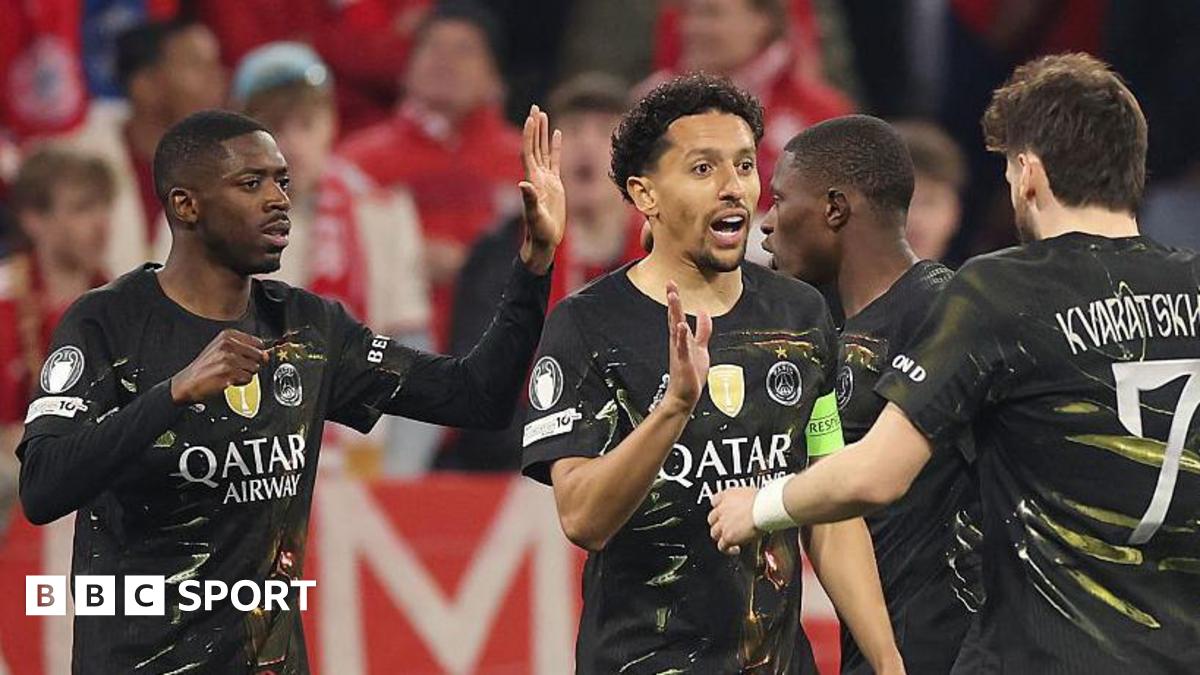
Bayern Munich Secure Champions League Final Berth After Tense Encounter

Saka strike puts Arsenal one step from Champions League final after tense first half