Three dead in suspected hantavirus outbreak on cruise ship off Cape Verde
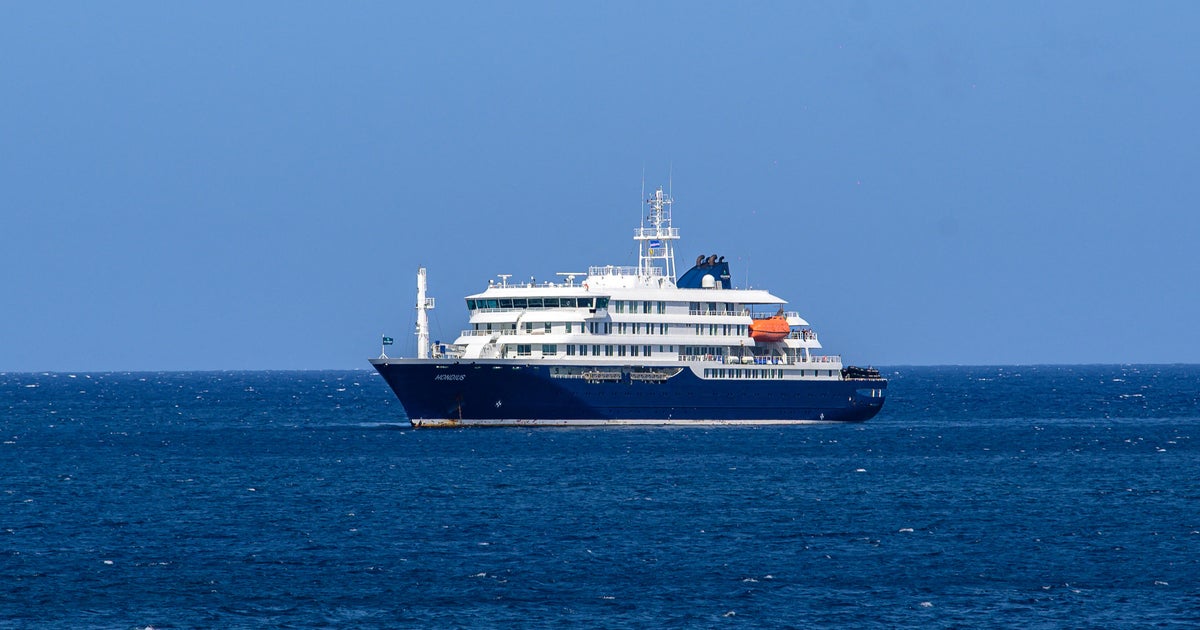
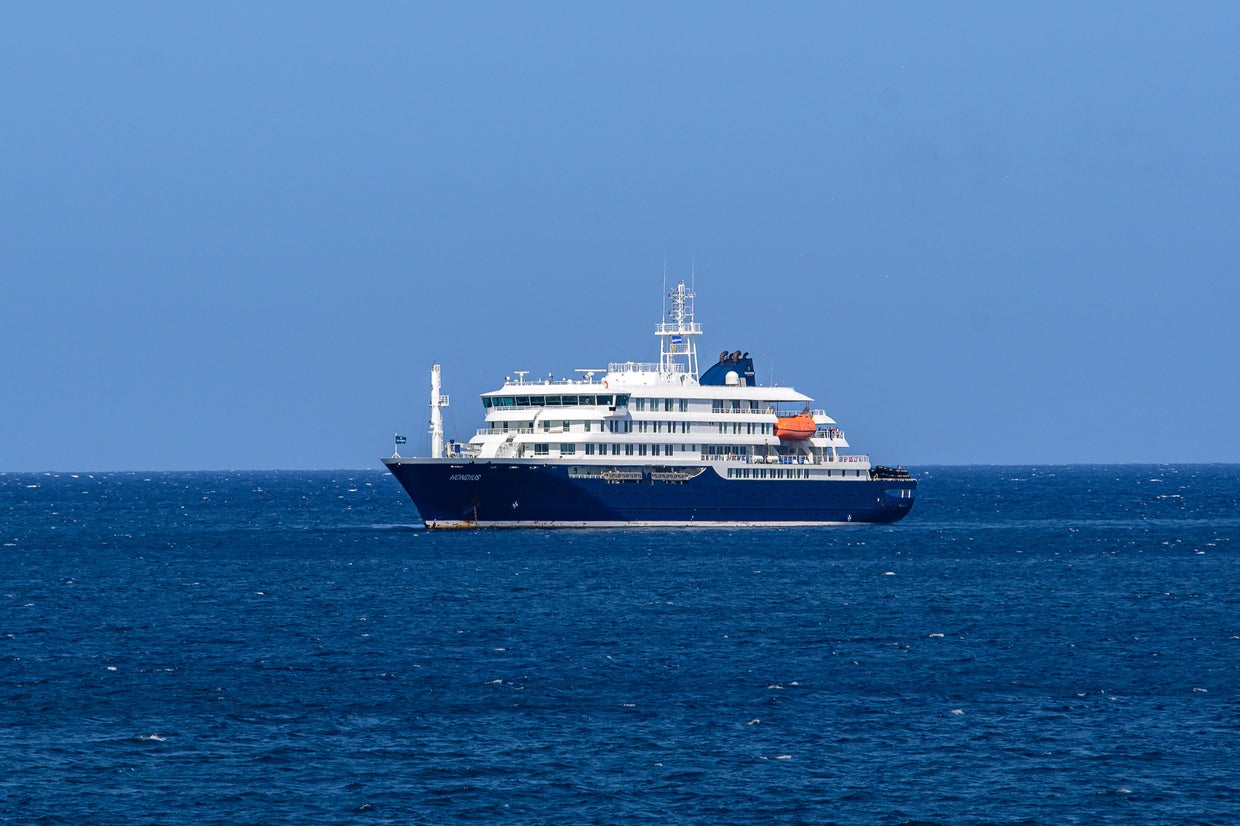
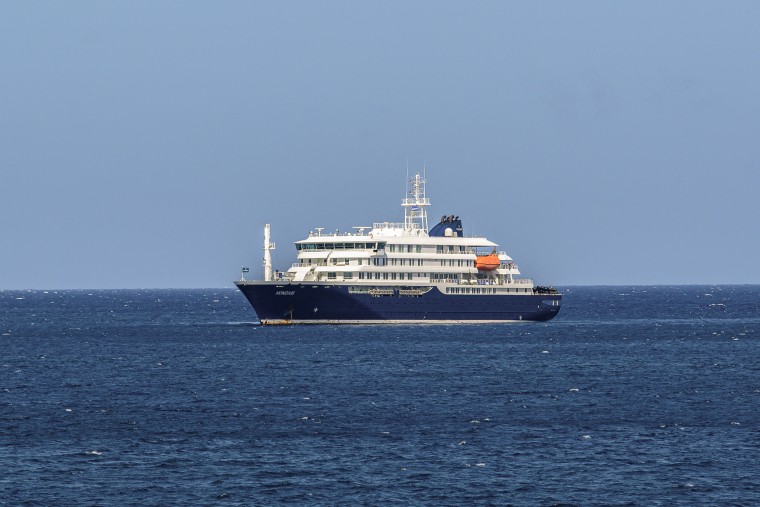
The MV Hondius, with nearly 150 aboard, remains stranded in open waters as Cape Verde refuses docking over public health fears.
ZIMBABWE —
Key facts
- Three passengers died, including a 70-year-old Dutch man and his 69-year-old wife.
- One British passenger tested positive for hantavirus and is in critical condition in South Africa.
- Two crew members with respiratory symptoms urgently need medical care.
- Cape Verde sent a medical team but has not allowed disembarkation.
- WHO says risk to wider public remains low; no travel restrictions needed.
- Hantavirus has no specific treatment or cure; fatality rate up to 40%.
- The ship left Argentina three weeks ago for a polar cruise including Antarctica.
Ship stranded as authorities refuse docking
A cruise ship with nearly 150 people aboard is stranded off the coast of Cape Verde after three passengers died and three others fell seriously ill in a suspected outbreak of hantavirus. The MV Hondius, a Dutch-flagged vessel operated by Oceanwide Expeditions, arrived at the island nation on Sunday seeking help, but Cape Verde’s Health Ministry said Monday it will not allow the ship to dock due to public health concerns. The vessel remains in open waters close to shore, its passengers and crew unable to disembark. Local health authorities have visited the ship three times, sending a team of two doctors, a nurse and a laboratory specialist, a WHO official in Cape Verde. They are assessing the condition of two symptomatic crew members and planning possible medical evacuations, in which patients would be taken by ambulance to an airport and flown out of the country. The Dutch Foreign Ministry is also exploring evacuation options.
Confirmed hantavirus case and five suspected infections
The World Health Organization confirmed one case of hantavirus through laboratory testing and identified five more suspected cases. One of the suspected patients is in intensive care in a South African hospital after being evacuated on April 27. That individual, a British man, is the only person to have tested positive for the virus, authorities said. He remains in critical condition and isolated in intensive care. Among the 87 remaining passengers, 17 are Americans, 19 are from the United Kingdom, and 13 are from Spain. Sixty-one crew members are also on board, including two who are ill with respiratory symptoms and require urgent medical attention. Oceanwide Expeditions said the two sick crew members—one British, one Dutch—need immediate care. A possible new case has emerged in a person showing mild fever symptoms, Lindstrand added, though no further details were provided.
Deaths include elderly Dutch couple; German victim’s body remains on ship
The three fatalities include a 70-year-old Dutch man who died on board on April 11 and his 69-year-old wife, who died after leaving the ship. The body of a German passenger also remains on the vessel.t disclose the exact date of the German’s death. The circumstances of how the outbreak began remain unclear, and the WHO is investigating while coordinating the evacuation of the two sick crew members. South Africa’s Department of Health said the ship departed Argentina about three weeks ago for a cruise that included stops in Antarctica, the Falkland Islands, and other destinations. It was ultimately headed to Spain’s Canary Islands. The voyage was a polar expedition aboard the MV Hondius, a Polar Class 6 passenger vessel.
Hantavirus: a rare, rodent-borne disease with no cure
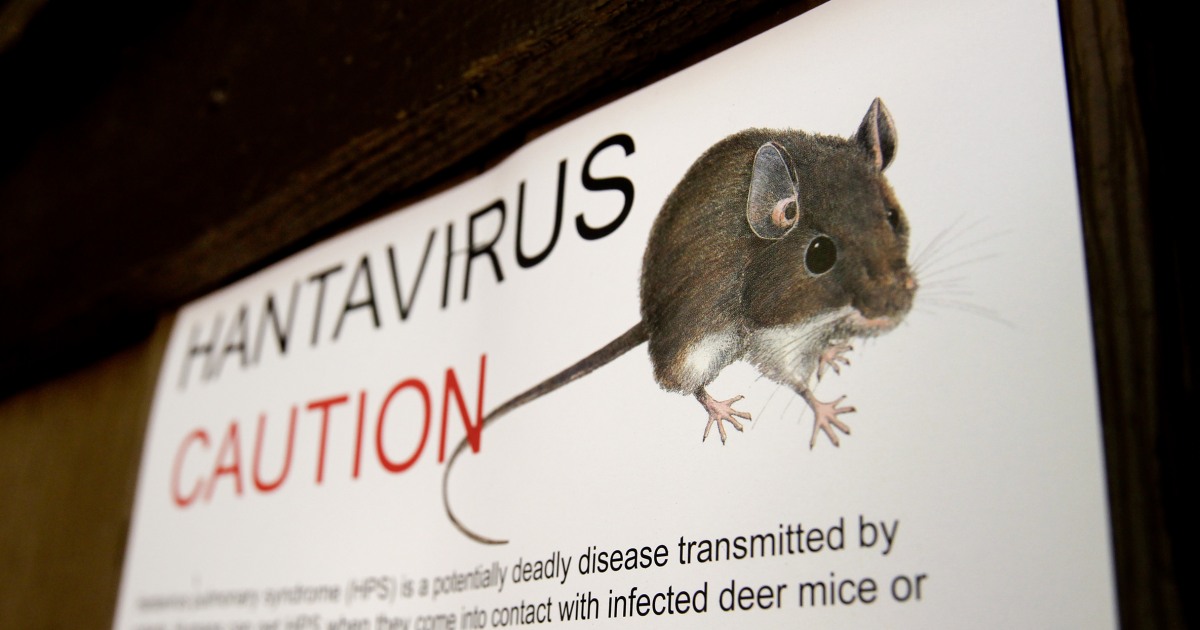
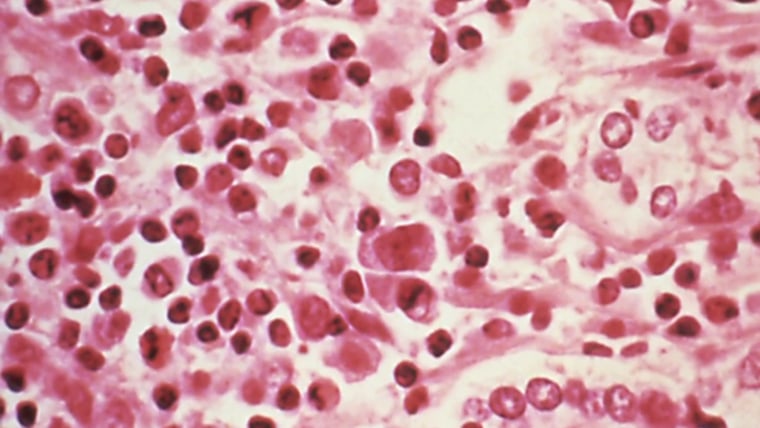
Hantaviruses are a family of pathogens spread primarily through contact with rodents or their urine, saliva, or droppings. The most common carrier in the Americas is the deer mouse, a small creature with a white underbelly and large ears. The virus can cause two severe syndromes: hantavirus pulmonary syndrome (HPS), which affects the lungs, and hemorrhagic fever with renal syndrome, which affects the kidneys. There is no specific treatment or cure, though early medical attention can improve survival chances. “It’s a horrible disease,” said Dr. Jeff Duchin, a retired public health officer in Seattle who helped characterize the first known U.S. outbreak in 1993. “It’s not uniformly fatal and it’s not always severe, but the fatality rate is still thought to be up to 40%, which is really high.” Symptoms can take up to eight weeks to appear after exposure, making diagnosis difficult. Initially, patients may experience fatigue, fever, and muscle aches, which can be mistaken for COVID-19 or influenza. In severe cases, the illness progresses rapidly—within hours—causing coughing, shortness of breath, and fluid in the lungs, leading to a drop in blood pressure and death.
WHO and local authorities coordinate response as sequencing continues
The WHO said it is supporting the public health event involving the cruise vessel and that detailed investigations are ongoing, including further laboratory testing and epidemiological work. Sequencing of the virus is also underway. Dr. Hans Henri P. Kluge, WHO regional director for Europe, stated Monday that “the risk to the wider public remains low. There is no need for panic or travel restrictions.” Cape Verde’s Health Ministry has not yet decided whether to allow the transfer of the two symptomatic crew members to medical facilities on the island. Oceanwide Expeditions said local health authorities have visited the vessel to assess their condition but have not made a decision. The Dutch Foreign Ministry is also looking into evacuating some people from the ship, though no timeline has been given.
Hantavirus gained global attention after Gene Hackman’s wife died
Last year, the virus killed Betsy Arakawa, the wife of actor Gene Hackman, in New Mexico. Arakawa, 65, died from hantavirus pulmonary syndrome. Hackman, 95, died a week later from hypertensive and atherosclerotic cardiovascular disease, with Alzheimer’s disease listed as a significant contributory factor. The case drew widespread media coverage and highlighted the dangers of hantavirus, which remains rare but deadly. The first known outbreak of hantavirus in the United States occurred in 1993 in the Four Corners region of the Southwest, where 14 people ultimately died. Duchin and a team of CDC staffers and local clinicians characterized the disease during that outbreak. Since then, sporadic cases have occurred across the Americas, Europe, and Asia, but outbreaks on cruise ships are extremely unusual.
Open questions and next steps as ship remains in limbo
The immediate priority is the medical evacuation of the two sick crew members, whose condition is deteriorating. Cape Verde authorities are weighing the risks of allowing them ashore against the potential for further spread. The WHO is facilitating coordination, but no decision has been announced. Meanwhile, the 87 passengers and 59 healthy crew members remain confined to the ship, uncertain when they will be allowed to disembark. The source of the outbreak remains a mystery. Hantavirus is typically contracted through contact with rodent excreta, and it is unclear how the virus could have spread on a polar cruise ship. The WHO is investigating possible exposures during the voyage, which included stops in remote islands and Antarctica. Until the investigation concludes, the ship will likely remain at anchor, a floating quarantine zone in the Atlantic.
The bottom line
- Three people have died and three others are seriously ill in a suspected hantavirus outbreak on the MV Hondius off Cape Verde.
- One case has been confirmed by laboratory tests; five others are suspected, including a British man in intensive care in South Africa.
- Cape Verde has refused to let the ship dock, citing public health concerns, but is assisting with medical evacuations.
- Hantavirus is a rare, rodent-borne disease with no specific treatment or cure and a fatality rate of up to 40%.
- The WHO says the risk to the wider public remains low and has not recommended travel restrictions.
- The outbreak has drawn comparisons to the 2025 death of Betsy Arakawa, wife of Gene Hackman, from hantavirus.

LeBron James leads Lakers past Rockets, setting up Thunder showdown

Nantes Dominate Marseille but Lack Cutting Edge, Frustrating Cabella

Barcelona target 16-year-old Spanish midfield prodigy amid transfer flurry