Hantavirus Outbreak Linked to Cruise Ship Traced to Argentina
Authorities investigate potential origins of deadly Andes virus strain in South America amid rising global cases.
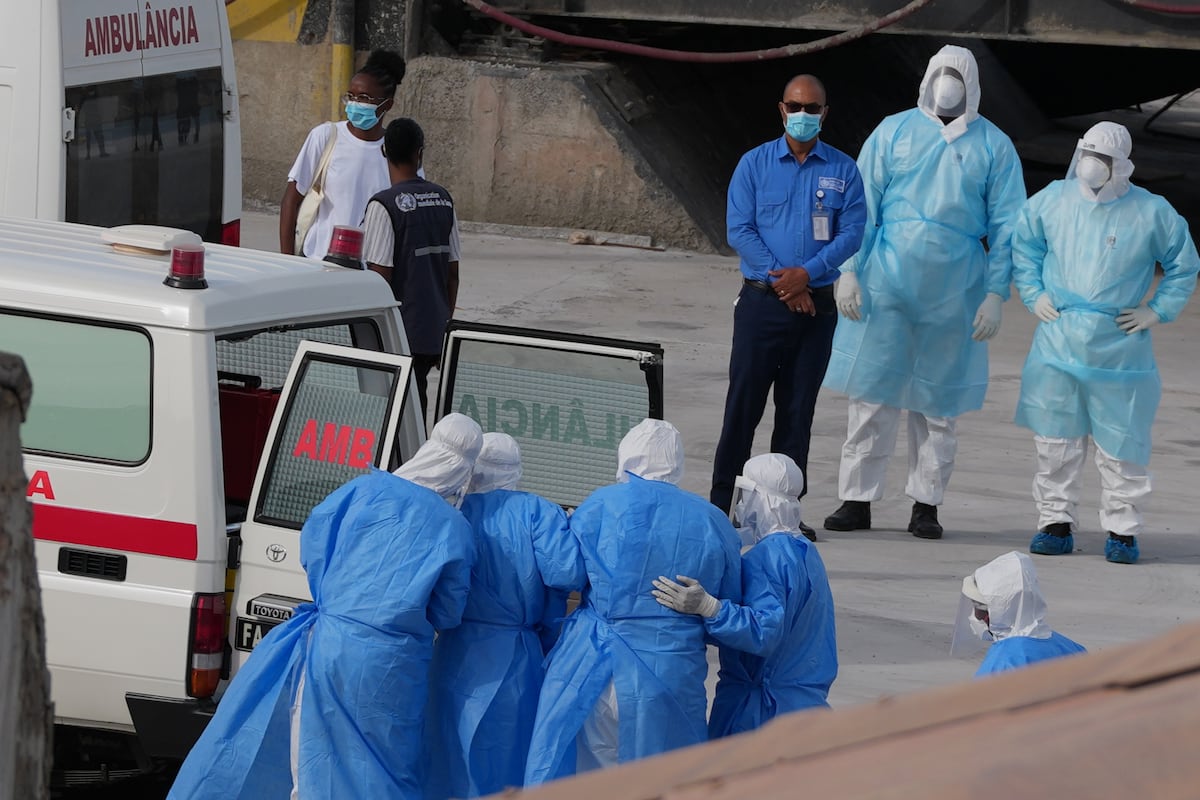
ZIMBABWE —
Key facts
- Eight hantavirus cases, including three confirmed, detected on the MV Hondius.
- Three individuals have died from the outbreak on the cruise ship.
- The outbreak is caused by the Andes virus (ANDV), known for human-to-human transmission.
- Twenty-three passengers disembarked in Saint Helena on April 21 and were only contacted by health authorities days later.
- 101 hantavirus infections since June 2025, nearly double the previous year's caseload.
- The mortality rate for hantavirus in Argentina has nearly doubled in the past year.
- Argentina is sending genetic material and testing equipment to aid international detection efforts.
Deadly Virus Emerges on Atlantic Voyage
A hantavirus outbreak aboard the MV Hondius has claimed three lives and infected eight people, raising urgent questions about its origins and spread. The cluster of cases, confirmed to be the Andes virus (ANDV) strain, has prompted a global health alert. The virus, known for its capacity to transmit between humans, has placed passengers and crew under strict isolation measures as authorities race to contain the contagion. The ship, currently moored, became the focal point of an unfolding health emergency after initial reports emerged of severe illness among those on board. The confirmation of the Andes virus, a variant particularly concerning due to its human-to-human transmission capability, has amplified fears of a wider contagion. While most passengers remain confined to the vessel under rigorous hygiene protocols, a group of 23 individuals who disembarked prior to the full extent of the outbreak becoming apparent now face scrutiny. Their journeys home, spanning continents, present a complex challenge for contact tracing and public health officials worldwide.
Passengers Left Uncontacted for Days
A significant lapse in communication has emerged regarding the 23 passengers who disembarked the MV Hondius on April 21 in Saint Helena, a full 10 days after the first death occurred on the ship. These individuals, who have since returned to their home countries across Australia, North America, Europe, and Taiwan, were reportedly not contacted by health authorities until days after their departure. One passenger, speaking anonymously from the ship, described the prolonged silence as perplexing. "There are 23 people wandering around there, and until three days ago, no one had contacted them," the passenger stated, highlighting the delay in official outreach. This delay meant that individuals who had been in close proximity to infected passengers and crew were allowed to resume normal life without immediate health advisement or monitoring, potentially facilitating further spread of the virus before its full scope was understood.
Switzerland Confirms Case Among Disembarked Passengers
Among the 23 passengers who disembarked in Saint Helena, at least one has since tested positive for hantavirus. This individual, an Australian who returned to Australia, was admitted to a hospital in Switzerland exhibiting symptoms and subsequently confirmed to have contracted the virus. The passenger who spoke to this publication confirmed the positive test result this morning. This case underscores the potential for the virus to have spread beyond the ship before the extent of the outbreak was recognized. The World Health Organization only began contacting the disembarked passengers three days prior to Wednesday's confirmation of the Andes virus, with some individuals not receiving contact until the day before. The WHO's confirmation on Wednesday that the outbreak is caused by the Andes virus (ANDV) brings into focus the specific risks associated with this strain. Unlike many other hantaviruses, which are primarily rodent-borne, the Andes virus is known to spread from person to person, typically through close, prolonged contact involving bodily fluids.
Argentina Investigates Potential Origin Amidst Domestic Surge
Officials and experts in Argentina are actively investigating whether the country is the source of the deadly hantavirus outbreak that has affected the MV Hondius. This inquiry comes as Argentina grapples with a significant surge in domestic hantavirus cases, with public health researchers attributing the rise to the accelerating effects of climate change. 101 hantavirus infections since June 2025, a figure nearly double that of the same period the previous year. The mortality rate associated with the disease in Argentina has also seen a sharp increase, nearly doubling in the past year to nearly a third of all cases, compared to an average of 15% in the preceding five years. Argentina, which consistently ranks high in hantavirus incidence in Latin America according to the World Health Organization, is now collaborating internationally. The nation announced on Wednesday that it is dispatching genetic material of the Andes virus and essential testing equipment to Spain, Senegal, South Africa, the Netherlands, and the United Kingdom to aid their detection efforts.
Climate Change and Rodent Vectors Fueling Argentine Outbreak
Experts in Argentina point to a changing climate as a significant factor driving the increased prevalence of hantavirus within the country. Warmer temperatures are expanding the geographical range of rodents that carry the virus, allowing them to thrive in previously unsuitable environments. Typically, hantavirus is contracted through exposure to the urine, droppings, or saliva of infected rodents. However, the Andes virus strain presents a dual threat, capable of spreading directly from person to person. This human-to-human transmission is believed to occur through close and prolonged contact with bodily fluids. The Argentine government's proactive step in sharing viral samples and testing apparatus highlights the interconnectedness of global health challenges. As investigations into the cruise ship outbreak continue, the domestic situation in Argentina provides a critical backdrop, suggesting a potential common origin for both epidemics.
A Severe Lung Disease with a Rising Mortality Rate
The Andes virus, prevalent in South America, can lead to a severe and often fatal lung condition known as hantavirus pulmonary syndrome. While hantaviruses are a diverse family with at least 38 recognized species, 24 of which cause illness in humans, the Andes strain stands out due to its human-to-human transmission capability. Globally, the World Health Organization has assessed the risk to the general public as low, emphasizing that person-to-person spread, though possible with the Andes virus, is rare. However, the recent cluster on the MV Hondius and the escalating situation in Argentina suggest a need for heightened vigilance. One passenger from the ship remains in intensive care in Johannesburg, South Africa, while another is hospitalized in Switzerland, indicating the severity of the illness and the ongoing medical challenges faced by those affected. The varying outcomes underscore the critical nature of prompt diagnosis and intensive medical support.
The bottom line
- An outbreak of the Andes virus (ANDV) on the MV Hondius has resulted in eight cases and three deaths.
- The Andes virus is unique among hantaviruses for its ability to spread from person to person.
- Twenty-three passengers who disembarked on April 21 were not contacted by health authorities for several days.
- Argentina is investigating its own country as a potential source for the outbreak, citing a surge in domestic cases.
- Climate change is believed to be expanding the range of rodents carrying hantavirus in Argentina.
- Argentina is providing genetic material and testing equipment to several countries to aid in detecting the Andes virus.

Crystal Palace Aims for Conference League Final Berth Against Shakhtar Donetsk

Aston Villa, Nottingham Forest Face Europa League Showdown

Zimbabwe Returns Seized Farms, Offers $146 Million in Compensation