US KC-135 Stratotanker Declares Emergency Over Persian Gulf, Vanishes From Radar
The aerial refueling aircraft transmitted a 7700 distress signal before its transponder was lost near Qatar, amid heightened Middle East tensions.
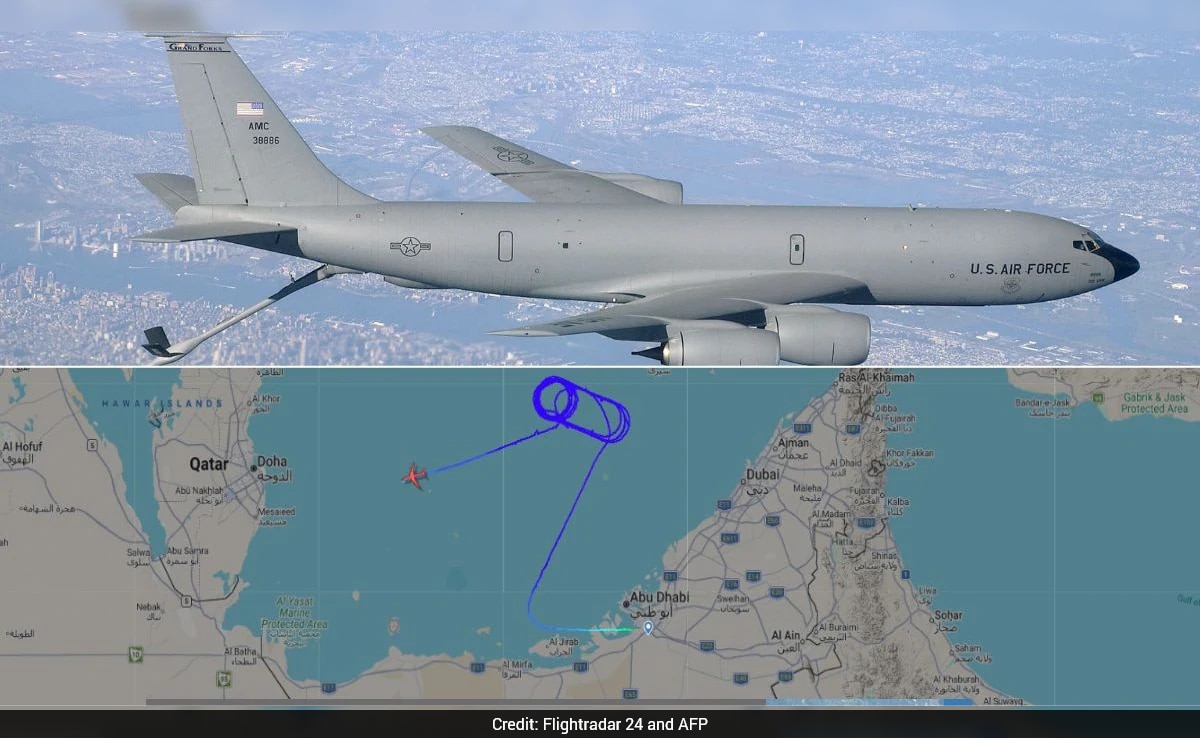
UAE —
Key facts
- Boeing KC-135 Stratotanker squawked 7700 emergency code over the Persian Gulf near Iran.
- Aircraft took off from Al Dhafra Air Base in the UAE and lost signal over Qatar.
- Flight tracking shows the plane flew in a circular pattern before beginning descent.
- H125 light utility helicopters were observed in the area after signal loss.
- No official confirmation from US military on aircraft status or cause of emergency.
- the incident but Iran has not claimed involvement.
- In March, a similar KC-135 was lost in an attack in western Iraq claimed by Iran-backed groups.
Distress Signal Over the Strait of Hormuz
A US Air Force KC-135R Stratotanker declared an in-flight emergency on Tuesday, transmitting a 7700 distress code while operating over the Persian Gulf near the Strait of Hormuz. The aircraft, a vital aerial refueling platform known as a "flying gas station," had taken off from Al Dhafra Air Base in the United Arab Emirates and was conducting refueling operations when the emergency signal was detected. Flight tracking data from Flightradar24 shows the plane flew in a circular holding pattern before beginning its descent, suggesting efforts to stabilize the situation. Roughly an hour after the emergency code was transmitted, the aircraft's transponder signal was lost as it was seen heading toward Qatar, where US forces operate from forward bases.
Signal Loss and Unanswered Questions
The loss of a transponder signal does not automatically confirm a crash; military aircraft can intentionally disable transponders for operational or security reasons. However, the combination of a 7700 emergency code followed by signal disappearance raises the possibility of a serious incident. H125 light utility helicopters were observed in the area after the signal loss, though their purpose remains unclear. The exact cause of the emergency has not been determined, and there has been no official confirmation from the United States military regarding the aircraft's status. Authorities have not linked the incident to hostile activity, and Iran's semi-official Fars news agency, which reported on the disappearance citing flight tracking data, has not indicated any Iranian involvement.
Aircraft's Critical Role in US Operations
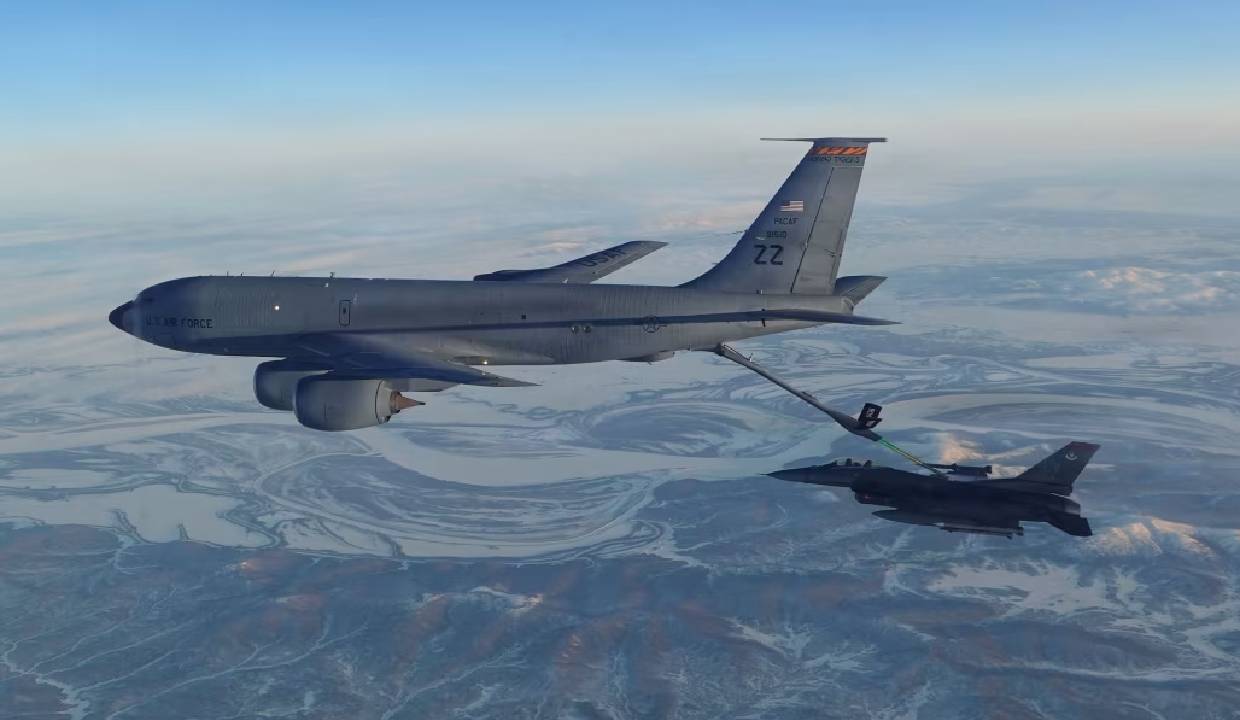
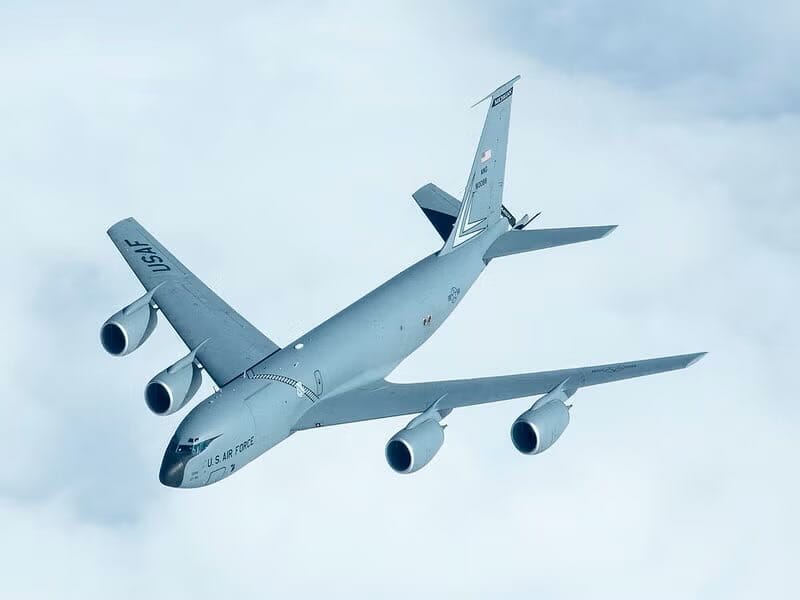
The KC-135 Stratotanker is a four-engine military aircraft based on Boeing's 367-80 design, which also led to the development of the commercial Boeing 707. It has been in service with the US Air Force for more than 60 years, primarily for aerial refueling, allowing fighter jets, bombers, and other military planes to remain airborne longer and travel greater distances. The aircraft also supports operations by the US Navy, Marine Corps, and allied nations. In addition to its refueling role, the KC-135 has a cargo deck above the refueling system, enabling it to carry passengers and equipment, and can support medical evacuation missions. Hundreds of these aircraft remain in service with the US Air Force, Air National Guard, and Air Force Reserve.
Regional Tensions and Recent History
The incident occurs against a backdrop of escalating Middle East tensions. In March, the US military lost a KC-135 in an attack in western Iraq, with the Islamic Resistance in Iraq, an umbrella group of Iran-backed armed factions, claiming responsibility. The group stated it shot down the aircraft "in defence of our country's sovereignty and airspace." The current emergency over the Persian Gulf has drawn attention due to its proximity to Iran and the Strait of Hormuz, a critical waterway. While no official link to hostile action has been confirmed, the sequence of events has heightened concerns given the region's volatility.
What Comes Next
The US military has not issued any statement on the status of the KC-135 or its crew. Investigators will likely analyze flight data and any available communications to determine the cause of the emergency. The presence of helicopters in the area suggests search or assessment efforts may be underway. Until official confirmation is provided, the fate of the aircraft and its personnel remains uncertain. The incident underscores the risks faced by aerial refueling assets, which are critical to US power projection in the Middle East.
The bottom line
- A US KC-135 Stratotanker declared an in-flight emergency over the Persian Gulf and lost its transponder signal near Qatar.
- The aircraft took off from Al Dhafra Air Base in the UAE and was conducting refueling operations.
- The 7700 distress code indicates a serious emergency, but the cause remains unknown.
- No official confirmation of a crash or hostile involvement has been made by US or Iranian authorities.
- The incident follows a March attack on a similar KC-135 in Iraq by Iran-backed groups.
- The KC-135 remains a cornerstone of US aerial refueling capability, with hundreds still in service.



Khaleej Times Digital Edition Replicates Print Experience for UAE Readers

Iran Drone Swarm Strikes ADNOC Tanker in Strait of Hormuz as UAE Issues Missile Alerts

Dubai Airport Faced 114 Missile Alerts During Regional War, CEO Reveals