Saudi Arabia Halts U.S. Military Access, Forcing Hormuz Operation Pause
Riyadh's decision to deny use of its bases and airspace prompted President Trump's abrupt halt to 'Project Freedom' amid peace talks.
UAE —
Key facts
- Saudi Arabia suspended U.S. military access to its bases and airspace.
- President Trump announced a pause in 'Project Freedom' on Sunday.
- The operation aimed to help ships transit the Strait of Hormuz.
- Crown Prince Mohammed bin Salman was informed of the U.S. operation.
- U.S. officials stated regional allies were notified in advance.
- The U.S. military requires access, basing, and overflight (ABO) permissions from regional partners.
- Three U.S. Navy destroyers faced missile and drone fire from Iranian forces.
- The U.S. conducted self-defense strikes on three Iranian ports.
Operation Halted Amid Diplomatic Fallout
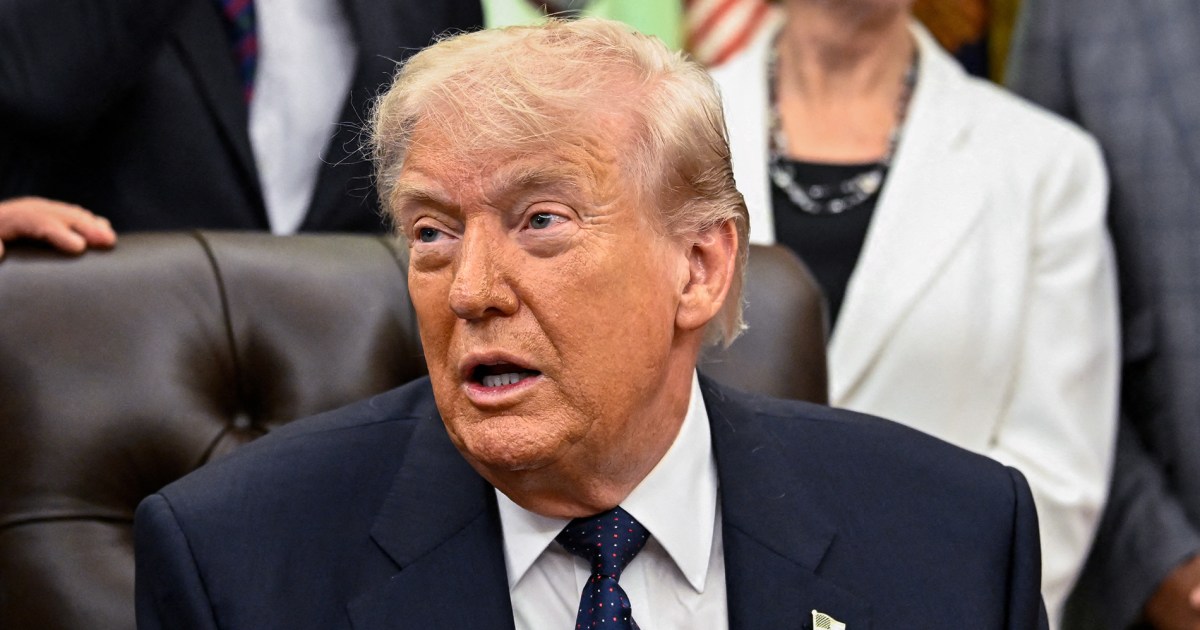
President Donald Trump's initiative to ensure safe passage for vessels through the Strait of Hormuz has been abruptly suspended, a move directly linked to a critical decision by Saudi Arabia. The key Gulf ally informed the United States that it would no longer permit U.S. military aircraft to operate from Prince Sultan Airbase or fly through its airspace in support of the operation, according to two U.S. officials. This development forced the president to pause "Project Freedom," a designation for the effort, in order to reinstate access to vital regional airspace. The decision by Riyadh came as a surprise to some Gulf allies, including Qatar, with whom the president spoke after the operation had already commenced. A senior White House official, however, stated that regional allies had received advance notification of the U.S. endeavor. The U.S. military had positioned additional ships in the Gulf in anticipation of the operation, which had seen two U.S.-flagged vessels successfully navigate the strait before the pause. President Trump characterized the pause, announced on social media, as a temporary measure to allow for the finalization of a peace agreement. "Project Freedom" was intended to provide a defensive umbrella for commercial and military ships traversing the strategically crucial waterway, which has been a focal point of regional tensions.
Saudi Arabia's Strategic Reversal
The Kingdom of Saudi Arabia's decision to withdraw cooperation marked a significant shift in its support for U.S. military operations in the region. Sources indicated that the announcement of "Project Freedom" on a Sunday afternoon angered leadership in Saudi Arabia, prompting their swift response. The U.S. officials confirmed that a direct conversation between President Trump and Saudi Crown Prince Mohammed bin Salman did not resolve the impasse, underscoring the gravity of Riyadh's stance. Saudi officials were reportedly in regular contact with their U.S. counterparts, including President Trump, Vice President JD Vance, U.S. Central Command (CENTCOM), and Secretary of State Marco Rubio, according to a Saudi source. Despite these communications, the core issue of military access remained unresolved, compelling the White House to halt the operation. The U.S. military relies heavily on agreements for access, basing, and overflight (ABO) from regional partners. Saudi Arabia and Jordan are particularly critical for basing aircraft, while Kuwait is essential for overflight. Oman also plays a key role, providing both overflight and naval logistics. The suspension of these permissions by Saudi Arabia directly impacted the operational capabilities of "Project Freedom."
Broader Diplomatic Landscape and Oman's Position
The U.S. initiative also appeared to catch other close Gulf allies off guard, with coordination efforts with Oman occurring only after President Trump's public announcement. A Middle Eastern diplomat described the sequence of events, stating, "The U.S. made an announcement and then coordinated with us." This diplomat, however, added that Oman was not displeased by the approach. For "Project Freedom" to be effective, the U.S. military requires the cooperation of regional partners to utilize their airspace, particularly along borders. Military aircraft, including fighter jets and refueling tankers, are crucial for providing protection to ships navigating the strait. The ability to base these assets in countries like Saudi Arabia and Jordan, and to fly them over territories like Kuwait and Oman, is fundamental to the mission's success. The pause in "Project Freedom" occurred at a delicate juncture in regional diplomacy, with the U.S. also engaged in efforts to broker peace. The extent to which this operational halt might influence broader diplomatic negotiations remains a significant question.
Recent Military Engagements in the Strait
The suspension of "Project Freedom" followed recent military engagements in the U.S. forces conducted self-defense strikes against Iranian targets after three U.S. Navy destroyers—the USS Truxtun, USS Mason, and USS Rafael Peralta—came under missile and drone fire. Fortunately, the destroyers were not struck during the incident. The U.S. military responded by targeting three Iranian ports along the Strait of Hormuz: Bandar Abbas, Qeshm, and Bandar Kargan. President Trump described these retaliatory strikes as "just a love tap" and confirmed that a ceasefire was in effect. Speaking to ABC News, President Trump stated that the ceasefire was ongoing. The incident involving the Navy destroyers highlights the volatile security environment in the Strait of Hormuz, a critical chokepoint for global oil shipments and a frequent site of friction between the U.S. and Iran.
The Strategic Importance of the Strait of Hormuz
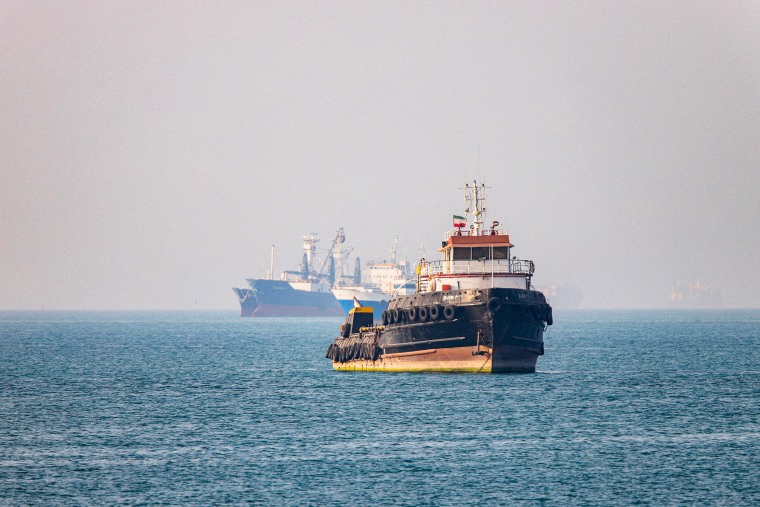
The Strait of Hormuz, a narrow waterway connecting the Persian Gulf to the Gulf of Oman, is one of the world's most vital maritime chokepoints. Approximately 30% of the world's seaborne oil trade passes through this strategic passage daily, making any disruption a significant concern for global energy markets. Naval forces from the U.S. and its allies regularly patrol the strait to ensure freedom of navigation and deter potential threats. "Project Freedom" was designed to bolster these efforts by providing enhanced support for vessels transiting the area, particularly in light of heightened regional tensions. The reliance on regional partners for airspace and basing rights underscores the complex geopolitical dynamics at play. The ability of the U.S. military to operate effectively in the region is intrinsically linked to its diplomatic relationships and the willingness of allies to grant necessary permissions.
Future of 'Project Freedom' and Regional Stability
The future of "Project Freedom" hinges on the resolution of the diplomatic dispute with Saudi Arabia and the broader success of peace initiatives. The pause, intended to be short, could be extended if access issues are not resolved, potentially impacting the security of shipping in the Strait of Hormuz. Analysts will be closely watching the ongoing communications between Washington and Riyadh, as well as the progress of any peace negotiations involving Iran. The willingness of key regional players to cooperate on security matters is paramount to maintaining stability in this volatile part of the world. The incident serves as a stark reminder of the intricate web of alliances and dependencies that govern international security operations. The U.S. military's operational capacity is not solely a matter of its own strength but is also contingent upon the sustained cooperation of its partners.
The bottom line
- Saudi Arabia's refusal to grant U.S. military access to its bases and airspace has forced a pause in 'Project Freedom'.
- The operation aimed to ensure safe passage for ships through the Strait of Hormuz.
- President Trump announced the pause on social media, citing a need to finalize a peace agreement.
- The U.S. military's operational effectiveness in the region depends on access, basing, and overflight permissions from allies.
- The pause followed recent U.S. self-defense strikes on Iranian ports after U.S. Navy destroyers were targeted.
- The Strait of Hormuz is a critical chokepoint for global oil trade, making its security vital.

RCB Eyes Top Spot as Crucial LSG Clash Looms

Sunrisers Hyderabad Ascend to Top Spot After Dominating Punjab Kings

Saudi Arabia Drives GCC Equity Recovery with $953 Million Inflow in April