UAE Lifts All Airspace Restrictions After Months of Regional Conflict
The General Civil Aviation Authority confirms full return to normal operations, ending disruptions that began in late February.
UAE —
Key facts
- GCAA announced full resumption of normal air navigation operations on May 2, 2026.
- UAE airspace had been partially closed since late February due to US-Israel conflict with Iran.
- At least eight countries, including UAE, Iraq, Jordan, Qatar, Bahrain, and Kuwait, imposed airspace closures.
- Between March 1 and March 12, 2026, UAE airports handled over 1.4 million passengers and 7,839 aircraft movements.
- During early March, UAE carriers operated at about 44.6% of pre-tensions levels, per GCAA director general Saif Mohammed Al Suwaidi.
- Contingency routing capacity was limited to 48 flights per hour during phased restarts.
- Iraq also reopened its airspace, with Iraqi Airways planning phased resumption from April 10, 2026.
Full Restoration of Airspace After Ceasefire
The General Civil Aviation Authority (GCAA) confirmed on May 2, 2026, that all flight restrictions imposed during the recent regional conflict have been lifted, marking a full return to normal air navigation operations across the United Arab Emirates. In an official statement, the regulator announced that UAE airspace has resumed its “normal status” following a detailed review of operational and security conditions conducted in coordination with national authorities. The UAE had introduced a partial airspace closure in late February amid escalating hostilities between the U.S., Israel, and Iran, which triggered widespread operational disruption across the Middle East. The conflict led to one of the most significant airspace disruptions in the region in recent years. The lifting of restrictions follows a ceasefire agreement reached last month, which has begun to ease tensions and support a gradual normalization of aviation activity.
GCAA Statement and Ongoing Monitoring
“We are pleased to announce the full resumption of normal air navigation operations across UAE airspace. Following a comprehensive evaluation of operational and security conditions, we have officially lifted the temporary precautionary measures previously in place,” the GCAA wrote in the statement. “Our priority remains the safety of our skies, and we continue to maintain continuous, real-time monitoring to ensure the highest levels of aviation safety for all,” the statement concludes. The authority also communicated via its official Twitter account, reiterating the lifting of measures and emphasizing ongoing vigilance. The GCAA noted that air traffic had gradually returned towards normal after regional “exceptional circumstances,” with UAE airports handling more than 1.4 million passengers and 7,839 aircraft movements between March 1 and March 12, 2026.
Impact on Major Hubs and Airlines
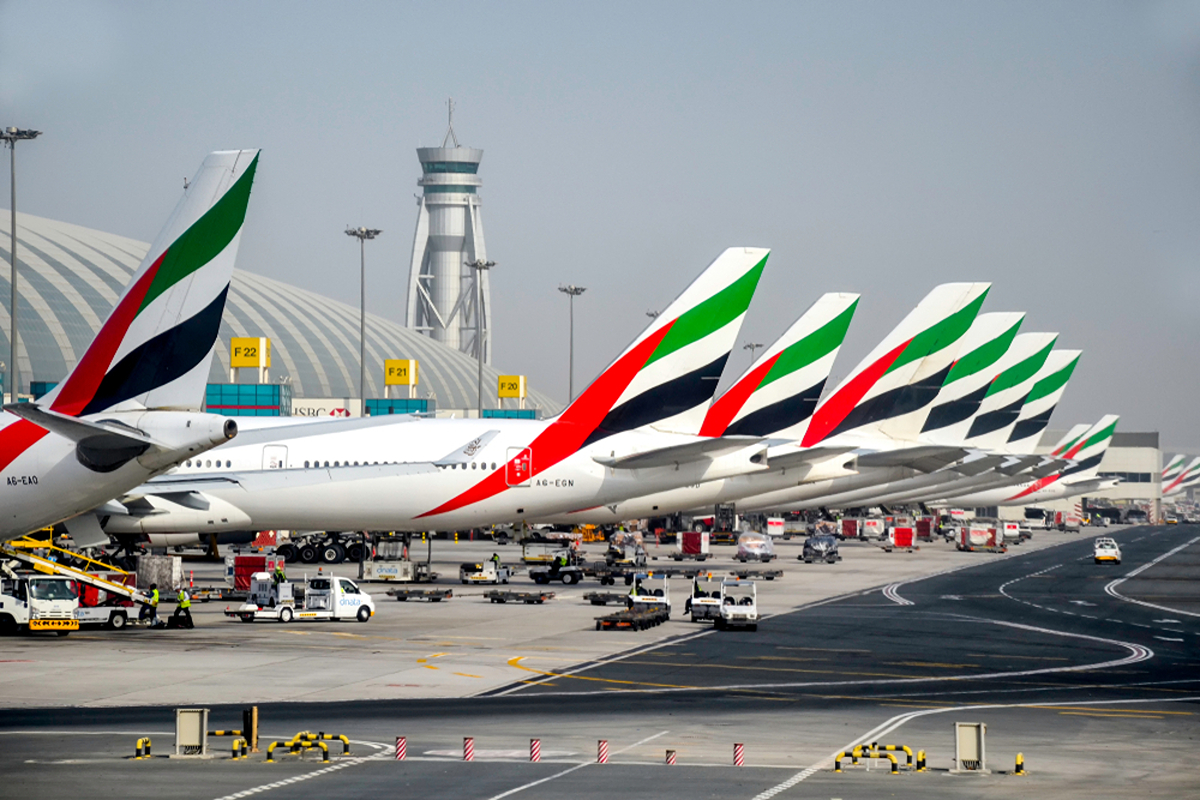
Large UAE hubs, including Dubai, home to the world’s busiest airport for international passengers, and Abu Dhabi, had been operating under strict restrictions since February. Etihad suspended all departures from Abu Dhabi, while Dubai-based carriers Emirates and flydubai temporarily halted all of their operations. During early March, UAE carriers and airports implemented phased restarts after the temporary, partial airspace closure, with limited schedules, passenger access restrictions, and contingency routing capacity of up to 48 flights per hour. GCAA director general Saif Mohammed Al Suwaidi stated that UAE national carriers’ activity reached about 44.6% of pre-tensions levels during that period. For travellers passing through Dubai and Abu Dhabi, the full restoration signals a return to smoother journeys and a key turning point for aviation across the region.
Regional Context and Broader Disruptions
The conflict led to one of the most significant airspace disruptions in the Middle East in recent years. At least eight countries, including the UAE, Iraq, Jordan, Qatar, Bahrain, and Kuwait, imposed full or partial airspace closures. The measures were progressively eased through March, with full restoration now confirmed. Throughout the conflict, retaliatory Iranian strikes on countries throughout the Gulf forced the shutdown of much of the region’s airspace, severely restricting the number of routes between Europe and Asia with stops at Gulf airports. Iraq Civil Aviation Authority also reopened Iraqi airspace, and Iraqi Airways planned a phased resumption from April 10, 2026. The lifting of UAE restrictions follows a ceasefire agreement reached last month, which has begun to ease tensions and support a gradual normalization of aviation activity across the Middle East region.
Industry Response and Outlook
Dubai Airports welcomed the announcement, stating: “With airspace within the UAE now fully restored, Dubai Airports is moving decisively to scale up operations, increasing flight movements in line with available regional routing capacity.” For airlines and airports, as well as passengers, the decision comes as a relief after months of disruption. The GCAA continues to monitor the situation in real time, ensuring the highest levels of aviation safety. The full restoration of airspace marks a significant step towards recovery for regional travel and key hubs, including Dubai and Abu Dhabi, and signals a new start for the UAE’s aviation operators.
The bottom line
- The UAE fully reopened its airspace on May 2, 2026, ending months of partial closure due to the US-Israel conflict with Iran.
- The GCAA lifted all temporary precautionary measures after a comprehensive security review, with real-time monitoring continuing.
- Major hubs Dubai and Abu Dhabi, along with carriers Emirates, Etihad, and flydubai, had suspended or severely limited operations since February.
- Between March 1-12, 2026, UAE airports handled over 1.4 million passengers and 7,839 aircraft movements, with carriers at 44.6% of pre-tension levels.
- The reopening follows a regional ceasefire and is part of a broader normalization of aviation activity across the Middle East, including Iraq's airspace reopening.
- Dubai Airports is scaling up operations to increase flight movements as regional routing capacity recovers.


LeBron James Leads Lakers Past Rockets, Setting Up Thunder Showdown
UAE to Witness Rare Blue Moon and Meteor Shower in May

وزير المالية يعلن زيادة مخصصات التعليم 20% والصحة 30% وسط استعدادات لامتحانات الثانوية العامة 2026
