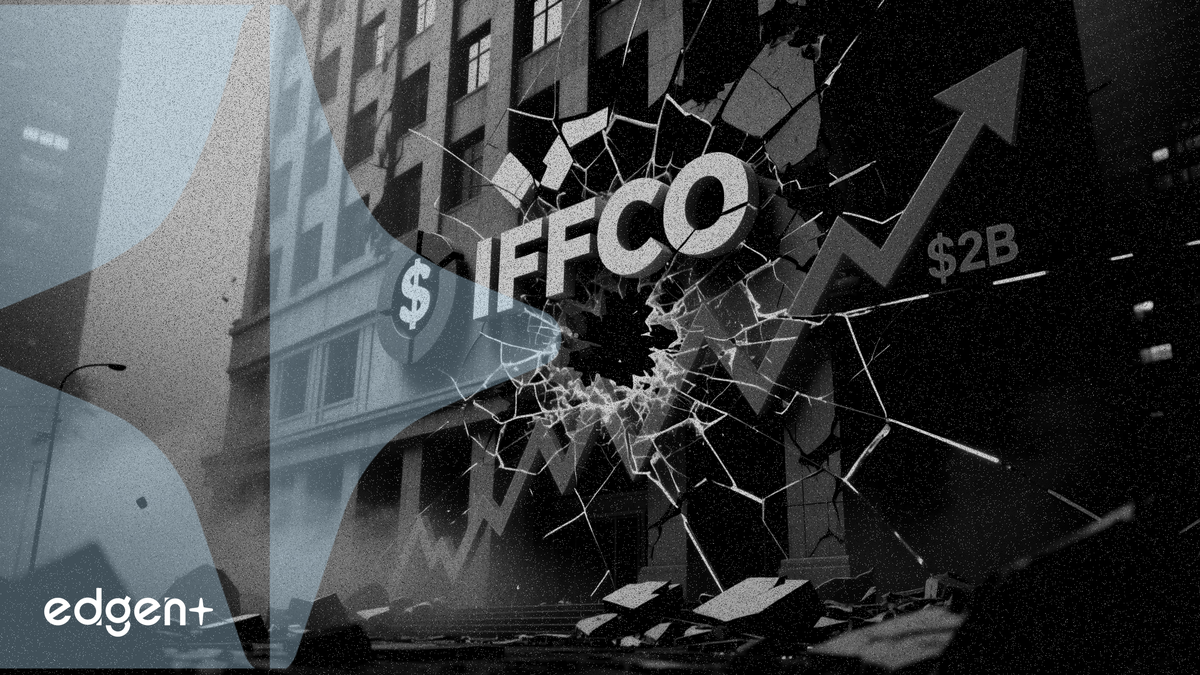
IFFCO Faces Provisional Liquidation Amid $2 Billion Debt Crisis
Creditors led by HSBC seek court intervention as restructuring talks falter, citing shareholder disputes and regional conflict.

UAE —
Key facts
- IFFCO Group is poised for provisional liquidation.
- The conglomerate carries an estimated $2 billion in debt.
- HSBC Holdings leads a consortium of creditors seeking court control.
- FTI Consulting has been nominated as provisional liquidator.
- Restructuring negotiations have failed after months of stalled talks.
- Shareholder disagreements and governance concerns complicated negotiations.
- Regional conflict and trade route disruptions have impacted supply chains.
Dubai Conglomerate on Brink of Collapse
Dubai's IFFCO Group, a half-century-old food and agri-business giant, is facing a deepening financial crisis that could lead to provisional liquidation. Known for popular brands such as London Dairy, Tiffany, and Noor, the privately held conglomerate has seen its extensive operations across more than 50 countries strained by mounting debt and complex negotiations with creditors. The potential collapse follows months of failed debt restructuring efforts, highlighting significant stress within the Gulf's corporate sector. This situation is exacerbated by rising borrowing costs, tighter liquidity, and regional geopolitical shocks that are pressuring heavily leveraged family-owned businesses. The company's estimated $2 billion debt burden has become increasingly unmanageable amid tighter global credit conditions and slowing consumer demand in key markets. This financial distress now threatens to send ripples through the UAE's corporate landscape and critical food supply chains.
Creditors Initiate Legal Proceedings
A consortium of lenders, spearheaded by HSBC Holdings, has initiated legal proceedings aimed at gaining control of IFFCO Group. The move comes after restructuring efforts stalled, prompting creditors to seek court intervention in the Isle of Man and Singapore, where two of IFFCO's major legal entities are incorporated. These creditors have reportedly sought the appointment of FTI Consulting as provisional liquidator. This action is intended to protect creditor interests and preserve the company's assets while its future is assessed. The nomination of FTI Consulting, a firm specializing in corporate restructuring and insolvency, signals a proactive step by lenders to maximize their recovery prospects. The decision by the creditor group to seek court intervention underscores a loss of confidence in the company's ability to manage its own restructuring. By taking this step, lenders are effectively wresting control from IFFCO's management and shareholders, placing the conglomerate's fate in the hands of a court-appointed liquidator.
Internal Disputes and External Pressures Converge
The failure of restructuring talks has been attributed to a complex interplay of internal shareholder disagreements and external geopolitical pressures. While Rothschild & Co was initially appointed to lead negotiations with lenders, the process became complicated by governance concerns and deteriorating operating conditions. Analysts point to shareholder disputes and governance issues as significant hurdles that prevented a breakthrough. These internal challenges were compounded by the broader economic impact of regional conflicts, particularly those affecting vital trade routes. The closure and disruption of shipping through the Strait of Hormuz, a crucial artery for global trade, has severely affected supply chains across the Gulf. For food import-dependent businesses like IFFCO, this disruption created acute logistical bottlenecks, delayed shipments, and increased freight and insurance costs at a time when financing pressures were already mounting.
A Legacy Under Strain
Founded in 1975 by businessman Abdul Razak Allana, IFFCO evolved into one of the Middle East's largest privately held FMCG and agri-business groups. For decades, the company benefited from strong regional consumption growth, expanding expatriate populations, and the Gulf's strategic position as a trading hub. Its business spans edible oils, food processing, packaging, chemicals, and logistics, with a presence in approximately 50 countries and a portfolio encompassing around 80 brands. The company traces its origins to India's Allana Group, an agricultural commodities trader established in 1865. Recent leadership changes, including the appointment of Abdul Wahab Al Halabi as Executive Chairman and the formation of a new board in November 2025, appear to have added to lender concerns during the critical restructuring period.
Provisional Liquidation: A Path to Recovery?
The move towards provisional liquidation is a step short of a full winding-up, allowing for an orderly attempt to rescue the business or sell its assets. This process will be closely watched by other companies in the region facing similar financial headwinds. Industry experts suggest that the crisis demonstrates how geopolitical instability can quickly expose structural weaknesses in highly leveraged trading and consumer businesses dependent on uninterrupted regional supply chains. It reflects the broader vulnerability of regional trading and FMCG groups to supply-chain disruptions, higher financing costs, and governance complexities. While IFFCO Group has informed lenders that it will suspend principal payments as part of its debt restructuring plans, the talks are at an early stage and a deal may not materialize. The choice of provisional liquidation suggests that creditors may still see a path to salvaging value, whether through the sale of the entire business as a going concern or a piecemeal disposal of its assets.
The bottom line
- IFFCO Group is facing provisional liquidation due to a $2 billion debt crisis.
- Creditors, led by HSBC, are seeking court control after restructuring talks failed.
- Shareholder disputes and regional geopolitical instability have hampered negotiations.
- The company's operations and supply chains have been significantly impacted by conflict.
- Provisional liquidation aims to preserve assets and explore rescue or sale options.
- The crisis highlights the vulnerability of leveraged regional conglomerates to external shocks.






باريس سان جيرمان يبلغ نهائي دوري أبطال أوروبا للموسم الثاني توالياً

صراع ثلاثي يشتعل في الدوري المصري قبل جولتين من النهاية
الإمارات تدين الهجمات الإيرانية وتؤكد حقها في الرد بعد إصابة 3 هنود في الفجيرة
