UAE Minister Declares Domestic Investment a National Priority as Make it in the Emirates 2026 Opens
Dr Sultan Al Jaber unveils Dh200 billion project pipeline and warns Strait of Hormuz must not be used as a tool of economic coercion.
UAE —
Key facts
- Make it in the Emirates 2026, the fifth edition, opened on May 4, 2026 in Abu Dhabi.
- Dr Sultan Ahmed Al Jaber, UAE Minister of Industry and Advanced Technology, said investing in the UAE is a national priority.
- Procurement opportunities under the National In-Country Value Programme will rise from Dh168 billion to Dh180 billion over the next decade.
- More than 5,000 products are to be localized across strategic sectors.
- Industrial exports reached Dh262 billion, including Dh92 billion in advanced industrial exports.
- The industrial sector's national contribution hit Dh200 billion, marking 70% growth.
- The UAE exited OPEC and OPEC+ effective May 1, 2026.
- Suhail bin Mohammed Al Mazrouei, Minister of Energy and Infrastructure, emphasized energy security and resilient supply chains.
A Call to Strengthen Economic Sovereignty
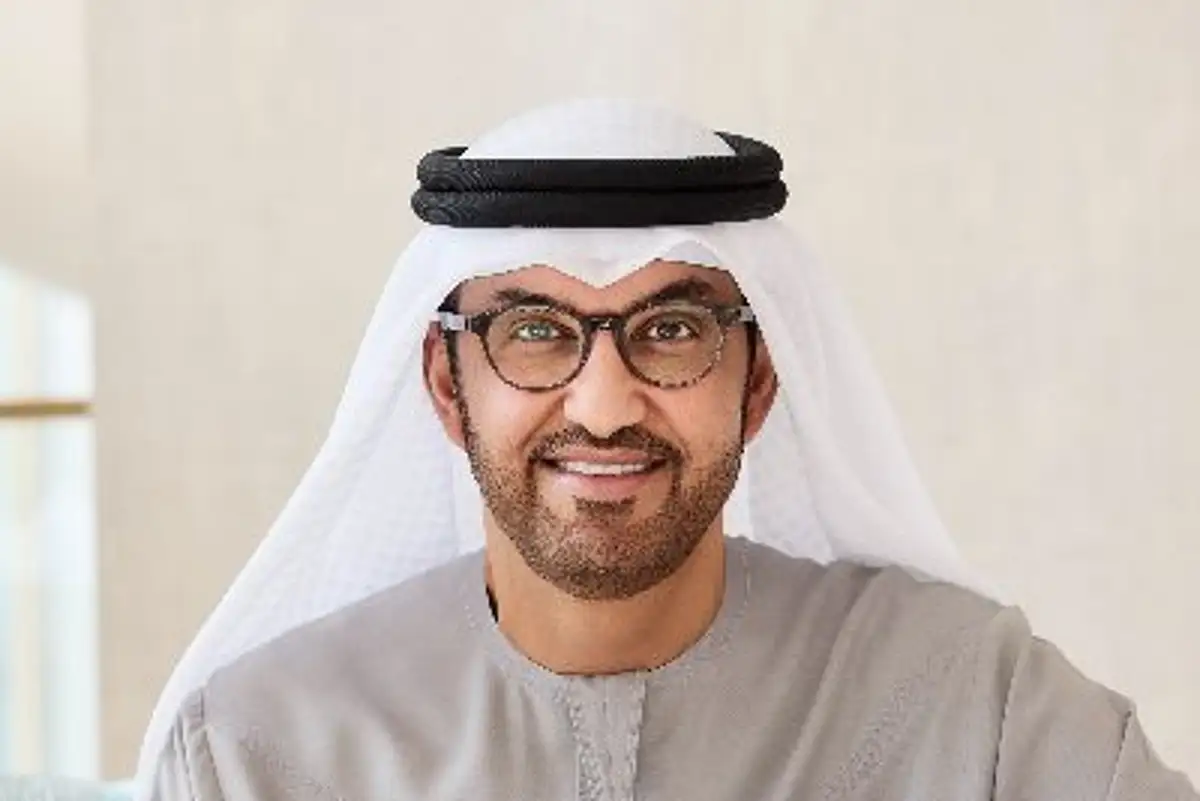
The UAE’s private sector was told on Monday that investing at home is “no longer an option” but a national priority, as the largest edition of Make it in the Emirates opened with a call to strengthen economic sovereignty, local manufacturing and industrial resilience. Dr Sultan Ahmed Al Jaber, UAE Minister of Industry and Advanced Technology and ADNOC Managing Director and Group CEO, said investing in the UAE is an “investment in our stability, our economic sovereignty, and the future of generations to come”. The message came as the UAE launched its largest industrial platform to date, backed by a Dh200-billion project pipeline, expanded procurement opportunities and new commitments to localise thousands of products across strategic sectors.
Expanded Procurement and Localisation Targets
Al Jaber announced that procurement opportunities under the National In-Country Value Programme will grow from Dh168 billion to Dh180 billion over the next decade, alongside the localisation of more than 5,000 products. Industrial exports have reached Dh262 billion, including Dh92 billion in advanced industrial exports, while the industrial sector’s national contribution has hit Dh200 billion, marking 70 per cent growth. The minister said manufacturing had become central to national strength. “Those who manufacture, own their decisions. Those who build, own their future. And those who combine both secure their sovereignty and resilience,” he said.
Warning on Strait of Hormuz and Freedom of Navigation
He also issued a strong warning on the Strait of Hormuz. “The Strait of Hormuz must never be held hostage or used as a tool of economic coercion and extortion,” Al Jaber said, in his clearest statement yet since regional tensions escalated. He added that freedom of international navigation “is non-negotiable and cannot be compromised,” warning that any change to the strait’s legal status “would constitute a dangerous and unacceptable precedent and a direct threat to global economic security.”
UAE’s Exit from OPEC and OPEC+
Al Jaber also addressed the UAE’s historic exit from Opec and Opec+, effective May 1, saying the decision “is not directed against anyone”. He described it as part of a broader vision connecting energy, technology and industry, giving the UAE greater flexibility to accelerate investment and create long-term value.
Energy Minister on Integration of Infrastructure and AI
Suhail bin Mohammed Al Mazrouei, Minister of Energy and Infrastructure, stated that ensuring energy security, efficient infrastructure and resilient supply chains is integral to development strategies for any strong economy. Speaking at the forum, the minister said the integration of energy, national industry and smart infrastructure is a key pillar for sustaining growth and reinforcing economic sovereignty, supported by initiatives such as the National In-Country Value Programme, local manufacturing and strategic domestic investment. He added that the platform, in its fifth edition, reflects a future full of opportunities for the UAE’s industrial sector, underpinned by a clear strategic vision and an advanced energy system aligned with AI adoption, infrastructure development and efficient supply chains.
Strategic Implications and Global Context
The event underscores the UAE’s drive to reduce reliance on foreign imports and build a self-sufficient industrial base, especially amid regional tensions and global supply chain disruptions. With the Dh200 billion project pipeline and expanded procurement, the government aims to anchor private capital in domestic manufacturing, from pharmaceuticals to advanced technology. The exit from OPEC signals a shift toward greater autonomy in energy policy, allowing the UAE to pursue its own production and investment strategies without multilateral constraints.
Outlook for the Industrial Sector
Make it in the Emirates 2026 attracted 140,000 visitors and 1,100 exhibitors, according to official figures, reflecting strong interest from both local and international players. The coming years will test whether the ambitious procurement targets and localisation goals translate into tangible industrial growth, as the UAE positions itself as a hub for advanced manufacturing and innovation. Al Jaber’s dual message — invest at home and protect strategic waterways — frames the UAE’s economic future as one that must be both prosperous and resilient.
The bottom line
- The UAE government is making domestic investment a national priority, backed by a Dh200 billion project pipeline and expanded procurement under the National In-Country Value Programme.
- Procurement opportunities will rise to Dh180 billion over the next decade, with over 5,000 products to be localized.
- Industrial exports have reached Dh262 billion, and the sector's contribution to the economy grew 70% to Dh200 billion.
- The UAE exited OPEC and OPEC+ on May 1, seeking greater flexibility in energy investment.
- Minister Al Jaber warned against any use of the Strait of Hormuz as a tool of economic coercion, calling freedom of navigation non-negotiable.
- The fifth edition of Make it in the Emirates drew 140,000 visitors and 1,100 exhibitors, signaling strong momentum.

Khaleej Times Digital Edition Replicates Print Experience for UAE Readers

Iran Drone Swarm Strikes ADNOC Tanker in Strait of Hormuz as UAE Issues Missile Alerts
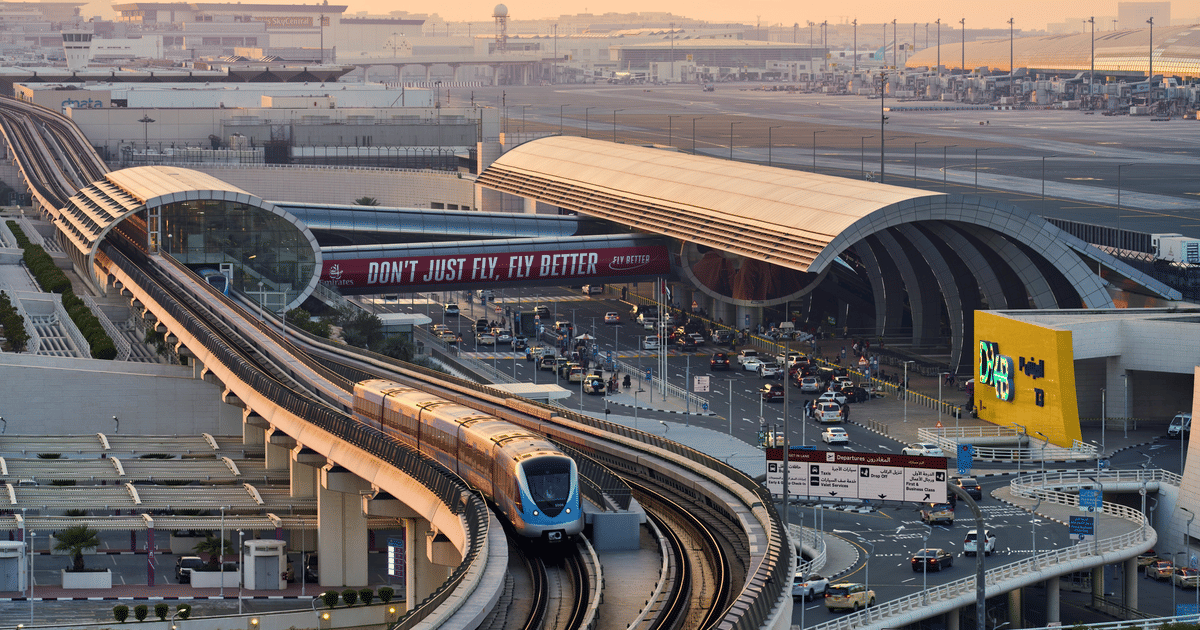
Dubai Airport Faced 114 Missile Alerts During Regional War, CEO Reveals