Abu Dhabi’s Unacknowledged Strikes and the Escalating Sands of the Persian Gulf
A secret assault on Iranian oil infrastructure has raised the specter of regional direct conflict, even as diplomatic efforts attempt to halt the escalating confrontation.

UAE —
Key facts
- The UAE reportedly struck an oil refinery on Iran’s Lavan Island in early April, an attack it has not publicly confirmed.
- During the conflict, the UAE faced missile and drone strikes from Iran, prompting a stated right to 'respond to hostile acts'.
- Kuwait captured at least four members of the Islamic Revolutionary Guard Corps attempting 'terrorist attacks' on Bubiyan Island.
- The cost of the conflict with Iran has risen to nearly $29 billion, an increase of about $4 billion over two weeks.
- Former Saudi ambassador Turki al-Faisal cautioned that open war between Israel and Iran could lead to regional 'devastation and destruction'.
- A ceasefire was announced around April 7, following a five-week air campaign, but remain precarious.
A Secret Strike Marks a Shift to Direct Combatancy
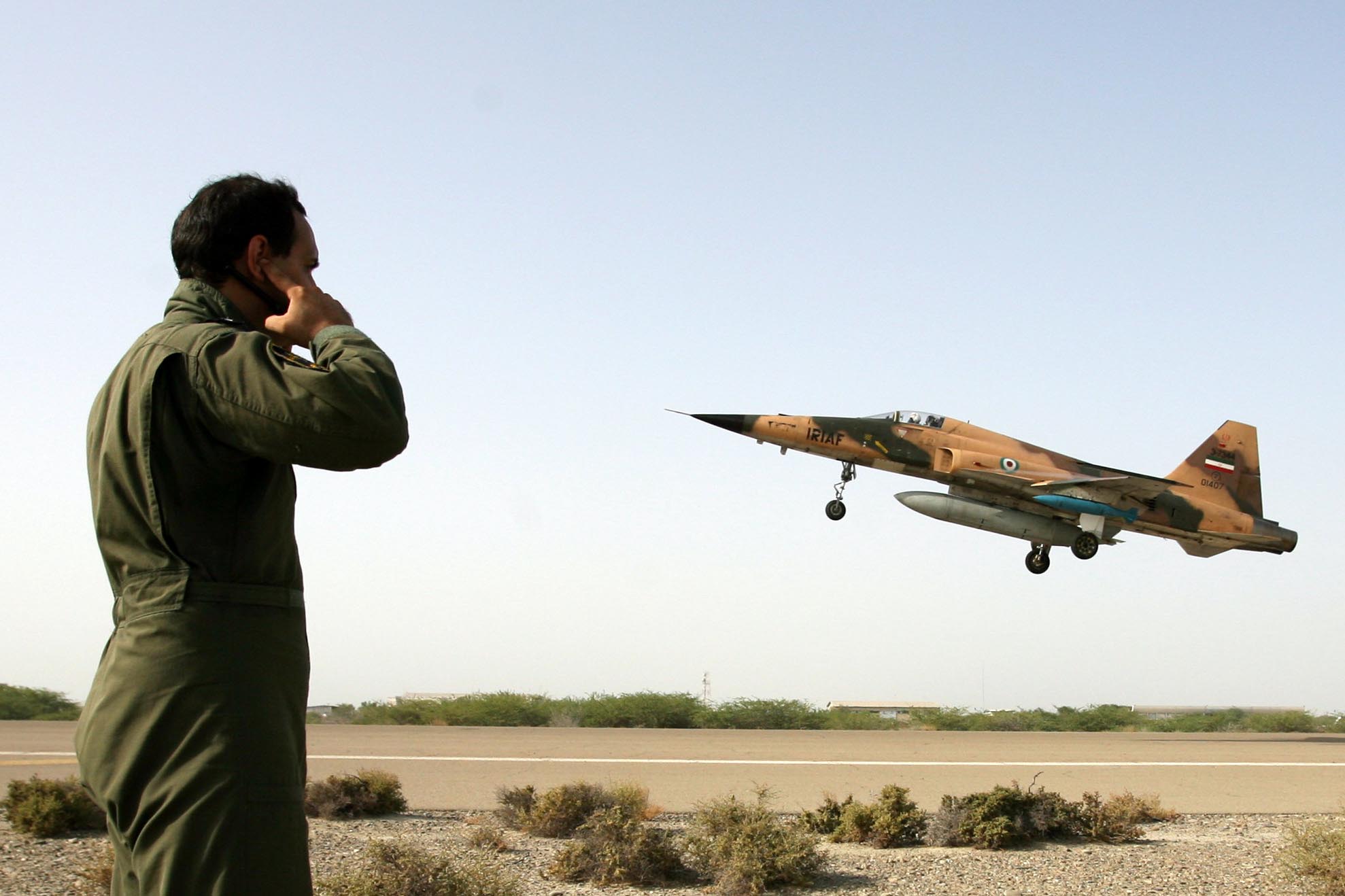
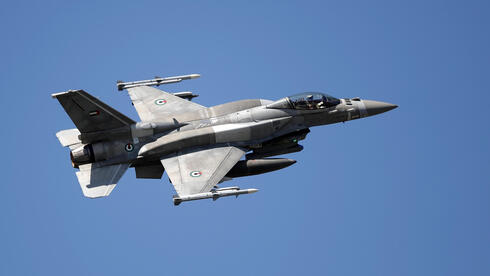
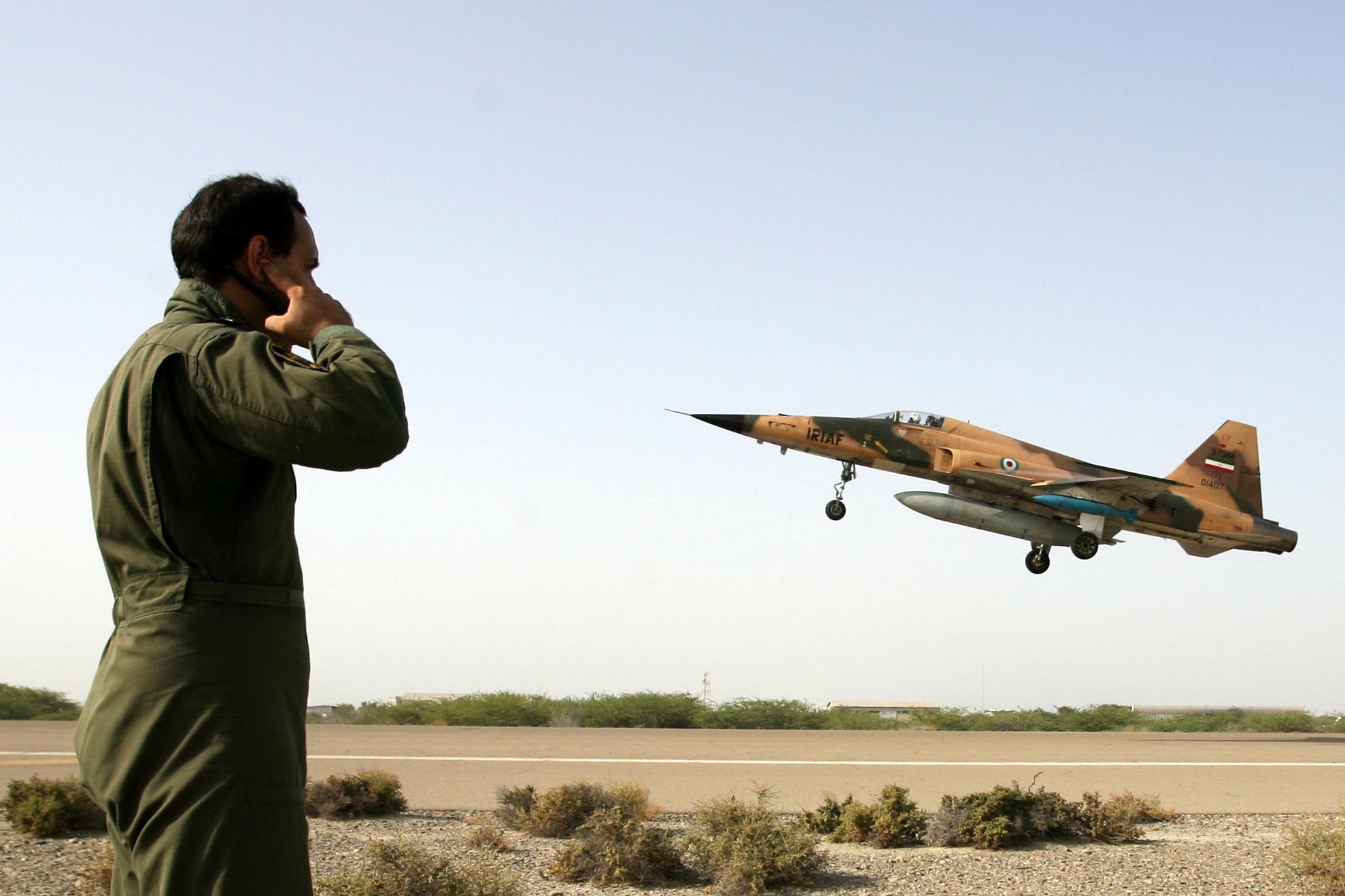
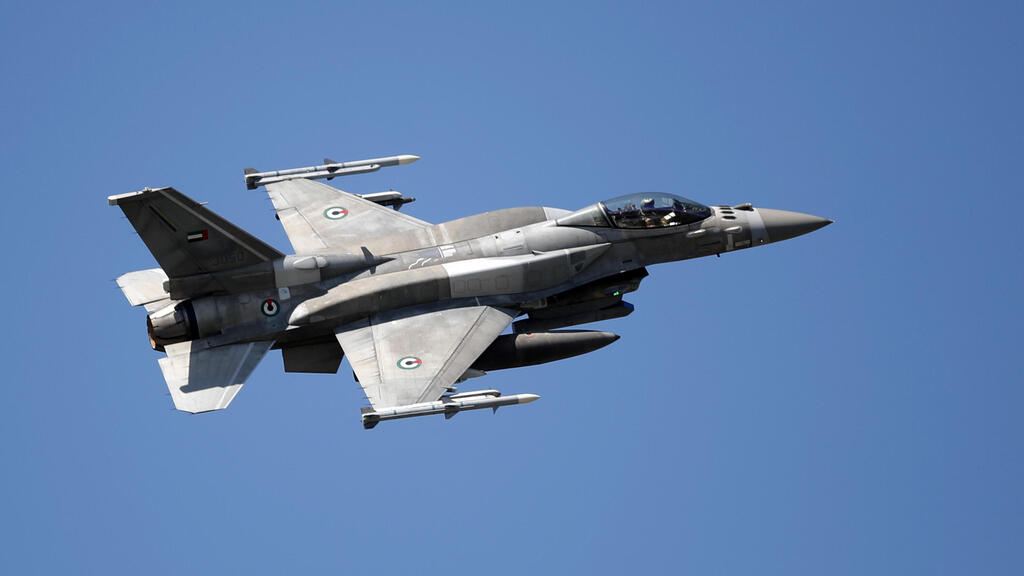
An unacknowledged airstrike on Iran’s Lavan Island in early April has repositioned the United Arab Emirates from target of the conflict to an active combatant. Sources indicate the assault targeted a refinery, sparking a major fire and taking substantial capacity offline for months. suggest that Abu Dhabi has been engaged in strikes against Iran, though the Emirati government has not issued a public confirmation. The nature of the operation points to a calculated military response, signaling a deepening entanglement for the Emirates in the wider regional tension. Crucially, the UAE has until now utilized its stated right to 'respond to hostile acts,' particularly following repeated missile and drone attacks it endured from Iran during the fighting.
The Strategic Web of Hostility and Retaliation
The military escalation follows a period where the UAE was disproportionately hit by Iranian missile and drone strikes, largely due to the overt diplomatic opposition expressed by its ruling elite. These attacks initially led the UAE to hint at mounting reprisal operations extending beyond merely defending its oil and port installations. The incident on Lavan Island occurred just before a ceasefire was announced around April 7, an event that marked the end of a five-week air campaign involving the US and Iran. This timing suggests the strike was a direct, rapid reprisal rather than a pre-planned, strategic operation. Even amid de-escalatory talks, the diplomatic tension remains palpable, highlighted by statements from various regional powers regarding the severity of the confrontation.
Gulf States' Positioning Amid Shaky Ceasefires
The fragile ceasefire between the United States and Iran hangs by a thread, particularly due to Iran's alleged failure to concede points sought by Washington regarding its nuclear program. This instability significantly heightens the regional risk profile for Gulf states. In the wake of renewed tensions, the potential for Gulf states becoming embroiled in direct conflict with Tehran increases. Simultaneously, Kuwait confirmed the capture of at least four members of the Islamic Revolutionary Guard Corps following alleged 'terrorist attacks' on the Kuwaiti-owned Bubiyan Island. Internationally, the deployment of defense systems has been visible; the US ambassador to Israel confirmed that Israel provided Iron Dome batteries and personnel to bolster UAE defenses.
Regional Caution and the Cost of War
The sheer financial burden of the military campaign has mounted dramatically. Pentagon figures show the cost of the war with Iran having climbed to nearly $29 billion, representing an increase of roughly $4 billion from the estimate provided two weeks prior. Diplomatic caution is advised by key regional players. Former Saudi ambassador Turki al-Faisal strongly advised against any Israeli plan that might ignite conflict between Saudi Arabia and Iran, warning that such an event would transform the region into a state of 'devastation and destruction'. He cautioned that an all-out war starting today would imperil multiple sectors of Saudi life, threatening the destruction of eastern oil facilities, striking desalination plants, catastrophically affecting the Hajj pilgrimage, and halting Vision 2030 projects.
US Response and Regional Military Power Plays
The US administration’s reaction to the unacknowledged strike was surprisingly muted. Officials noted that the US was 'not upset by the attack,' given that the ceasefire had not yet solidified, suggesting a quiet welcome for the participation of regional actors like the UAE. Earlier, former Defense Secretary James Mattis had nicknamed the UAE 'Little Sparta,' acknowledging its status as a regional military power backed by an advanced air force and intelligence service. Furthermore, Washington officials asserted confidence in the U.S. military capability, claiming the presence of Patriots capable of knocking down any incoming missiles.
The bottom line
- The unconfirmed strike on Lavan Island marks the UAE's shift to an active combat role, raising the stakes of the regional confrontation.
- The ceasefire, announced near the time of the assault, remains highly tenuous, contingent on Iran's perceived compliance with US demands.
- Regional figures, including Saudi Arabia, are sounding loud warnings against outright war, citing the catastrophic domestic consequences for Gulf economies and infrastructure.
- The conflict's cumulative cost has reached nearly $29 billion, demonstrating the rapid and escalating financial drain on global defense budgets.



Pakistan Dominates Bangladesh in Cricket Test Series Opener
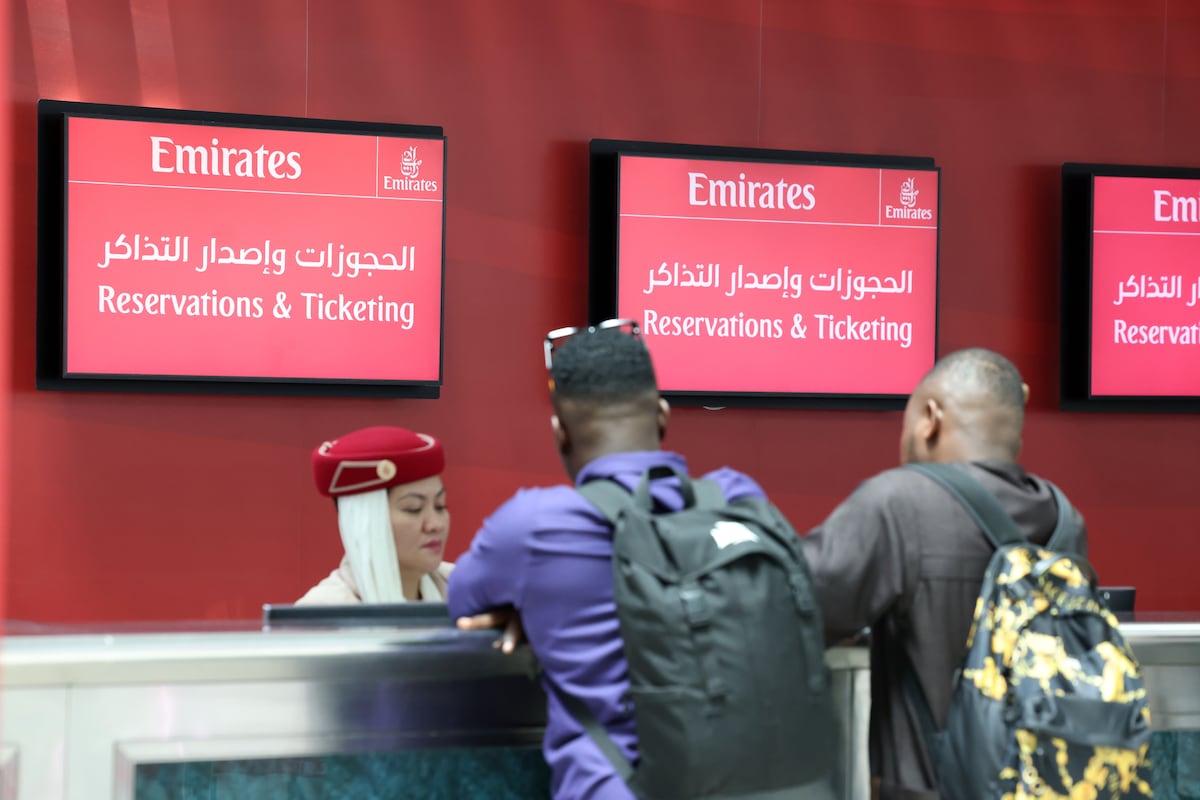
Emirates Awards 20-Week Bonus After Record Profit Amidst Regional Disruption

Iran Launches Drone and Missile Attacks on UAE