Iran Launches Drone and Missile Attacks on UAE
successful interception of threats amid escalating regional tensions.

UAE —
Key facts
- UAE air defenses intercepted missile and drone attacks from Iran on Friday.
- The US and Iran exchanged fire in the Strait of Hormuz.
- Iran accused the US of violating a ceasefire.
- US President Donald Trump described US strikes as a 'love tap'.
- Oil prices surged on Friday due to renewed hostilities.
- Approximately 1,500 ships and crews are trapped in the Gulf.
- New talks between Lebanon and Israel are scheduled for May 14-15.
UAE Reports Successful Defense Against Iranian Attacks
The United Arab Emirates announced on Friday that its air defense systems had successfully intercepted missile and drone attacks originating from Iran. The Emirati defense ministry confirmed the engagement, signaling a significant escalation in regional hostilities. This development occurred amidst a backdrop of heightened tensions and conflicting reports concerning the broader Middle East crisis. These attacks represent a direct challenge to the fragile stability in the region. The successful interception by the UAE's defenses, however, averted immediate damage and potential casualties. The incident underscores the volatile nature of the current geopolitical climate, with Iran and the US also exchanging fire in a critical waterway. The ongoing crisis has had tangible impacts on global trade and security. Concerns are mounting over the freedom of navigation in vital shipping lanes, particularly the Strait of Hormuz, a critical chokepoint for global oil supplies. The situation continues to evolve rapidly, with international actors closely monitoring developments.
US and Iran Exchange Fire in Strait of Hormuz
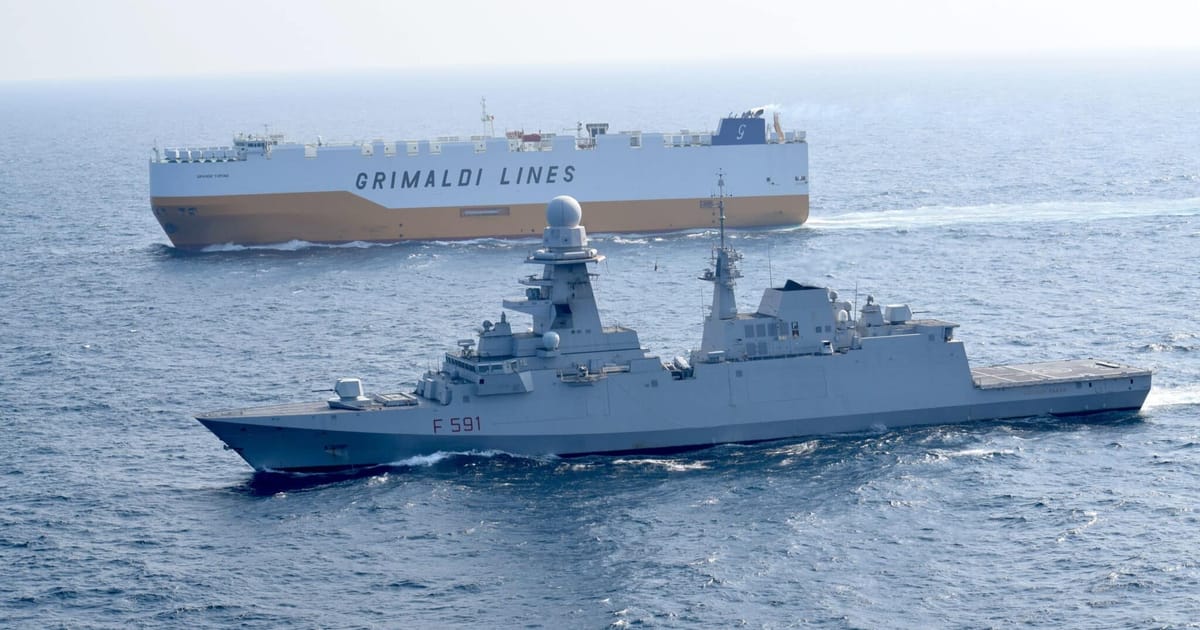
The conflict extended to the Strait of Hormuz, where the United States and Iran engaged in direct hostilities. Iran alleged that the US breached a month-long ceasefire by targeting two vessels within the waterway. In contrast, the US maintained that its actions were a response to "unprovoked" attacks by Iran on three American warships transiting the same strait on Thursday. This exchange casts a shadow over the existing ceasefire, which had largely held for the preceding month. Despite the renewed clashes, U.S. President Donald Trump characterized the American strikes as a "love tap." He also issued a stern warning, stating that the U.S. would retaliate with greater force if Iran did not swiftly agree to a peace deal, while simultaneously indicating that negotiations with Tehran were ongoing. Conflicting narratives emerged regarding the status of peace negotiations. President Trump expressed optimism, describing the talks as "very good" and a deal as "very possible." However, Iranian officials sought to temper these expectations, suggesting a more cautious outlook on the prospects for an immediate resolution.
Regional Instability Rattles Global Markets
The renewed confrontations between the U.S. and Iran in the Strait of Hormuz sent shockwaves through global financial markets on Friday. Stock markets experienced a significant downturn, while oil prices surged dramatically. The instability jolted hopes for a swift resolution to the conflict and the reopening of the vital waterway, which is crucial for international trade and energy security. Adding to the concerns about maritime security, Iran established a new government agency. This body is tasked with approving transit and collecting tolls from shipping vessels navigating the Strait of Hormuz, according to shipping data firm Lloyd’s List Intelligence. This move has fueled anxieties regarding the potential erosion of freedom of navigation, a principle fundamental to global commerce. The broader implications of the ongoing blockade in the Strait of Hormuz are substantial. The approximately 1,500 ships, along with their crews, are currently trapped in the Gulf due to Iran's actions. This situation highlights the severe disruption to global supply chains and the human cost of the escalating tensions.
Explosions Reported Near Bandar Abbas
Simultaneously, hearing loud noises and described defensive fire in western Tehran. In southern Iran, explosions were heard in the vicinity of Bandar Abbas, a key port city. These reports, though unconfirmed by international sources, suggest a widespread impact of the day's events across Iran. add another layer of complexity to the unfolding crisis. While the UAE confirmed successful interceptions of external threats, the domestic accounts suggest internal defensive measures or potential collateral effects of the heightened military activity. The conflicting information underscores the challenges in obtaining a clear and verified picture of the situation on the ground. The international community remains on edge, observing the escalating conflict. The implications for regional stability and global energy markets are profound, with the potential for further escalation looming.
Diplomatic Efforts Continue Amidst Escalation
In parallel to the military exchanges, diplomatic efforts are underway to de-escalate the situation. Lebanon and Israel are scheduled to hold a new round of talks in Washington on May 14 and 15. These discussions aim to forge a peace deal, despite a recent Israeli strike against Hezbollah, as confirmed by a U.S. official. Furthermore, U.S. Secretary of State Marco Rubio engaged in discussions with Pope Leo at the Vatican. The U.S. State Department indicated that their conversation focused on "efforts to achieve a durable peace in the Middle East." This diplomatic outreach highlights the international community's commitment to finding a peaceful resolution to the protracted conflict. These diplomatic initiatives are occurring against a backdrop of significant military tension. The success of these talks, particularly those involving Lebanon and Israel, could offer a glimmer of hope for broader regional stability. However, the direct confrontation between the U.S. and Iran in the Strait of Hormuz presents a formidable challenge to these peace-building endeavors.
The bottom line
- The UAE successfully intercepted missile and drone attacks launched from Iran.
- Renewed U.S.-Iran hostilities in the Strait of Hormuz have caused oil prices to surge.
- Iran's actions have led to approximately 1,500 ships being trapped in the Gulf.
- President Trump described U.S. strikes on Iran as a 'love tap' while continuing negotiations.
- New peace talks between Lebanon and Israel are scheduled for mid-May in Washington.
- The geopolitical instability poses a significant threat to global trade and freedom of navigation.


Pakistan Dominates Bangladesh in Cricket Test Series Opener
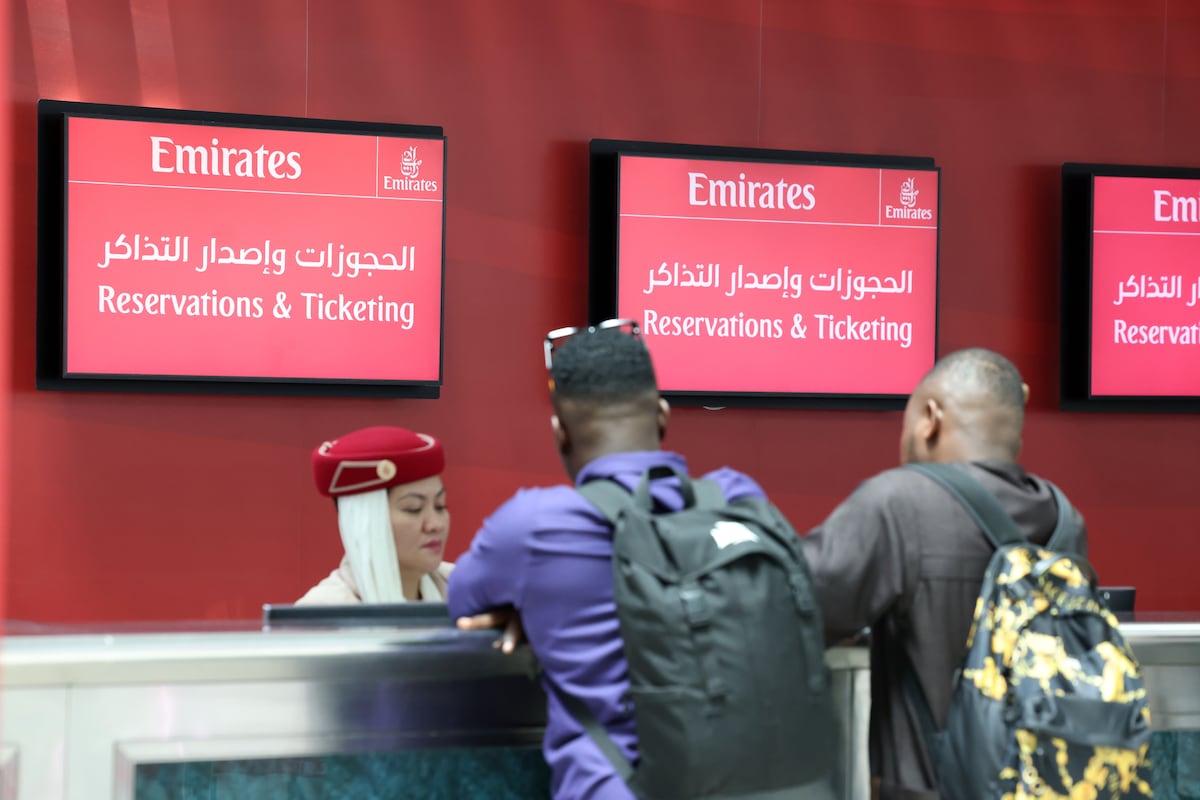
Emirates Awards 20-Week Bonus After Record Profit Amidst Regional Disruption
Iranian Drone Strike Sets UAE Oil Refinery Ablaze, Injures Three
