Iranian Drone Strike Sets UAE Oil Refinery Ablaze, Injures Three
The attack on Fujairah port, which Iran denies, threatens a fragile ceasefire and sends oil prices soaring as the US begins escort missions through the Strait of Hormuz.
UAE —
Key facts
- Three Indian nationals injured in drone and missile attack on Fujairah port.
- UAE air defenses intercepted 12 ballistic missiles, 3 cruise missiles, and 4 drones from Iran.
- Fire erupted at an oil refinery in the Fujairah Petroleum Industries Zone.
- Brent crude futures surged 5.8% to $114.44 a barrel on Tuesday.
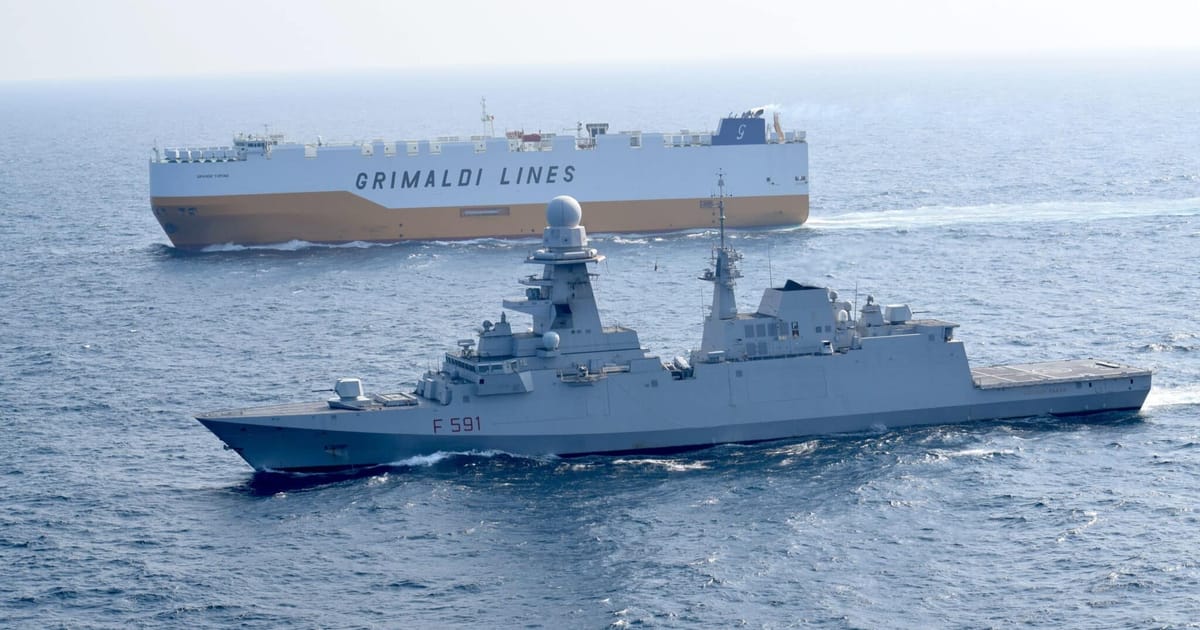
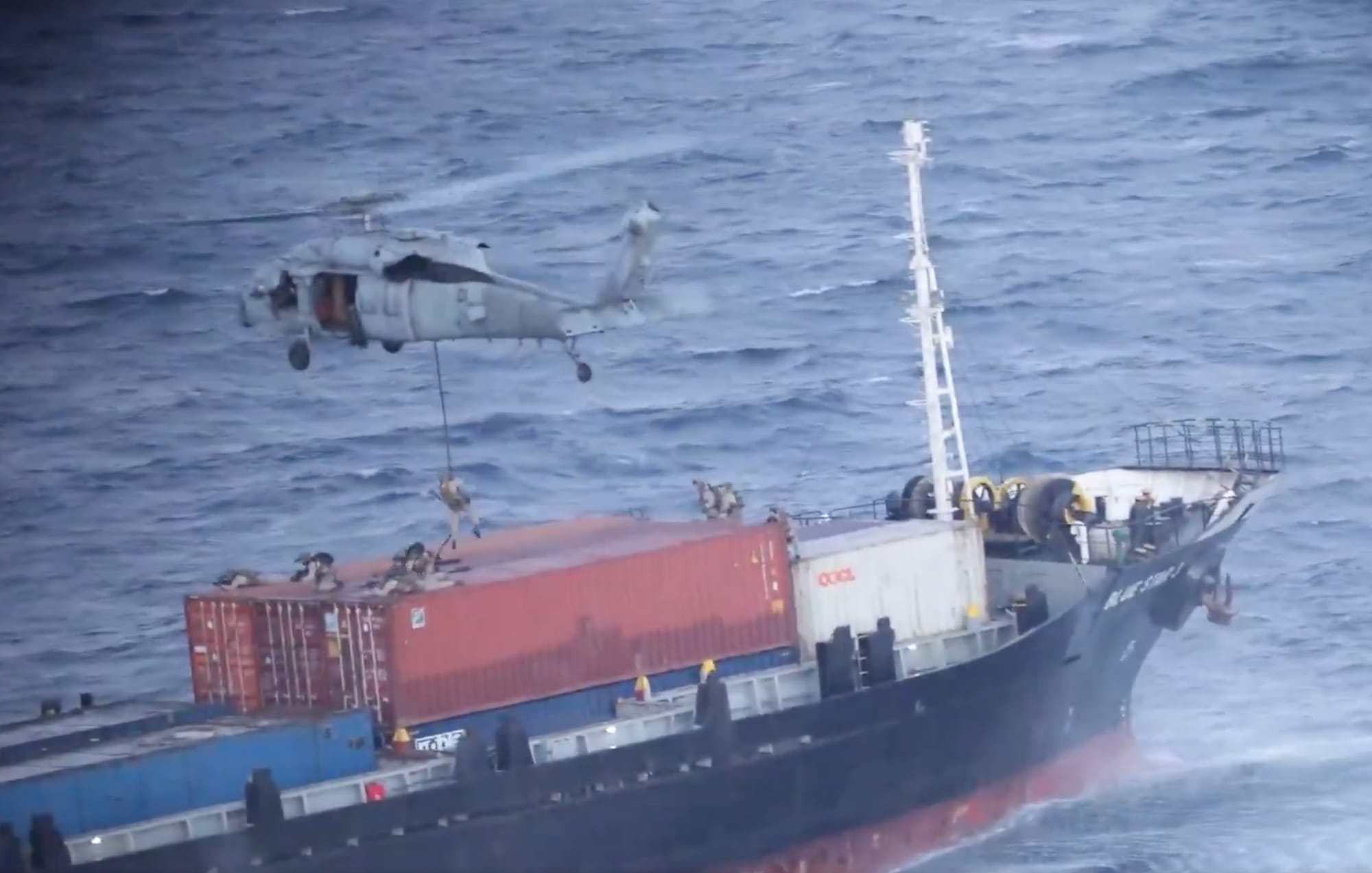
- US Navy destroyed six Iranian small boats and intercepted cruise missiles and drones.
- Habshan-Fujairah pipeline can carry 1.5 million barrels of oil per day, bypassing Hormuz.
- Strait of Hormuz effectively closed since US-Israeli attacks began on February 28.
- French President Macron condemned the strikes as 'unjustified and unacceptable.'
Attack on Fujairah Port Breaches Ceasefire
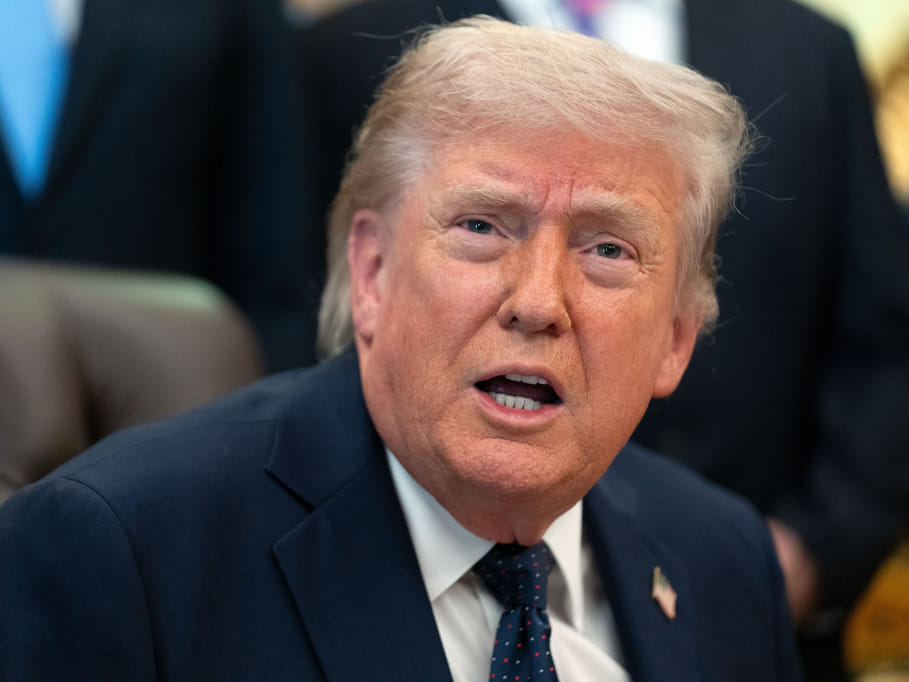
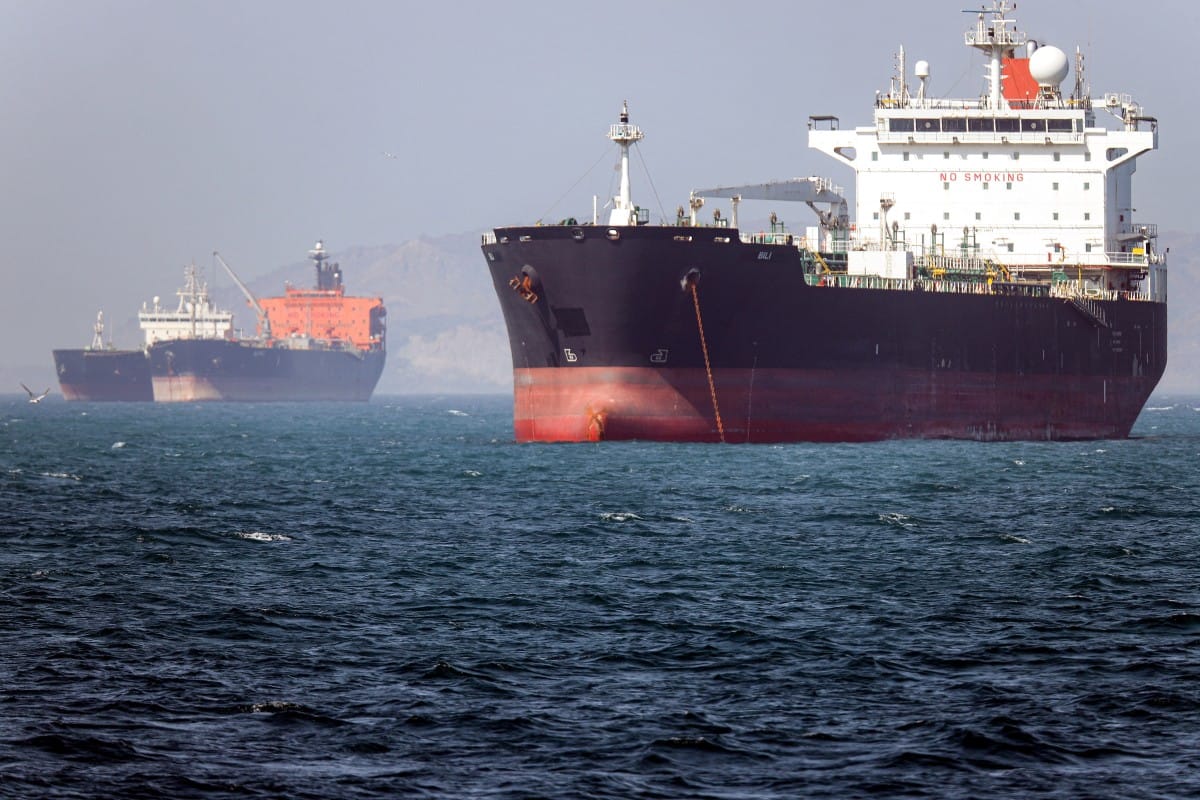
A drone strike originating from Iran ignited a blaze at an oil refinery in the Fujairah Petroleum Industries Zone on Monday, injuring three Indian nationals and marking the first major attack on the United Arab Emirates since a fragile US-Iran ceasefire took effect on its air defenses engaged a barrage of 12 ballistic missiles, three cruise missiles, and four drones launched from Iran over the course of the day. The attack targeted the port of Fujairah, a strategic deep-sea facility on the Gulf of Oman that lies approximately 70 nautical miles outside the Strait of Hormuz. The strike comes amid renewed clashes in the strategic waterway, where US forces destroyed six Iranian small boats and intercepted Iranian cruise missiles and drones on Monday. President Donald Trump warned that Iranian forces would be 'blown off the face of the Earth' if they target US ships in the Strait of Hormuz or the broader Arabian Gulf. The ceasefire, already fragile, now appears on the verge of collapse as both sides exchange fire.
Oil Markets Reel as Hormuz Closure Bites
The attack sent shockwaves through global oil markets, with benchmark Brent crude futures surging 5.8% to $114.44 a barrel on Tuesday, up $6.27. Murban crude also climbed 3.4% to $107.30. The Strait of Hormuz, through which 20 percent of the world's oil and liquefied natural gas supplies are shipped in peacetime, has been effectively closed since US-Israeli attacks started on February 28, with Iran threatening to attack any vessels attempting passage. The closure has created a 'double blockade': Iran cannot export its own oil due to a US naval blockade, while its threats over Hormuz choke seaborne trade for the rest of the world. On Monday, Trump announced that US forces would begin escorting stranded ships through the strait, a direct challenge to Iran's closure. Shipping company Maersk confirmed that one of its US-flagged vessels successfully exited the strait under US military escort.
Fujairah Port's Strategic Role in Bypassing Hormuz
Fujairah port serves as the terminus of the Habshan-Fujairah oil pipeline, also known as the Abu Dhabi Crude Oil Pipeline (ADCOP). This 380-kilometer pipeline, which became operational in 2012, runs from the Habshan oil field in southwestern Abu Dhabi to the port, carrying up to 1.5 million barrels of oil per day. The pipeline is one of the key routes in the Middle East that producers may turn to as they seek to offset the disruption caused by the closure of the Strait of Hormuz. The port itself is a multipurpose deep-sea facility located about 130 kilometers east of Dubai, on the Gulf of Oman. Its location outside the strait makes it a vital alternative for oil exports, and the attack underscores Iran's willingness to target infrastructure that could undermine its leverage over the waterway. This is not the first time Fujairah has been targeted: on April 6, authorities reported a drone approaching from Iran towards a telecommunications building, though no injuries were reported.
International Condemnation and Regional Fallout
French President Emmanuel Macron condemned the Iranian strikes as 'unjustified and unacceptable' in a post on X, pledging continued French support for the UAE and regional allies. 'As it has done since the start of the conflict, France will continue to support its allies in the Emirates and in the region for the defence of their territory,' Macron wrote. The attack also drew condemnation from Palestine, which denounced the Iranian assault on the UAE. military officials blamed the attacks on 'US military's adventurism,' suggesting Tehran views the escalation as a response to American actions. The UAE, which has been a key player in regional diplomacy, now faces a direct threat to its territory, complicating its position as a mediator between the US and Iran.
Escalation Risks and the Fragile Ceasefire
The attack on Fujairah raises the stakes in a conflict that has already caused widespread economic disruption. The closure of the Strait of Hormuz has sent oil and fertiliser prices surging, prompting fears of a global recession and food crisis. The US Navy's escort mission and the destruction of Iranian boats signal a hardening of positions on both sides. It remains uncertain whether the ceasefire can hold. Trump's warning to 'blow off the face of the Earth' any Iranian vessel targeting US military assets underscores the high stakes. The UAE, which has invested heavily in diversifying its economy and positioning itself as a stable hub, now finds itself on the front line of a confrontation that could escalate further.
What Comes Next: Open Questions and Regional Dynamics
The attack on Fujairah leaves several open questions. Will Iran continue to target UAE infrastructure, or was this a one-off strike? Can the US escort mission succeed in reopening the Strait of Hormuz without triggering a broader war? And how will the UAE, which has maintained diplomatic ties with both Washington and Tehran, navigate this crisis? The UAE marked 50 years of Armed Forces unification with a focus on readiness and defence amid the Iranian attacks, signalling its determination to protect its sovereignty. The coming days will be critical in determining whether the fragile ceasefire can be salvaged or whether the region slides into a wider conflict.
A Region on the Brink
The drone strike on Fujairah is a stark reminder of the volatility that continues to grip the Middle East. With oil prices soaring, global supply chains under threat, and a ceasefire hanging by a thread, the stakes could not be higher. The UAE, a nation that has long prided itself on stability and openness, now faces a direct challenge to its security. As the US and Iran trade blows, the world watches anxiously. The Strait of Hormuz remains the choke point, and the battle for control of this strategic waterway is far from over. For now, the UAE counts its wounded and assesses the damage, while the international community holds its breath.
The bottom line
- Iran launched a drone and missile attack on Fujairah port, injuring three and setting an oil refinery ablaze, breaching the April 8 ceasefire.
- The UAE air defenses intercepted 19 projectiles, but the attack underscores the vulnerability of critical infrastructure outside the Strait of Hormuz.
- Oil prices surged over 5% as the Strait of Hormuz remains effectively closed, with the US beginning escort missions to reopen it.
- The Habshan-Fujairah pipeline, capable of carrying 1.5 million bpd, offers an alternative route but is now a target.
- International condemnation, including from France and Palestine, highlights the diplomatic isolation of Iran's actions.
- The fragile ceasefire between the US and Iran is at risk of collapse, with both sides exchanging fire and issuing threats.


Khaleej Times Digital Edition Replicates Print Experience for UAE Readers

Iran Drone Swarm Strikes ADNOC Tanker in Strait of Hormuz as UAE Issues Missile Alerts
Dubai Airport Faced 114 Missile Alerts During Regional War, CEO Reveals