UAE Intercepts Iranian Missiles for Second Day as Iran Denies Involvement
The attacks, which struck civilian sites and an oil facility, have drawn widespread international condemnation and heightened fears of a broader conflict.

UAE —
Key facts
- missile and drone attacks for a second consecutive day.
- Iran's IRGC denied any involvement, calling the UAE claims 'absolutely denied and devoid of any truth'.
- At least three people were injured in the first day of strikes; a drone caused a fire at an oil facility in Fujairah.
- World leaders including Egypt, Jordan, Saudi Arabia, and the UK condemned the attacks as violations of sovereignty.
- The US launched 'Project Freedom' to guide vessels through the Strait of Hormuz on Monday.
- Iran has effectively taken control of the strait in retaliation for joint US-Israeli strikes in late February.
- The US imposed a naval blockade on Iranian ports on April 13, limiting Tehran's oil exports.
- Iran claimed to have fired on US warships on Monday, but US Central Command denied any hits.
Second Day of Attacks on UAE
The United Arab Emirates has come under attack from Iranian missiles and drones for the second day in a row, according to its Defence Ministry. The results of the latest attack were not immediately clear. The escalation comes a day after at least three people were injured in strikes, and a drone sparked a fire at a key oil facility in the eastern emirate of Fujairah.
Iran Denies Responsibility
Iran’s Islamic Revolutionary Guards Corps (IRGC) said late on Tuesday that the country’s forces 'have not carried out any missile or drone operations against the UAE in recent days'. In a statement carried by the Fars news agency, the IRGC added: 'If any action had been taken, we would have announced it firmly and clearly. Therefore, the report of that country’s Ministry of Defense is absolutely denied and is devoid of any truth.'
International Condemnation and Support for UAE
World leaders have united in condemning the Iranian attacks on civilian sites in the UAE. UAE President Sheikh Mohamed bin Zayed Al Nahyan received calls from President Abdel Fattah El Sisi of Egypt, King Abdullah II of Jordan, King Hamad bin Isa Al Khalifa of Bahrain, Crown Prince Mohammed bin Salman of Saudi Arabia, and Emir Tamim bin Hamad Al Thani of Qatar, all of whom condemned the attacks as violations of sovereignty and international law. Nechirvan Barzani of the Kurdistan Region of Iraq also conveyed his condemnation. The United Kingdom, Germany, France, Belgium, Canada, New Zealand, and many other nations issued strong condemnations, with Paris describing the strikes as 'unjustified and unacceptable'. Institutional bodies including the Gulf Cooperation Council, League of Arab States, European Union, and Arab Parliament also denounced the attacks.
Escalation Amid Strait of Hormuz Tensions
The attacks come amid a dramatic escalation in the Strait of Hormuz, through which about a fifth of global energy exports pass. In retaliation for joint US-Israeli strikes on Iran in late February, Iranian forces have effectively taken control of the strait by attacking or threatening vessels attempting to cross without Tehran’s permission. This has triggered a global energy shock, pushing oil and gas prices to multi-year highs. The US responded by imposing a naval blockade on Iranian ports and shipping on April 13, limiting Tehran’s ability to export oil, import essential goods, and maintain foreign-exchange inflows.
US-Iran Military Clashes
On Monday, hours after Washington’s 'Project Freedom' operation was due to begin, Iranian forces said they had fired on US warships. US Central Command denied that any vessels had been hit but confirmed that Iran launched cruise missiles at US naval assets and US-flagged commercial ships. US forces said they had destroyed six Iranian small boats, as well as incoming missiles and drones. The confrontation has raised fears of a return to war between Iran and the US.
Wider Regional and Global Implications
The international response, in its scale and clarity, amounts to a collective warning against further escalation. Religious and international bodies, including the Muslim World League, denounced the strikes as violations of international law and humanitarian norms. The attacks have reinforced that the protection of civilians, respect for sovereignty, and adherence to international law remain non-negotiable principles. The UAE, a key US ally and global energy hub, now finds itself on the front line of a conflict that threatens to destabilize the entire region.
Uncertainty and Ceasefire Fears
Despite the attacks, Iran has denied involvement, and an analyst blamed the US blockade and the UAE's 'puppet' role in Hormuz for the tensions. The ceasefire between Iran and the US appears increasingly fragile, with Trump threatening Iran and world leaders urging restraint. The coming days will be critical in determining whether the situation de-escalates or spirals into a broader war.
The bottom line
- The UAE has faced two consecutive days of missile and drone attacks, which Iran denies orchestrating.
- At least three people were injured, and an oil facility in Fujairah was set ablaze by a drone.
- The attacks have drawn condemnation from a wide range of countries and international organizations.
- The strikes are part of a broader escalation over the Strait of Hormuz, where Iran has asserted control.
- The US naval blockade and 'Project Freedom' have heightened tensions, with direct clashes between US and Iranian forces.
- The crisis threatens to undermine the fragile ceasefire between Iran and the US and could lead to a wider war.



Khaleej Times Digital Edition Replicates Print Experience for UAE Readers

Iran Drone Swarm Strikes ADNOC Tanker in Strait of Hormuz as UAE Issues Missile Alerts
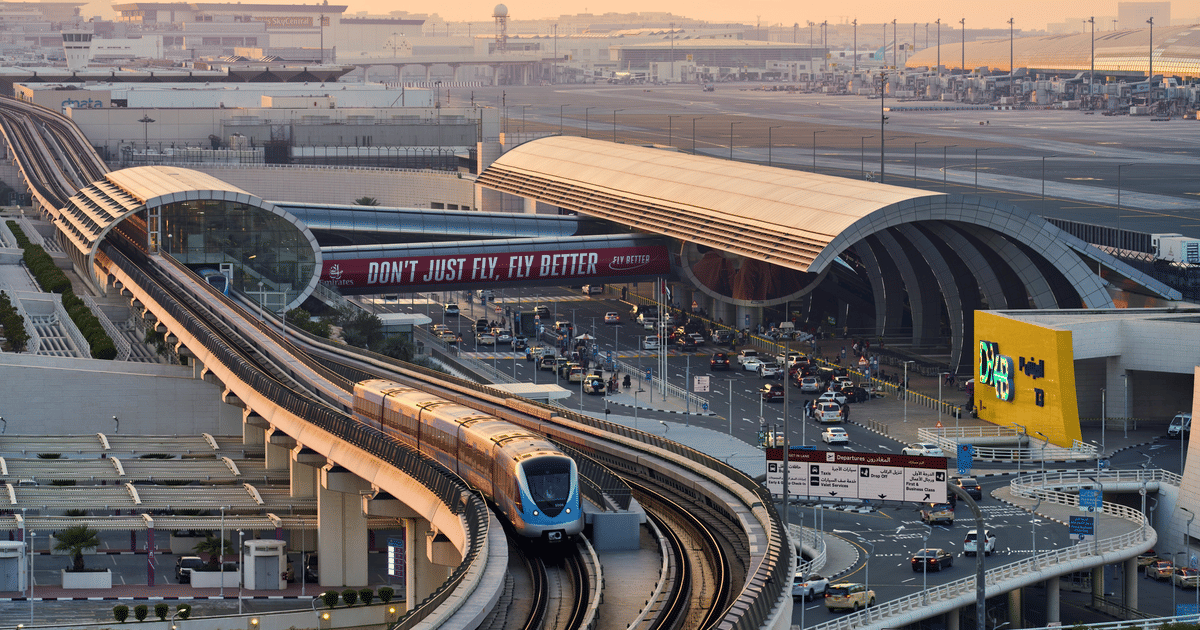
Dubai Airport Faced 114 Missile Alerts During Regional War, CEO Reveals