Artemis II Crew Returns After Historic 10-Day Lunar Flyby, Paving Way for Moon Landings
The four astronauts splashed down in the Pacific on April 10, completing the first crewed moon mission in over half a century and setting the stage for Artemis III.

AUSTRALIA —
Key facts
- Artemis II launched April 1, 2025, at 6:35 p.m. ET from Kennedy Space Center.
- The crew traveled 695,081 miles on a 10-day journey around the Moon.
- Splashdown occurred April 10 at 8:07 p.m. ET in the Pacific Ocean.
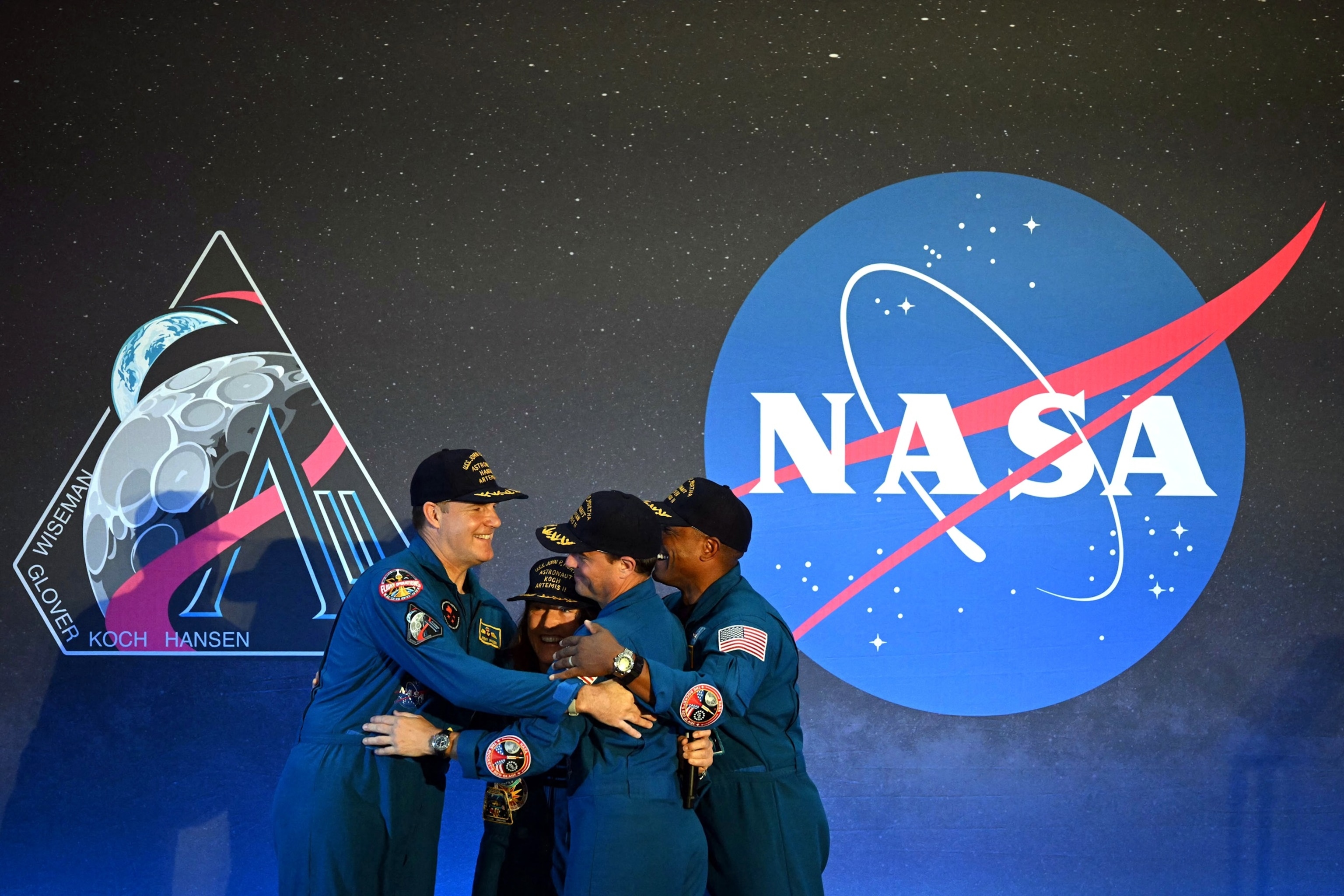
- Crew members: NASA astronauts Reid Wiseman, Victor Glover, Christina Koch, and CSA astronaut Jeremy Hansen.
- NASA Administrator Jared Isaacman welcomed the crew, calling the mission the 'opening act' of America's return to the Moon.
- The crew named a lunar crater after Wiseman's wife during the flyby.
- Artemis II is the first crewed flight of NASA's Orion spacecraft.
- The mobile launcher has been moved to the Vehicle Assembly Building for Artemis III preparations.
A Historic Splashdown Ends a Decade-Long Wait
The Artemis II crew splashed down in the Pacific Ocean at 8:07 p.m. ET on Friday, April 10, concluding a 10-day, 695,081-mile journey around the Moon. The capsule’s descent was textbook, NASA officials said, as the four astronauts were hoisted into helicopters and transported to the recovery ship. NASA Administrator Jared Isaacman welcomed the crew back at a ceremony at the Johnson Space Center in Houston on Saturday. 'Welcome home, Artemis,' he said, as the astronauts took the stage in blue flight suits to cheers and applause. The mission, Isaacman declared, was the 'opening act' in America's return to the Moon.
The Crew’s Emotional Return and Unseen Lunar Vistas
In emotional remarks, the crew thanked their families, NASA leadership, God, and each other. They described sights that no human has ever seen, including the far side of the Moon. The astronauts captured unique images of the Moon's 'dark side' during the flyby, which are expected to be released in the coming days and weeks. One of the most moving moments came when the crew named a crater after Reid Wiseman's wife, a gesture that underscored the human dimension of the mission. 'You could hear the crackle of emotion in the astronauts' voices,' a science correspondent noted, adding that the images will be analyzed to reveal features and terrain never before documented.
Mission Details: A 10-Day Journey Around the Moon
Artemis II lifted off on April 1 at 6:35 p.m. ET from Launch Pad 39B at the Kennedy Space Center in Florida. The four-person crew — NASA astronauts Reid Wiseman, Victor Glover, Christina Koch, and Canadian Space Agency astronaut Jeremy Hansen — traveled aboard the Orion spacecraft, which provided all essentials for deep space life, including daily exercise using a device called the flywheel. During the mission, the crew completed a lunar flyby, traveling beyond the far side of the Moon. The spacecraft’s systems performed nominally, and engineers have begun analyzing data from the Orion, the Space Launch System rocket, and ground systems to assess performance.
The Road to Artemis III: Next Steps for NASA
Following the successful test flight, NASA’s mobile launcher was rolled back from Launch Pad 39B to the Vehicle Assembly Building at Kennedy Space Center, a 4-mile trek, in preparation for Artemis III. That mission, targeted for next year, aims to land astronauts on the lunar surface for the first time since Apollo 17 in 1972. Teams at Kennedy are shifting focus to stacking the Space Launch System rocket for Artemis III. The Artemis program, launched in 2022 with the uncrewed Artemis I mission, is designed to enable human exploration of the Moon and eventually crewed missions to Mars.
Scientific and Strategic Implications
The mission’s imagery and data are expected to provide insights into the Moon’s geological history, including features that record the early history of Earth. The astronauts’ views of the far side, in particular, will be analyzed for clues about lunar formation. Beyond science, the Artemis program is part of a broader geopolitical context: America is in a space race with China, which aims to land its first crew on the Moon by 2030. The impetus for establishing a lunar base is driven by this competition, as well as by the potential for economic benefits and scientific discovery.
What Comes Next: A New Era of Lunar Exploration
Artemis II is not the end of the story but a test flight for many more missions to come. NASA plans to send astronauts on increasingly difficult missions, culminating in a sustained human presence on the Moon. The agency is also exploring innovative technologies, such as using drones to explore the lunar south pole and fiber-optic cables to detect moonquakes. For the crew, the journey has been transformative. As one astronaut put it, they have seen sights that no human has ever seen. The images they brought back will be studied for years, offering a record of the Moon’s surface and a glimpse of what lies ahead for human exploration.
The bottom line
- Artemis II successfully completed the first crewed lunar flyby in over 50 years, splashing down on April 10 after a 10-day mission.
- The four astronauts — Wiseman, Glover, Koch, and Hansen — traveled 695,081 miles and captured unprecedented images of the Moon's far side.
- NASA Administrator Jared Isaacman hailed the mission as the 'opening act' of America's return to the Moon.
- Preparations for Artemis III, which aims to land astronauts on the Moon, are underway with the mobile launcher moved to the Vehicle Assembly Building.
- The mission provides critical data for future lunar exploration and underscores the strategic competition with China in space.
- The crew’s emotional homecoming and the release of their images will continue to inspire public interest in space exploration.

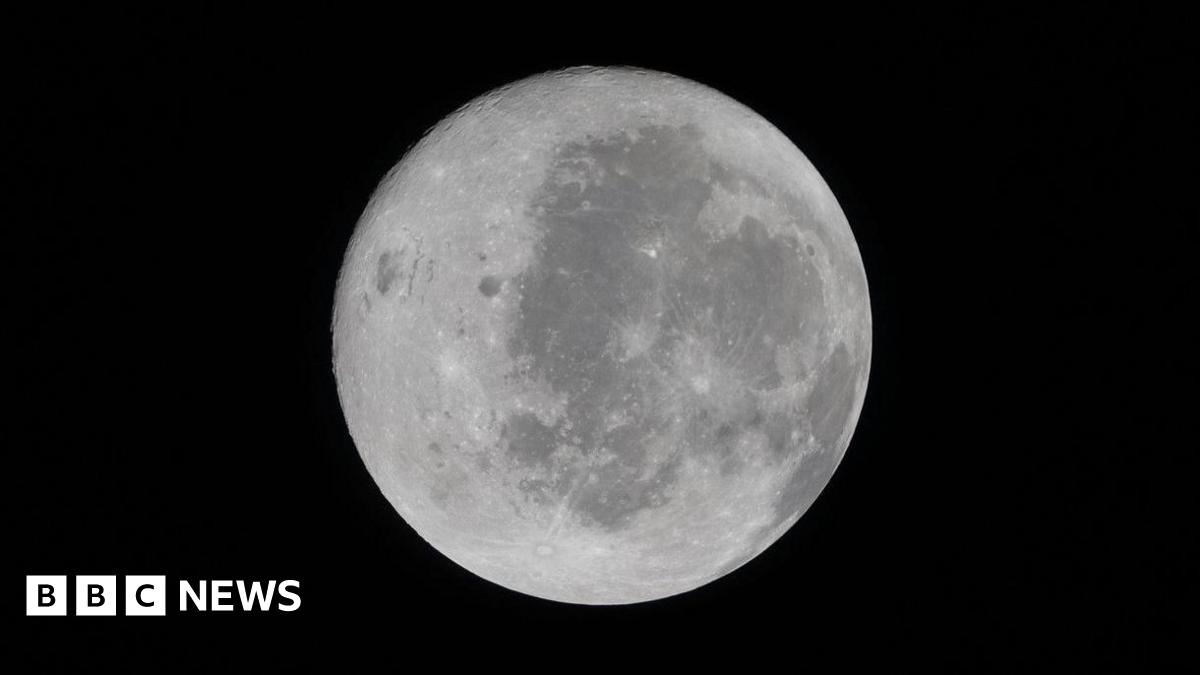




May's Sky Delivers Two Full Moons: Flower Moon and Rare Blue Moon
May 2026 Brings Two Full Moons and a Meteor Shower from Halley's Comet
May 2026 Brings Two Full Moons, Including a Rare Blue Moon, and the Eta Aquarid Meteor Shower
