Pistons' Ausar Thompson Faces Contract Crossroads Amidst Playoff Spotlight
The young wing's defensive prowess against NBA stars could redefine his future earnings and the team's roster strategy.
AUSTRALIA —
Key facts
- Ausar Thompson is eligible for a contract extension after his third NBA season.
- Thompson averaged over two steals and two blocks per playoff game.
- He has been tasked with guarding Donovan Mitchell and James Harden in the current series.
- Harden and Mitchell shot 1-for-4 from three-point range when Thompson was the primary defender.
- Negotiations for an extension could begin around $25 million per season for four years.
- His potential salary could rise to over $30 million per season if he continues strong play.
- Ron Holland returned to the rotation against the Cleveland Cavaliers, playing ten minutes.
A Defining Postseason for Ausar Thompson
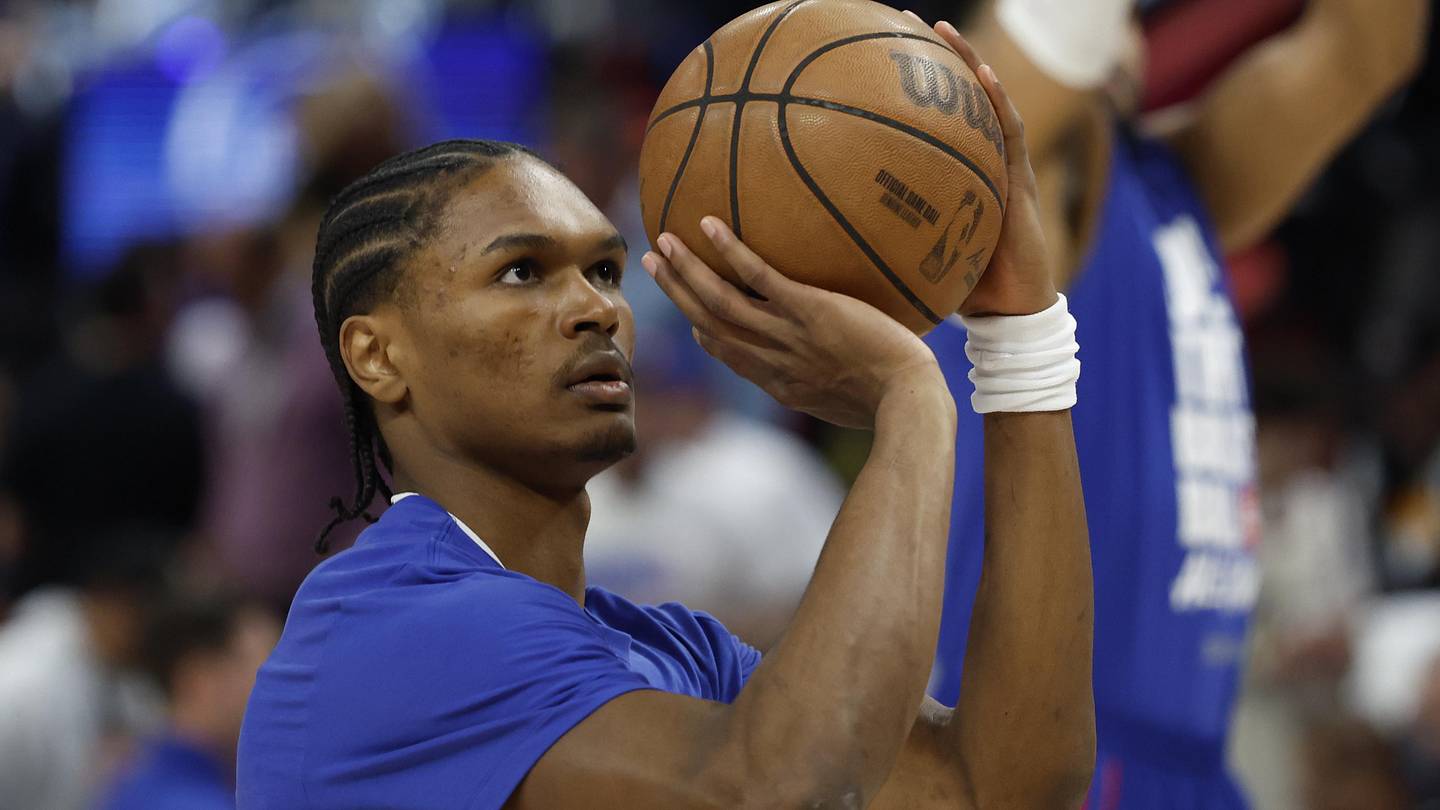
The Detroit Pistons face a critical summer, with contract extensions looming for key players. While Jalen Duren's restricted free agency has drawn attention, Ausar Thompson's upcoming contract negotiations are equally pivotal for the team's long-term vision. Though under contract for another season, the terms of a potential extension will significantly shape the Pistons' roster construction. Thompson, like his draft peers, becomes eligible for an extension once he completes his third year in the league. Securing his future with the franchise is a priority, but the annual average salary will be a central point of discussion. The trajectory of the Pistons' current playoff run is poised to be a major influence on these discussions. In the ongoing second-round series against the Cleveland Cavaliers, Thompson has been assigned a demanding defensive assignment. He has spent significant portions of games guarding both Donovan Mitchell and, when Mitchell is off the court, James Harden. This high-stakes role offers a prime opportunity for Thompson to demonstrate his value.
Defensive Acumen on Full Display
The impact of Thompson's defensive efforts is quantifiable. NBA.com tracking data reveals that Harden and Mitchell combined for a mere 1-for-4 shooting from three-point range when Thompson was their primary defender. This defensive intensity follows a pattern established in the first round, where Thompson was instrumental in neutralizing Desmond Bane, a finalist for Defensive Player of the Year. Across the playoffs, Thompson is averaging more than two steals and two blocks per game, marking one of the most productive individual defensive performances in recent memory. His ability to provide help defense at the rim and force turnovers on the perimeter has been a cornerstone of the Pistons' success. Consequently, Detroit boasts the second-best defense in the postseason, with a defensive rating of 103.8. The series against the Cavaliers presents an ongoing showcase for Thompson to solidify his worth. Despite the offensive prowess of Harden and Mitchell, they can be susceptible to opponents with size, physicality, and athleticism – attributes Thompson possesses in abundance. Continued success in slowing down these All-Stars will only bolster his case for a lucrative extension.
Projected Contract Value and Future Implications
Should Thompson's playoff performance continue at its current level, his contract negotiations could begin with projections of a deal worth approximately $25 million per season over four years. This figure could escalate significantly if the Pistons advance further in the postseason with Thompson playing a crucial role. Reaching the Conference Finals with Thompson as a key contributor would place considerable pressure on the Pistons' front office to meet his salary demands. If his Game 1 performance is indicative of his potential, his deserved annual average salary could easily surpass $30 million. Furthermore, if Thompson demonstrates growth on the offensive end during these playoffs, it would not be surprising to see his next contract start at over $35 million per year. While the long-term wisdom of such a figure for the Pistons remains a subject for debate, it reflects the current market for promising young players with significant upside. A deep playoff run ending in the NBA Finals would present Detroit's management with a welcome, albeit expensive, challenge.
Ron Holland's Fight for Roster Survival
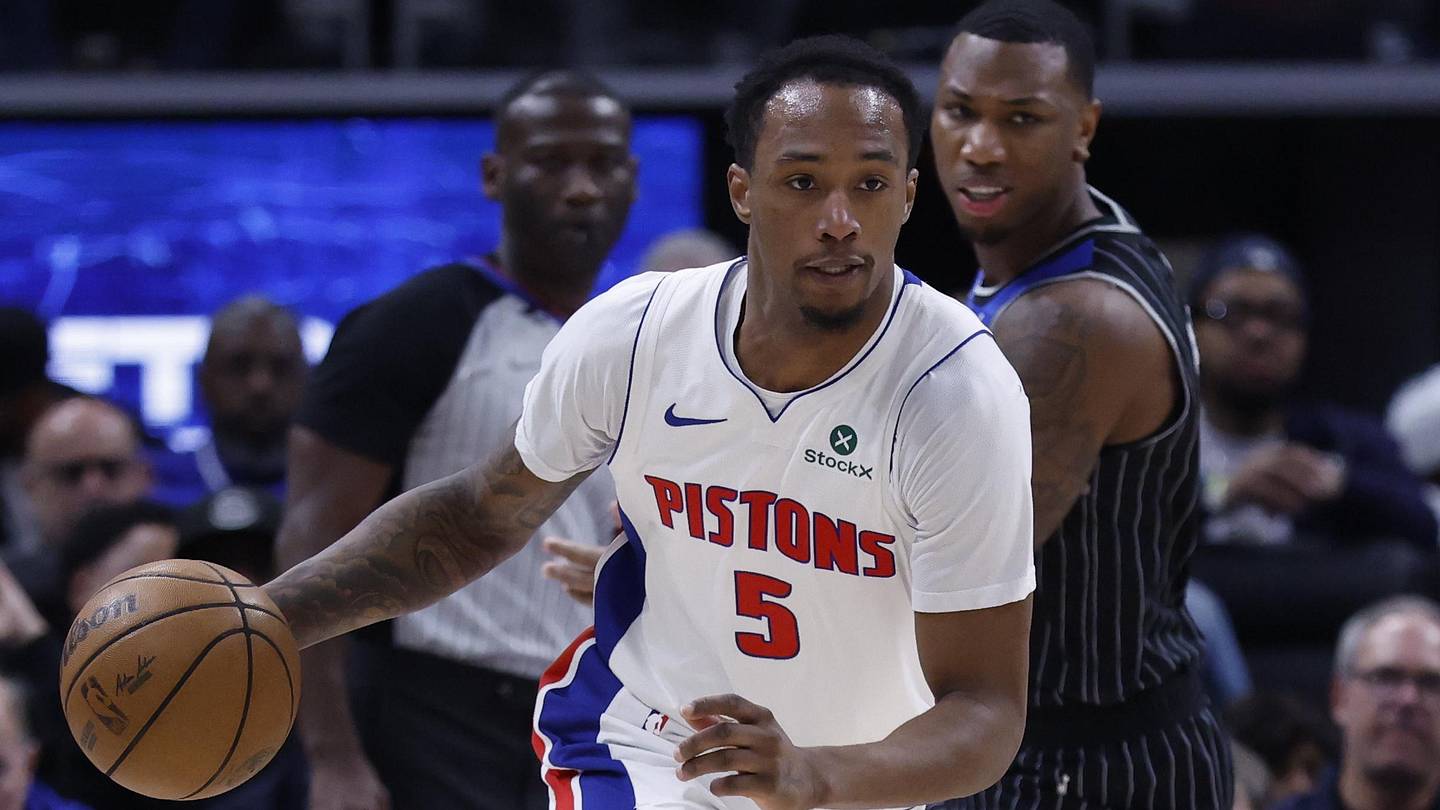
Meanwhile, another young player, Ron Holland, is navigating his own critical juncture. After being largely sidelined in the first-round series against the Orlando Magic, Holland has re-entered the rotation for the matchup against the Cleveland Cavaliers. In his ten minutes of play during the series opener on Tuesday, he registered a positive plus-minus, with the Pistons outscoring the Cavaliers by eight points during his time on the court. Holland's season has been largely disappointing, mirroring his rookie campaign. Defensively, he operates as a disruptive force, applying ball pressure and forcing numerous turnovers. His presence on the court injects speed, intensity, and athleticism, making him a difficult opponent to play against. However, his contributions in other areas have left considerable room for improvement. The persistent lack of shooting development remains Holland's most significant concern. He concluded the season shooting a mere 25.3% from three-point range, often being ignored by opposing defenses. This offensive deficiency contributed to his diminishing playing time late in the regular season and into the playoffs, making it challenging for coach JB Bickerstaff to rely on him for extended periods.
The Pistons' Roster Dilemma
While another team might be able to accommodate Holland's offensive limitations, the Pistons already have a defense-first wing in Ausar Thompson who struggles offensively. The addition of another perimeter player who hinders the team's offense is precisely what Detroit does not need in its playoff rotation. The team requires more shooting and offensive spark from its bench, a role Holland has been unable to fill. A different opponent might have allowed Holland to remain on the court and be effective. Against the Cavaliers, he managed to contain Donovan Mitchell to some extent, utilizing his size, length, and dynamism against Cleveland's backcourt. This performance offers a glimmer of hope for his continued presence in the rotation. However, if Holland finds himself out of the rotation for a second consecutive series, his future with the Pistons will be significantly jeopardized. With General Manager Trajan Langdon facing pressure to make offseason changes if the Pistons do not contend for the championship, Holland, as one of their expendable young players with upside, would likely feature in numerous trade scenarios. His limited postseason impact makes him an easier asset for Langdon to package in trades, a decision Holland can make more difficult over the coming weeks.
The bottom line
- Ausar Thompson's defensive performance against top offensive players is driving his potential contract value.
- His playoff statistics, including steals and blocks, highlight his significant defensive impact.
- Contract extension talks could range from $25 million to over $35 million annually depending on playoff success.
- Ron Holland's future with the Pistons hinges on his ability to contribute positively in limited minutes.
- Holland's offensive struggles, particularly shooting, make him a potential trade candidate for the Pistons.
- The Pistons' decisions on Thompson and Holland will be crucial for their long-term roster strategy.

Antarctic Blast to Bring Snow to Australian Capitals

Arctic Blast Plunges Millions into Deep Freeze as May Cold Front Shatters Spring Warmth