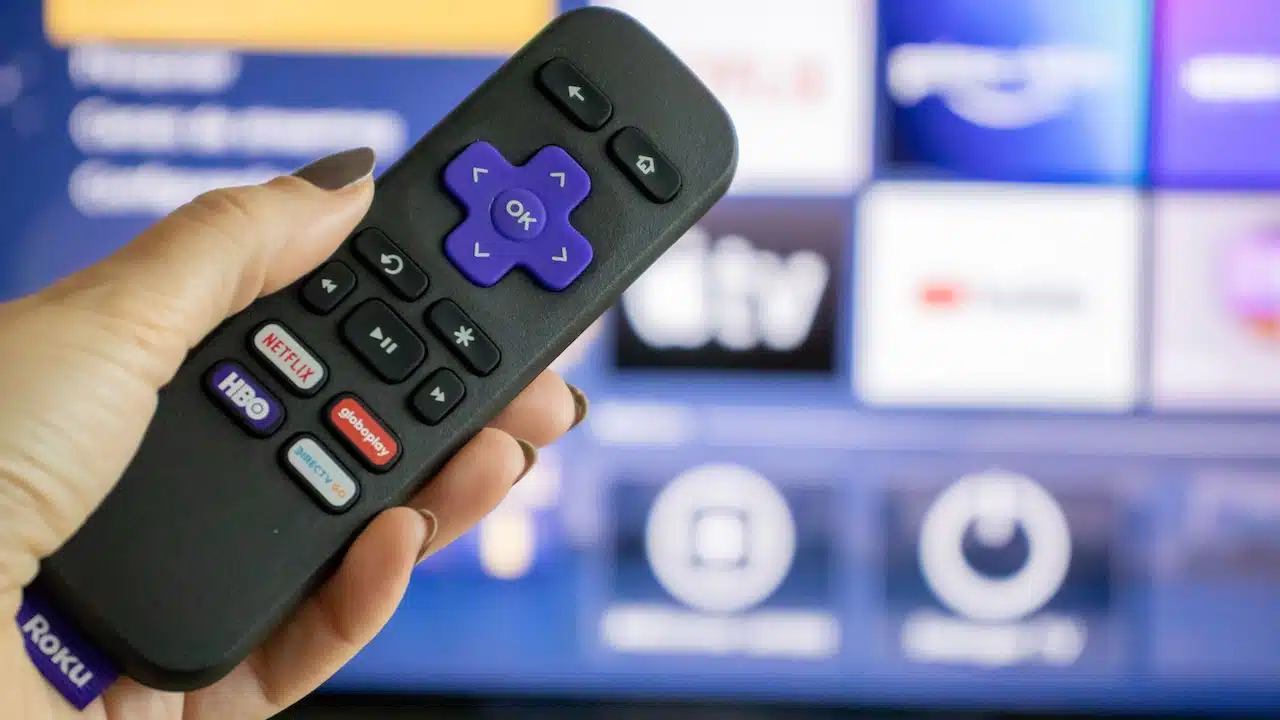
Roku and TCL Face Class Action Over Software Updates That Brick TVs
A consumer lawsuit alleges the companies knowingly sold televisions with defective updates that render sets inoperable, contradicting marketing promises.
AUSTRALIA —
Key facts
- Lawsuit filed May 1, 2026, in California federal court.
- Plaintiff Terri Else seeks to represent a nationwide class and California subclass.
- Defendants: Roku Inc. and TTE Technology (TCL North America).
- Alleged defects: TVs freeze, reboot, black out, or become entirely unusable ('bricked').
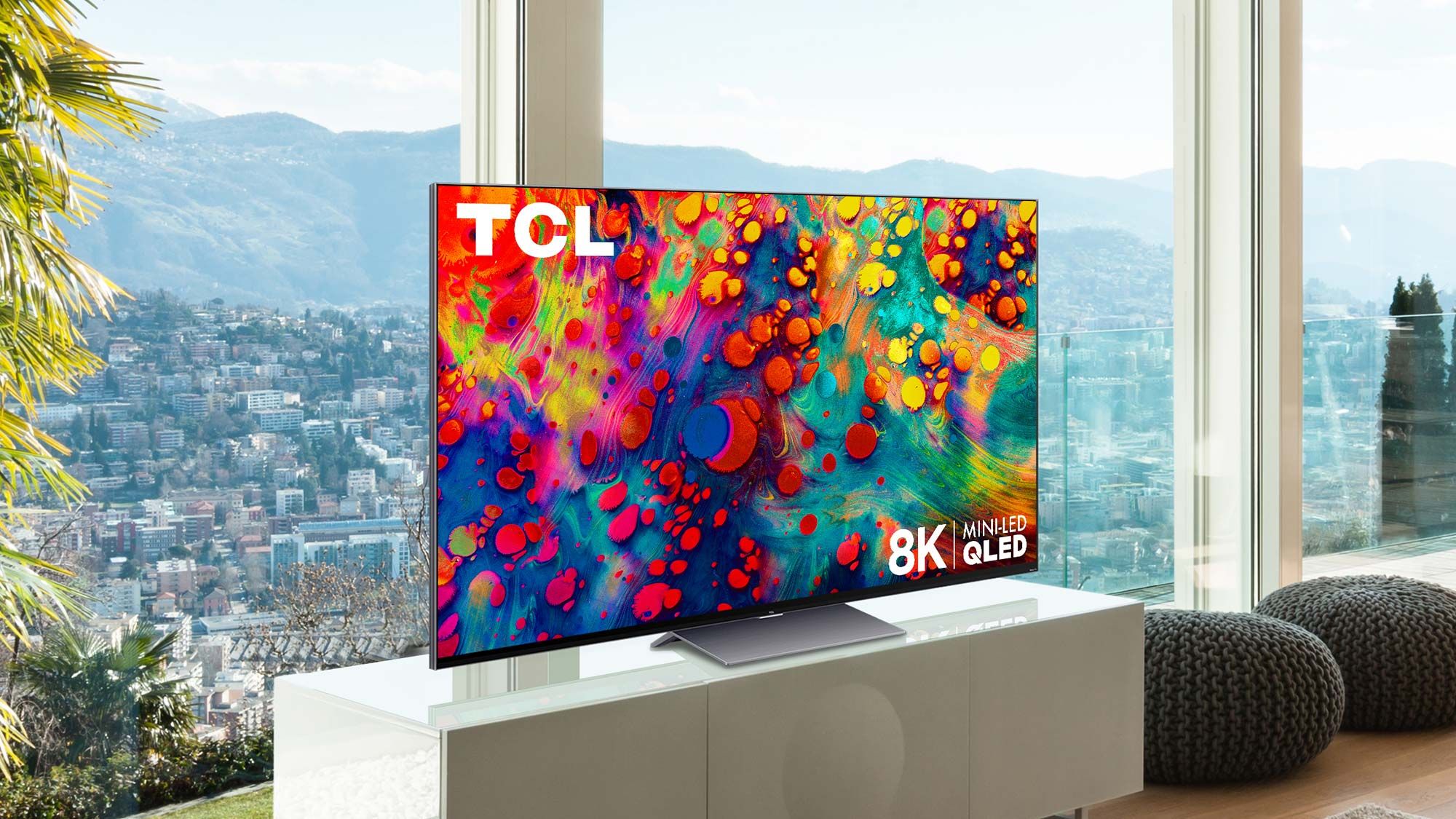
- Affected models: Roku Select Series, Roku Plus Series, TCL 3/4/5/6 Series Roku TVs.
- Class period: December 16, 2024, to present.
- Claims: breach of express and implied warranties, violations of California's Unfair Competition Law and Consumers Legal Remedies Act.
A Television That 'Just Stopped Showing Pictures'
Terri Else was watching her television when it abruptly went dark. The screen, she says, never came back on. That experience, detailed in a class action lawsuit filed on May 1, 2026, in a federal court in southern California, is at the heart of a widening legal battle against Roku Inc. and TTE Technology Inc., which does business as TCL North America. The complaint alleges that the companies have released software updates that are 'repetitively defective,' causing smart televisions to freeze, restart repeatedly, fail to turn on, or degrade in performance to the point of inoperability. Else argues that Roku and TCL knowingly sold televisions with these defects, a platform that 'cuts corners' in testing and fails to ensure updates are free of flaws before wide release.
The Alleged Defect: Software Updates That Break the TV
According to the lawsuit, the software updates are the root cause of the failures. 'Roku’s software updates are repetitively defective, materially impairing the functionality of Roku products, rendering many consumers’ televisions either entirely unusable (“bricked”), blacked out or otherwise substantially degraded in terms of device performance,' the complaint states. The suit covers Roku Select Series, Roku Plus Series, and TCL 3, 4, 5, and 6 Series Roku TVs purchased from December 16, 2024, to the present. Online forums and comments on the lawsuit have amplified the claims. One owner reported, 'I was watching my TV and it just stopped showing pictures.' Another said their TCL QM8 experienced black screens or shutoffs after software updates. Posts on Roku and TCL subreddits document similar issues going back at least two years, including a forced firmware update that disabled connectivity features and a TV that refused to update its operating system.
Marketing Promises vs. Consumer Reality
Else contends that Roku and TCL failed to disclose the software defects before purchase, instead marketing the televisions as reliable smart TVs designed to 'keep getting better over time…thanks to [ongoing] automatic software updates.' The lawsuit argues that these representations are inconsistent with the actual experience: 'Despite consumers’ persistent complaints of repeated system failures, often leaving their TVs completely inoperable, defendants offer no recourse.' The complaint asserts that this lack of recourse violates express warranties that promise to 'repair, correct or otherwise remediate the software defect.' The plaintiffs seek to hold the companies accountable for breach of express and implied warranties, as well as violations of California’s Unfair Competition Law and Consumers Legal Remedies Act.
The Partnership at the Center of the Case
Roku is best known for its streaming devices and smart TV platform, while TCL manufactures a wide range of televisions. The two companies have a long-standing partnership: Roku’s operating system powers the smart capabilities of many affordable TCL sets, making TCL one of Roku’s biggest clients. This integration means that when a software update goes wrong, it affects not only Roku-branded devices but also a significant portion of TCL’s smart TV lineup. The lawsuit targets both companies, alleging they share responsibility for the defective updates. The complaint demands a jury trial and requests declaratory and injunctive relief, plus an award of actual and statutory damages and restitution for class members. No specific monetary figure has been set; that will be determined as the case progresses toward settlement or trial.
What Comes Next for Affected Consumers
The lawsuit is in its early stages, and a resolution or settlement may take months. The class action seeks to represent a nationwide class and a California subclass, potentially encompassing thousands of consumers who purchased the affected models. the outcome could set a precedent for how software update liabilities are handled in the consumer electronics industry. Roku and TCL have not yet publicly responded to the allegations. The companies may face pressure to address the software defects proactively, whether through fixes, replacements, or compensation. For now, consumers who have experienced issues are left waiting, their bricked TVs a testament to the gap between marketing promises and the reality of 'automatic software updates.'
The bottom line
- A class action lawsuit filed May 1, 2026, in California federal court alleges Roku and TCL knowingly sold TVs with defective software updates that brick devices.
- Plaintiff Terri Else seeks to represent a nationwide class and California subclass covering purchases from December 16, 2024, to present.
- Affected models include Roku Select Series, Roku Plus Series, and TCL 3/4/5/6 Series Roku TVs.
- The lawsuit claims breach of express and implied warranties, plus violations of California consumer protection laws.
- Online forums document similar complaints dating back at least two years, suggesting a pattern of defective updates.
- The case is in its initial stages; no specific damages amount has been set, and the companies have not yet responded.



Controversial Bunker Call Mars Panthers' 18-16 Win Over Sea Eagles as Cleary Fumes

Sir Alex Ferguson Hospitalized After Falling Ill at Old Trafford Before Liverpool Match

Geelong Crushes North Melbourne with Nine-Goal Final Quarter, Blicavs Nears Return
