Attenborough's gorilla encounter nearly lost as Rwandan police seized film
The 99-year-old naturalist recounts how a quick-thinking cameraman saved the iconic footage by swapping labels on film cans during a military interrogation.
AUSTRALIA —
Key facts
- David Attenborough turns 100 on 8 May 2025.
- The gorilla scene was filmed in 1978 in Rwanda's Virunga mountains.
- Cameraman Martin Saunders swapped film can labels to hide the gorilla footage.
- Attenborough and Saunders were held overnight in a hotel and interrogated at an army compound.
- The crew had all required permissions for filming.
- Life on Earth aired in 1979, costing over £1 million per episode.
- Attenborough commissioned Civilisation in 1966, a 12-hour series over 3 years in 117 locations.
- BBC will air three special programmes for Attenborough's centenary week.
A near-fatal shoot in Rwanda
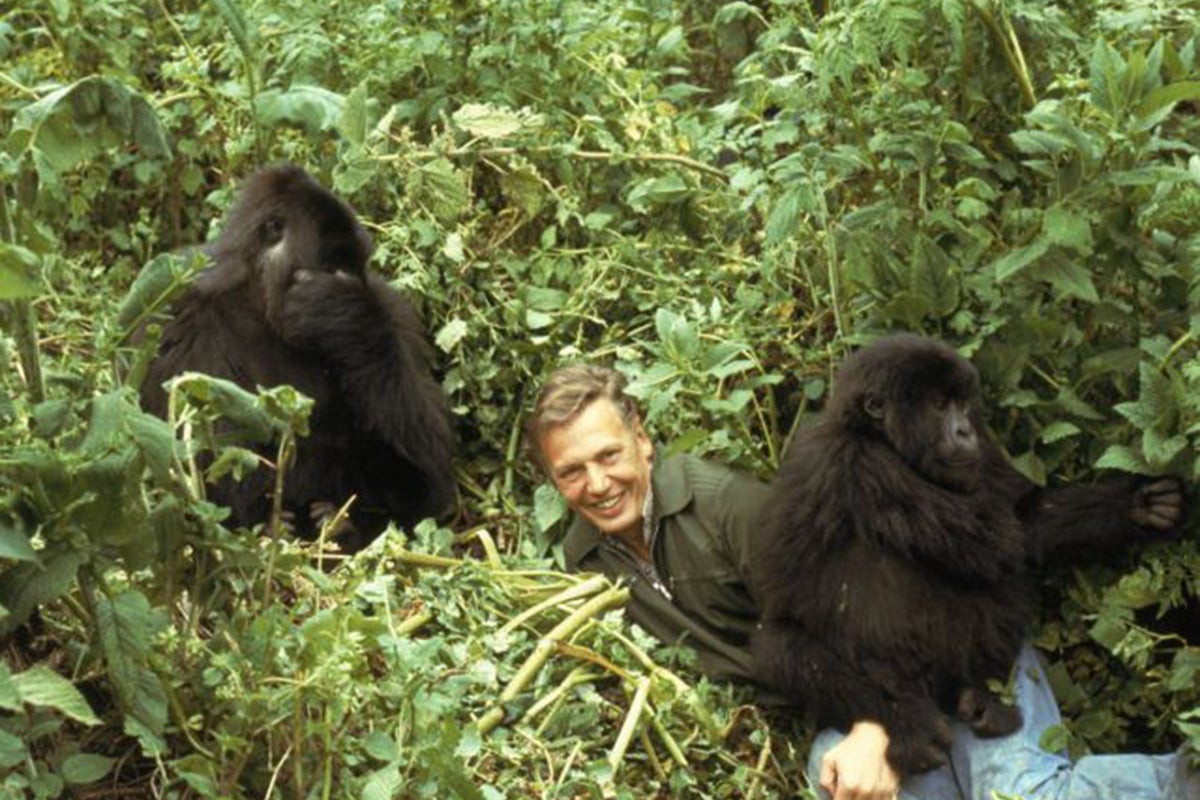
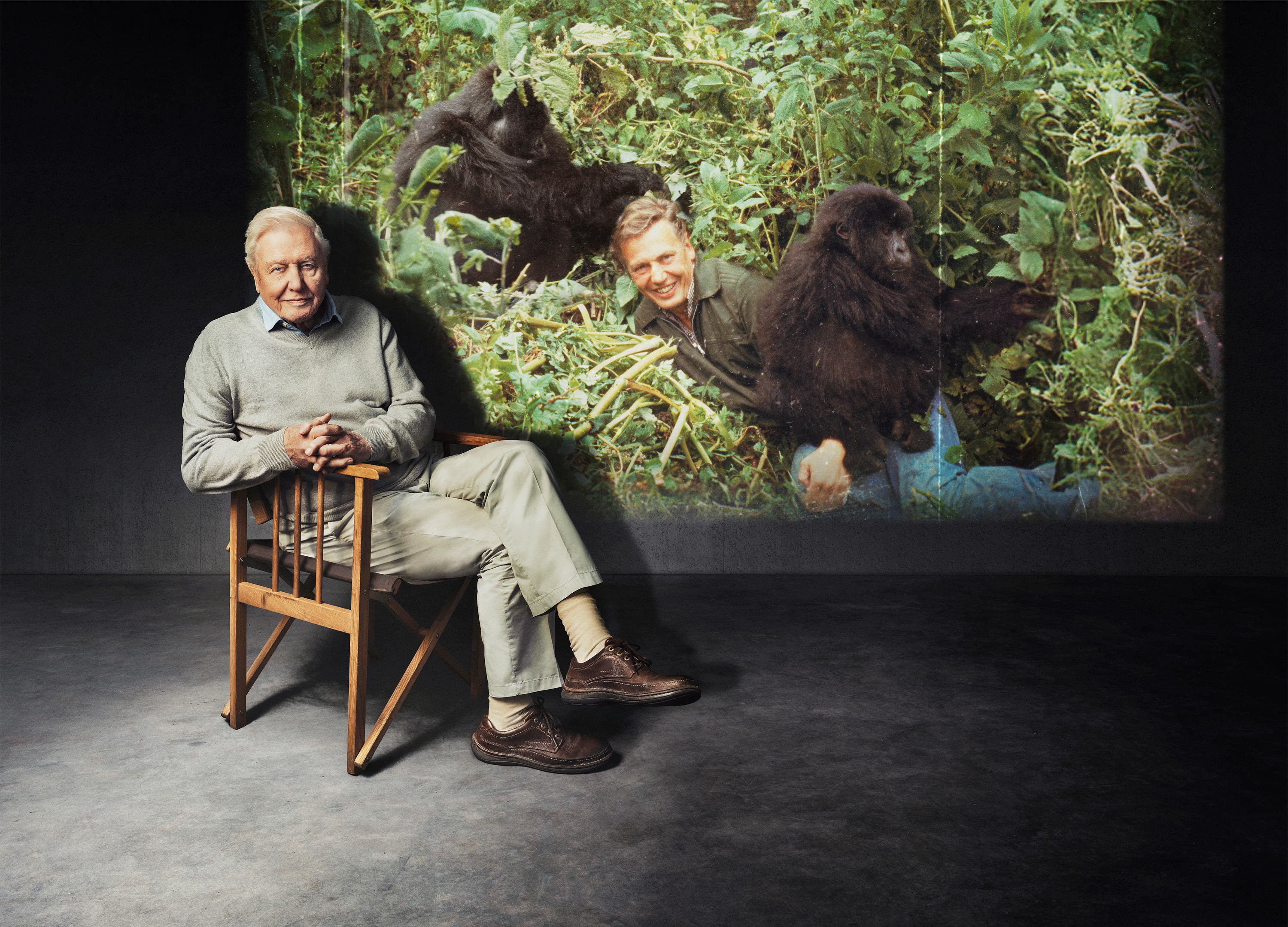
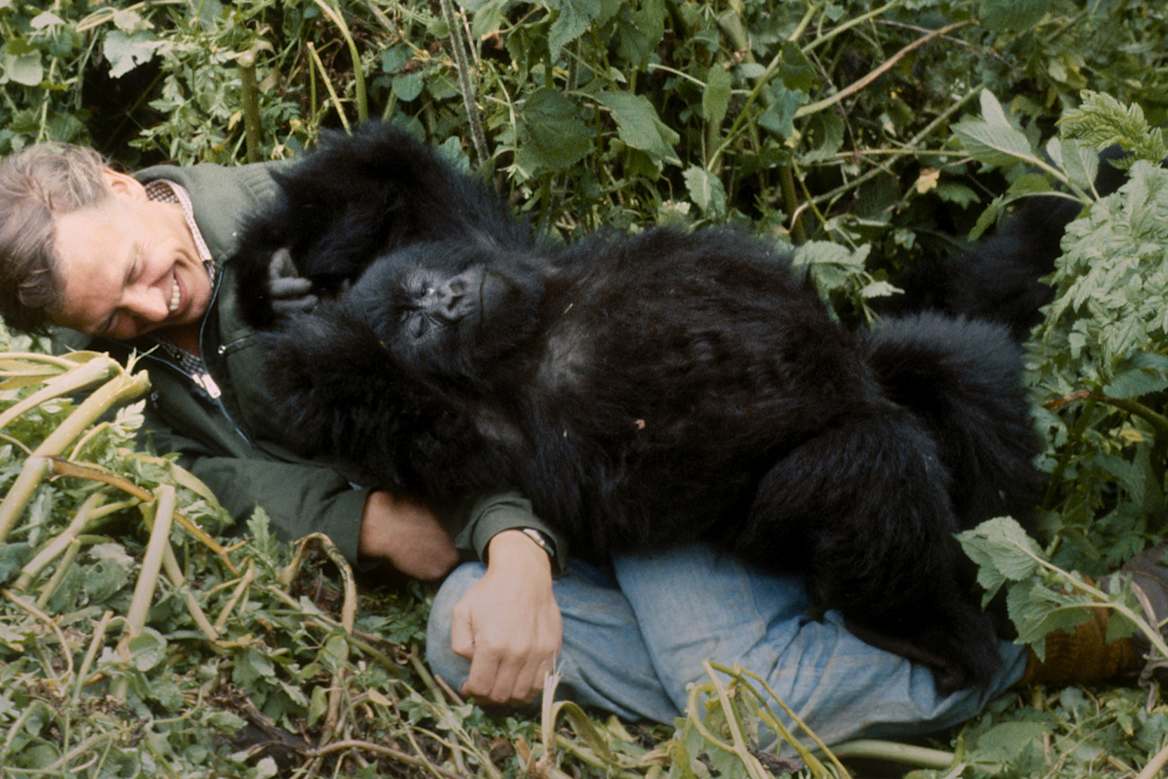
In 1978, Sir David Attenborough and his crew were returning from filming in Rwanda's Virunga mountains when armed soldiers stopped their vehicle and fired guns over their heads. The team was taken to police headquarters and interrogated about their activities, despite holding all necessary permissions. Attenborough, then 52, recalled the moment in a new BBC documentary: "I thought: 'What's happening?' And we turned round the corner and there was an armed guard." The footage they had just captured — a young gorilla named Pablo climbing onto Attenborough — was at risk of confiscation.
The cameraman's quick thinking
Martin Saunders, the cameraman, realised the danger and swiftly swapped the labels on the film cans, making the cans containing the gorilla footage appear unused. The crew was held overnight in a hotel, then taken to an army compound the next morning. "David and I were told to stand in the middle of this compound in the sun. We weren't even allowed to go into the shade," Saunders said. "I thought, 'I don't know. They're going to put us against the wall and shoot us or something.'" They were eventually released and allowed to fly back to the UK.
The making of a landmark series
The gorilla encounter became the most famous sequence in Life on Earth, Attenborough's 1979 docuseries that took three years to film across more than 100 countries at a cost exceeding £1 million per episode. The series featured 600 species and required extraordinary patience: one cameraman spent hundreds of hours in a Chilean jungle waiting for a Darwin's frog to spit out its young. Attenborough originally intended the gorilla segment to discuss the importance of the thumb and forefinger, but the moment with Pablo — who climbed onto his feet — became an iconic image of wildlife television.
From Civilisation to Life on Earth
Attenborough's career in landmark television began in 1966 at a lunch at London's Garrick Club with art historian Sir Kenneth Clark. Then controller of BBC2, Attenborough proposed that Clark create a series on Western art, philosophy and architecture — with no budget constraints. The result, Civilisation, was 12 hours long, filmed over three years in 117 locations across 13 countries. Though criticised for its Western focus, Civilisation proved that complex ideas could captivate a mass audience. It paved the way for The Ascent of Man, The Shock of the New, and ultimately Attenborough's own Life on Earth.
A century of broadcasting
Born in Middlesex to an academic family, Attenborough studied geology and zoology at Cambridge after World War II. He joined the BBC in 1952 and was initially discouraged from on-air roles due to his large teeth. He rose through the ranks, commissioning Song Hunter with ethnomusicologist Alan Lomax and later becoming a beloved presenter. Attenborough's style — what collaborator Keith Scholey calls "appropriate awe" — never made him the focus, but rather an attendant to the creatures he introduced. This approach earned him a global following.
Centenary celebrations and new projects
The BBC will mark Attenborough's 100th birthday on 8 May with a week of special programming. Three new shows include Making Life on Earth: Attenborough's Greatest Adventure, which revisits the 1979 series and its challenges, including a coup in the Comoros and being shot at. Another series, Secret Garden, will explore Britain's gardens over five episodes, offering tips on saving struggling species. A live event, David Attenborough's 100 Years on Planet Earth, will be held at the Royal Albert Hall with the BBC Concert Orchestra. The week will also revisit classics like Planet Earth, Blue Planet, and Frozen Planet.
A legacy of awe and criticism
Jack Bootle, head of commissioning for specialist factual at the BBC, said: "It's impossible to overstate what Sir David Attenborough has given us. His programmes have not only defined science and natural history broadcasting, but they have also changed how we see our planet and our place within it." Yet Attenborough is not without critics. Civilisation was accused of elevating Western culture, and some have questioned his stance on environmental issues. Still, his body of work — over 100 documentary movies and series — has inspired generations to care for the natural world.
The bottom line
- Attenborough's iconic gorilla footage was nearly lost when Rwandan police detained the crew; cameraman Martin Saunders saved it by swapping film can labels.
- The encounter occurred in 1978 in Rwanda's Virunga mountains, with primatologist Dian Fossey present.
- Attenborough's centenary on 8 May will be marked by three new BBC programmes and a live event at the Royal Albert Hall.
- Life on Earth, his landmark 1979 series, cost over £1 million per episode and was filmed in more than 100 countries.
- Attenborough's career began with commissioning Civilisation in 1966, which set the template for landmark television.
- Despite his global popularity, Attenborough's work has faced criticism for its Western-centric perspective.


Brisbane Lions lose star recruit Oscar Allen for three months with foot fracture
Ford pledges $2bn and 2,100 jobs for Kentucky battery plants after dissolving EV joint venture

OG Anunoby silences All-Defensive debate with playoff surge for Knicks