Saudi-Backed Epic 'Desert Warrior' Grosses $517,508 Worldwide, Poised to Become One of Hollywood's Biggest Flops
The $150 million historical drama starring Anthony Mackie and Ben Kingsley earned an average of just $467 per screen in North America after a troubled five-year production.

AUSTRALIA —
Key facts
- Budget: $150 million.
- U.S. opening weekend gross: $596,000 on 1,010 screens.
- Per-screen average in U.S.: $467.
- Saudi Arabia opening weekend: $87,000 from 6,100 admissions.
- Worldwide total as of Thursday: $517,508.
- Production took five years; director Rupert Wyatt left and returned.
- Backed by Saudi Arabia's Public Investment Fund (PIF).
A Deserted Box Office
Desert Warrior, the Saudi-backed historical epic that cost $150 million to produce, has opened to catastrophic box office numbers in the United States and the Middle East, earning just $517,508 worldwide as of Thursday. The film, which debuted on 1,010 screens across North America, averaged a mere $467 per cinema — a figure that industry insiders have already labeled one of the biggest financial disasters in movie history. In Saudi Arabia, where the film was released simultaneously, the opening weekend brought in $87,000 from 6,100 admissions, placing it eighth among titles playing in the country. In the UAE, ticket sales reached $37,000, and across the entire Middle East, Desert Warrior has accumulated just $225,000, according to the film was not heavily marketed in the region.
A Five-Year Trek to the Screen
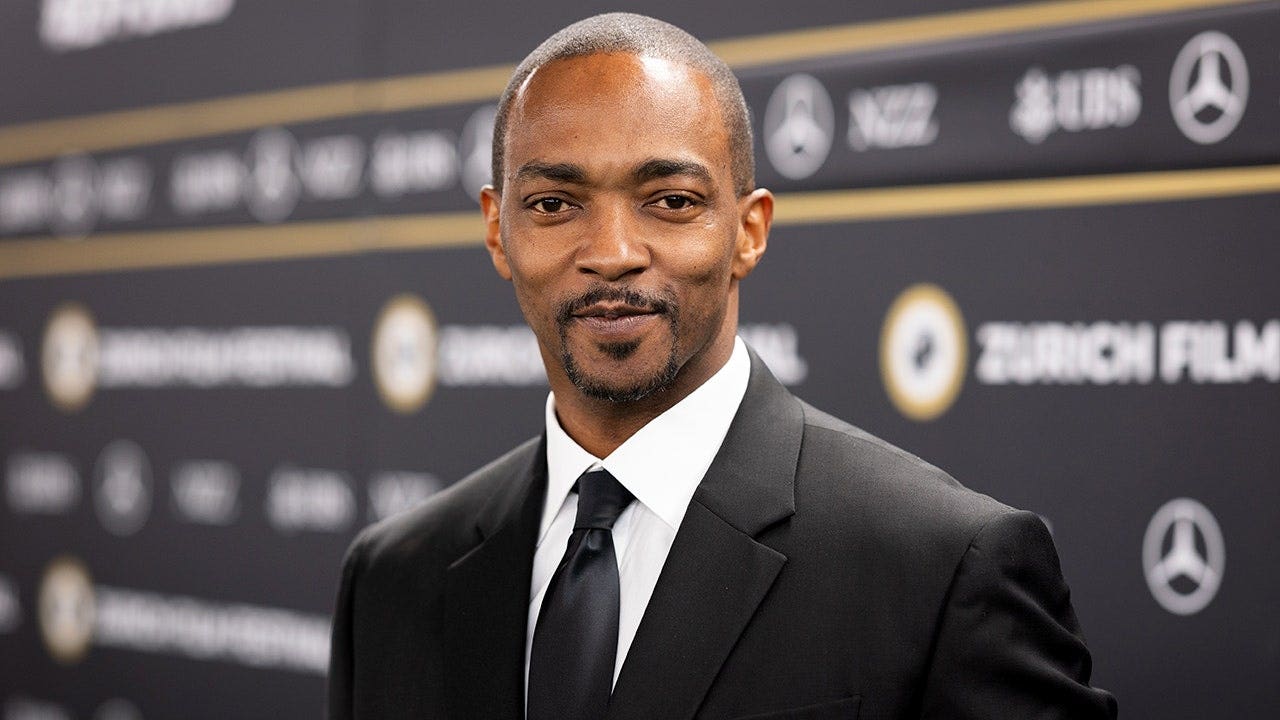
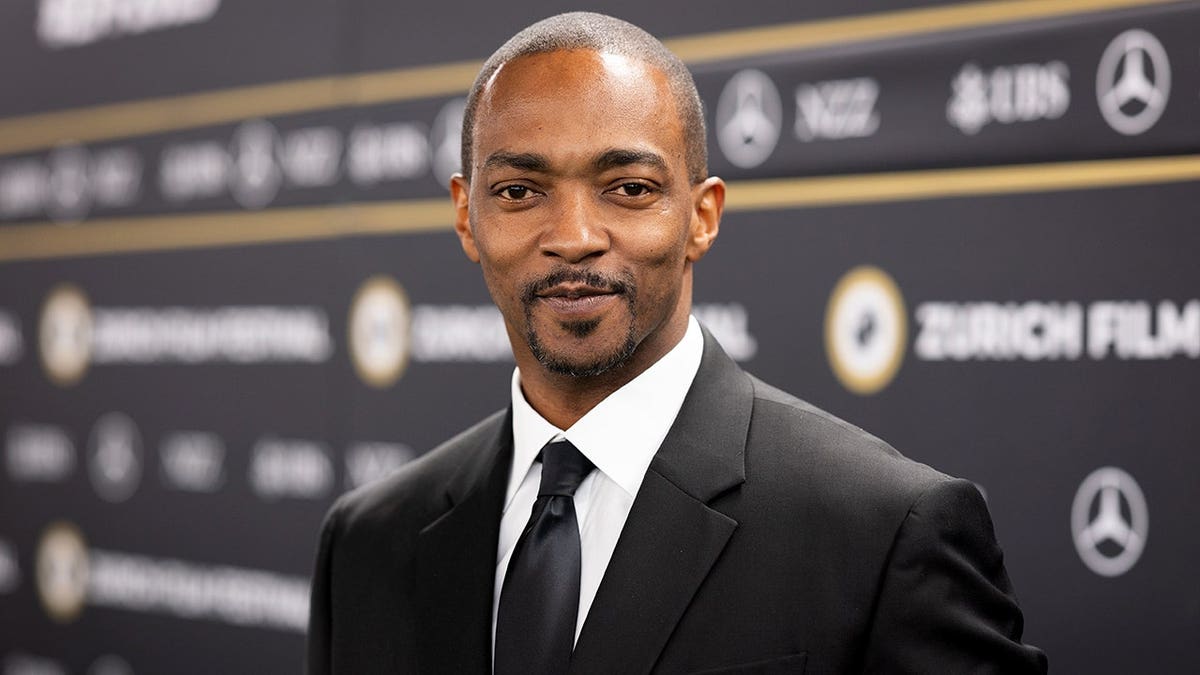
The film's journey to theaters was fraught with delays and creative turmoil. Announced with great ambition by Riyadh-based media giant MBC Group, Desert Warrior took five years to reach the screen. Director Rupert Wyatt, known for Rise of the Planet of the Apes, left the project due to creative differences and later returned. The budget swelled during production, exacerbated by delays and a pick-up shoot in Saudi Arabia. Even crew members were left wondering if the film would ever see a theatrical release. MBC Group, which set up the project, partnered with U.S. distributor Vertical for the release. Vertical's marketing campaign spotlighted stars Anthony Mackie (Captain America) and Ben Kingsley (an Oscar winner), as well as Wyatt's sweeping shots of the Saudi desert. Yet cinemagoers did not respond.
Unfavorable Timing and Regional Context
Those close to the production acknowledged that expectations were never high, particularly given the ongoing war in the Middle East. 'Cinemagoers don’t have the appetite for a film about a desert war in the middle of a literal desert war,' an insider told Deadline. The conflict in Iran and broader regional uncertainties have also prompted Saudi Arabia's Public Investment Fund to signal a shift in its investment strategy, seeking better returns on its money. Despite the poor performance, industry sources say Vertical likely did not pay a high price for distribution rights, meaning a path to profitability is plausible when combining theatrical and home entertainment revenue. Vertical is said to be focusing on premium video on demand, where it plans to feature Mackie prominently in artwork, mirroring tactics used for films like Elevation.
Saudi Arabia's Entertainment Ambitions Hit a Snag
Desert Warrior was one of the first major film releases under Saudi Arabia's trillion-dollar Public Investment Fund, which has been aggressively investing in entertainment and sports to diversify the economy away from oil. The fund has poured billions into Formula 1, the Qiddiya City megaproject and its associated theme park, and LIV Golf. However, the PIF is now withdrawing billions from LIV Golf at the end of the 2026 season, casting doubt on the league's future. The film's failure stands in stark contrast to earlier Saudi box office hits. Shabab Al Bomb, based on a popular Arab TV franchise, grossed $1.24 million in its opening weekend in Saudi Arabia — more than ten times Desert Warrior's debut. Empire Entertainment, the Saudi distributor that handled Desert Warrior for MBC and also handles Sony releases in the territory, had a much stronger performance this year with Project Hail Mary, which grossed $700,000 in its opening weekend.
What Comes Next for the Film and Its Backers
MBC Group did not respond to a request for comment, and Vertical declined to comment on the film's performance. For Vertical, the film's theatrical run may be short, but the distributor is expected to pivot quickly to digital platforms. Whether Desert Warrior can recoup even a fraction of its massive budget remains uncertain, but the path to profit — if any — lies in home entertainment and streaming. The broader implications for Saudi Arabia's film ambitions are significant. If Desert Warrior is seen as a bellwether for the kingdom's ability to produce globally appealing content, the results are discouraging. The PIF's shifting priorities, combined with geopolitical tensions, may lead to a reassessment of future film investments. For now, Desert Warrior stands as a costly lesson in the risks of blending Hollywood ambition with regional geopolitical realities.
The bottom line
- Desert Warrior's $150 million budget makes it one of the most expensive films ever produced with Saudi backing.
- The film's U.S. opening weekend average of $467 per screen is among the lowest for a wide release in recent memory.
- Production was plagued by creative disputes, budget overruns, and a five-year delay.
- The film's poor timing amid Middle East conflict likely suppressed audience interest.
- Saudi Arabia's Public Investment Fund is reassessing its entertainment investments after the film's failure and the planned withdrawal from LIV Golf.
- Vertical may still turn a profit through premium video-on-demand, but the theatrical losses are historic.



Controversial Bunker Call Mars Panthers' 18-16 Win Over Sea Eagles as Cleary Fumes

Leaked whiteboard notes reveal Brisbane Lions' brutal assessments of Essendon players ahead of AFL clash
Sir Alex Ferguson Hospitalized After Falling Ill at Old Trafford Before Liverpool Match