Eta Aquarid Meteor Shower Peaks Over Australia
Earth's passage through Halley's Comet debris offers a dazzling celestial display, but city lights and a bright moon may dim the view.
AUSTRALIA —
Key facts
- The Eta Aquarid meteor shower is active from April 19 to May 28.
- Peak visibility occurs overnight May 5-6 and May 6-7.
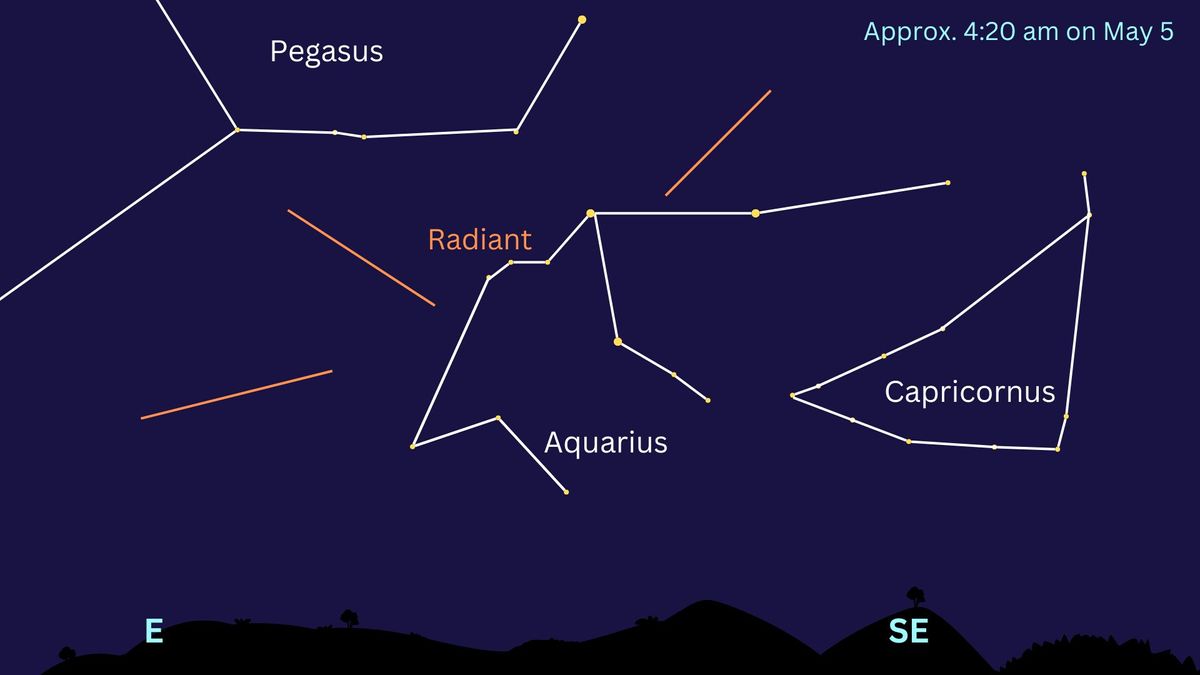
- Meteors appear to originate from the constellation Aquarius.
- Up to 50 shooting stars per hour may be visible at peak.
- Debris originates from Halley's Comet.
- Viewing is best in the Southern Hemisphere before dawn.
- Light pollution and a bright waning gibbous moon may interfere with viewing.
A Cosmic Spectacle Illuminates Australian Skies
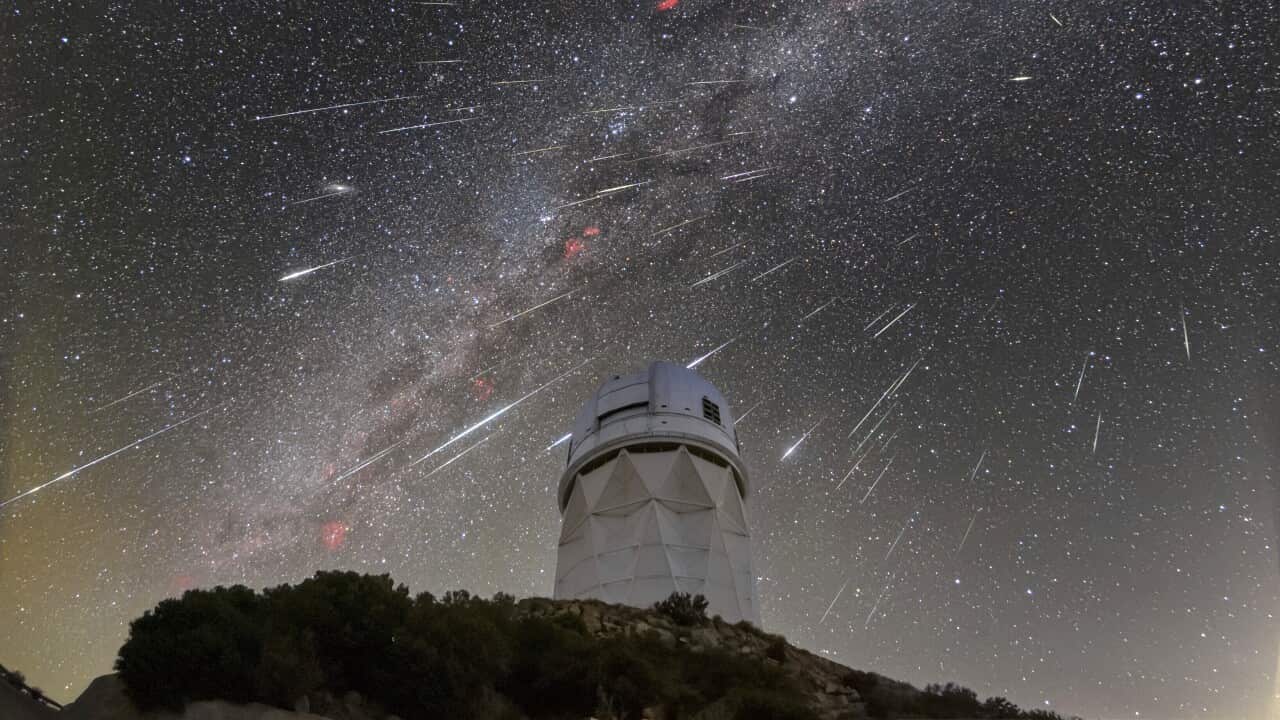
Australian skies are set to be adorned by the annual Eta Aquarid meteor shower, a celestial event that promises to paint streaks of light across the pre-dawn firmament. Visible across the continent, from the outback to inner-city locales, the shower offers a chance to witness cosmic debris burn up in Earth's atmosphere. While the spectacle is expected to be most vivid in the Southern Hemisphere, experts caution that terrestrial conditions may temper the experience for many. The Eta Aquarids are a consistent feature of the astronomical calendar, active for nearly two months each year. Their peak, however, is a fleeting window, typically occurring in early May. This year, the shower's zenith is anticipated between the evening of May 6 and the early hours of May 7, presenting the prime opportunity for observers to witness the phenomenon. This natural light show is the result of Earth traversing a stream of dust and ice particles shed by the legendary Halley's Comet. As these minuscule fragments, often no larger than a grain of sand, hurtle into our atmosphere at immense speeds, they ignite, creating the fleeting brilliance of shooting stars. A meteor shower is, in essence, a shower of these burning remnants.
Halley's Comet: The Source of the Shower
The Eta Aquarid meteor shower, like its October counterpart the Orionids, owes its existence to Halley's Comet. This iconic celestial body, with its 76-year orbit, is the only short-period comet regularly visible to the naked eye. As it journeys through the solar system, it leaves a trail of icy debris in its wake. It is through this cosmic trail that Earth passes annually, generating the Eta Aquarids. The meteors themselves appear to radiate from a point near the star Eta Aquarii, within the constellation Aquarius, though the constellation is not the source of the debris. Observers are advised to look away from the radiant point, allowing their gaze to sweep across the wider night sky to catch the most spectacular streaks. These fast-moving meteors can travel at approximately 66 kilometers per second, or 238,000 km/h. flashes and, frequently, glowing trails that linger for a moment, adding to the visual drama.
Peak Viewing Conditions and Potential Hindrances
The optimal time to witness the Eta Aquarids is in the pre-dawn hours, when the sky is at its darkest and the shower's radiant point is highest in the sky. For Australia, this typically means setting an alarm for the early morning of May 7. From dusk until dawn, the shower's intensity is expected to increase, culminating in the hours before sunrise. However, this year's display faces a significant challenge: a bright waning gibbous moon. The moonlight can wash out fainter meteors, making it harder to spot them against the illuminated sky. This lunar interference means that the maximum rate of up to 50 meteors per hour, as suggested by the American Meteor Society, may be significantly reduced for many viewers. Furthermore, light pollution from urban areas remains a persistent obstacle. Experts strongly advise seeking out the darkest possible location, far from city lights, to maximize the chances of a clear view. Even in remote areas, clear skies are paramount. On an average night, between two and seven shooting stars might be observed per hour; during a meteor shower, this can increase to between 20 and 30, or even up to 50 under ideal conditions.
Tips for Maximizing the Meteor Shower Experience
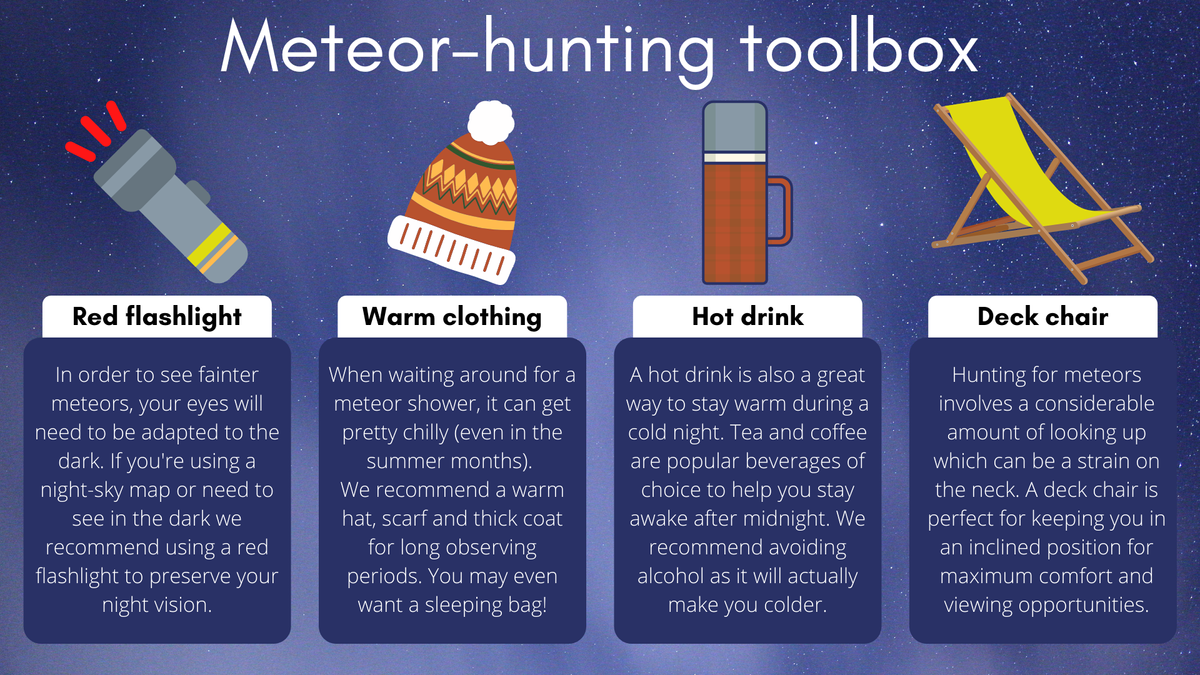
Catching the Eta Aquarids requires little in the way of special equipment, but a few simple preparations can greatly enhance the viewing experience. The most crucial element is patience, coupled with allowing one's eyes adequate time to adjust to the darkness. It is recommended to spend at least 30 minutes in a dark environment before actively looking for meteors. Viewers should find a comfortable spot, lean back, and let their eyes scan the expanse of the sky. Looking directly at the radiant in Aquarius is not necessary; meteors will be visible across all parts of the sky. It is also advisable to avoid using mobile phones or bright lights, as these can disrupt night vision. If illumination is needed, a red light setting on a flashlight is the preferred option. For those in Australia, specific timings for peak visibility can vary by state, with resources available to calculate local sunrise and moonrise times. The key takeaway remains consistent: darkness, patience, and a clear, unobstructed view of the night sky are the best tools for enjoying this annual celestial event.
The Science Behind the Shooting Stars
A meteor shower is a natural phenomenon that occurs when Earth passes through a stream of cosmic debris. These particles, remnants of comets or asteroids, enter Earth's atmosphere at high velocities. The intense friction generated by their passage causes them to heat up and vaporize, creating the visible streaks of light we perceive as shooting stars. Dr. Laura Driessen, a radio astronomer at the University of Sydney, explains that these events happen because "the Earth is ploughing into little tiny specks of dust left behind by, typically, comets." These specks, essentially small rocks, burn up high in the atmosphere, producing the transient flashes. While on an average night, observers might see only a handful of shooting stars, a meteor shower can dramatically increase this rate. During peak activity, the frequency can rise to one meteor every two minutes, offering a significantly more active celestial display. The Eta Aquarids are categorized as a strong shower, particularly notable for observers in the Southern Hemisphere and near the equator.
The bottom line
- The Eta Aquarid meteor shower is an annual event caused by debris from Halley's Comet.
- Peak viewing in Australia is expected on the night of May 6-7, before dawn.
- Up to 50 meteors per hour may be visible under ideal, dark sky conditions.
- A bright moon and light pollution are expected to reduce visibility this year.
- No special equipment is needed; patience and dark-adapted eyes are key.
- The shower appears to originate from the constellation Aquarius but meteors are visible across the sky.

Lungi Ngidi Returns as Delhi Capitals Bat First Against Chennai Super Kings in High-Stakes IPL Clash
Eta Aquarid Meteor Shower Peaks Tonight, but Moon Threatens to Dampen the Show

Jamal Shead to Start Game 6 for Raptors as Quickley Sits with Hamstring Strain
