SpaceX launches 50th mission of 2026 as Falcon 9 booster lands on Pacific droneship
The company's 42nd Starlink flight this year adds 24 satellites to a constellation of nearly 10,300 active spacecraft, while a Falcon Heavy launch remains delayed by weather.
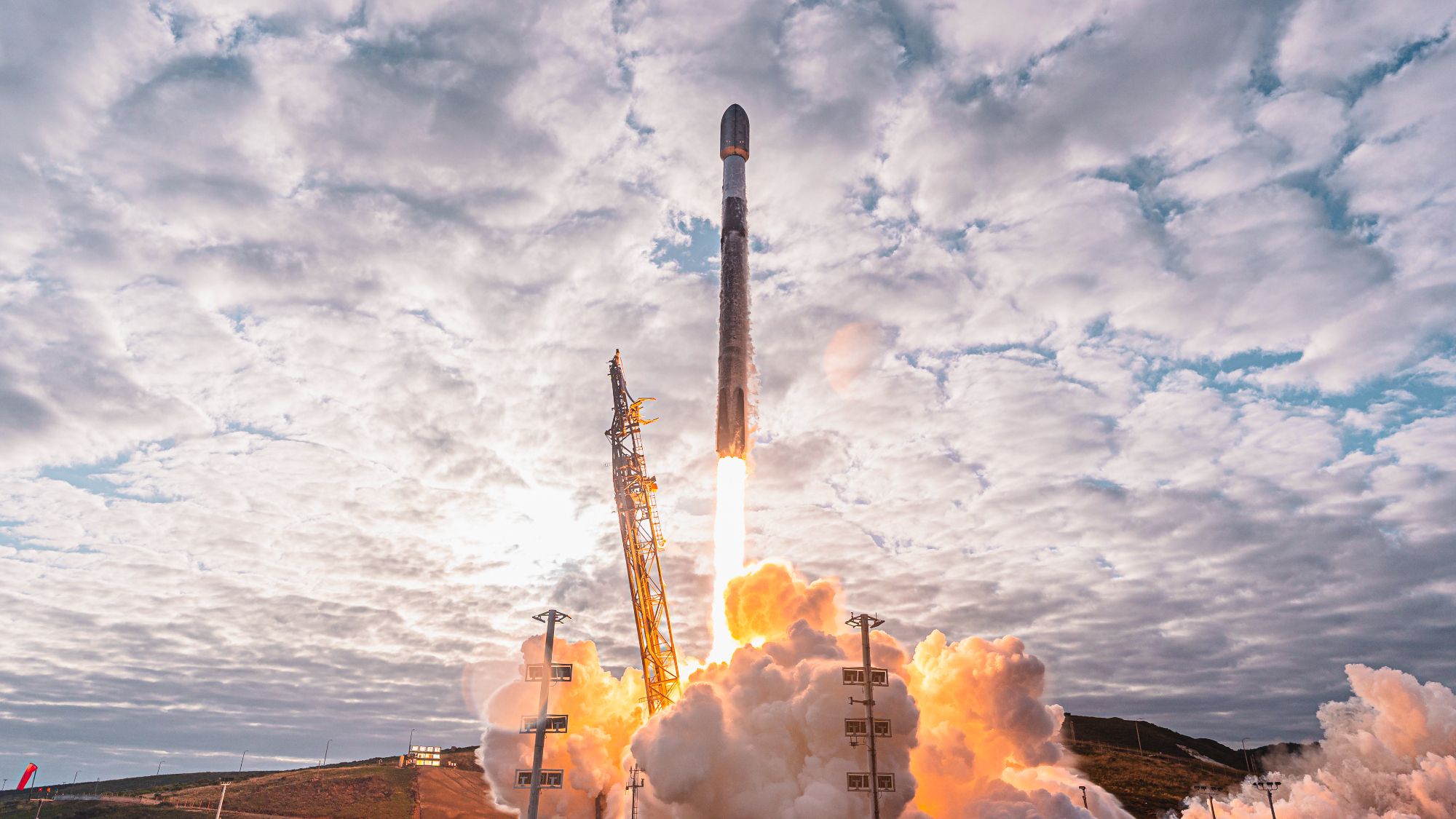
AUSTRALIA —
Key facts
- Falcon 9 launched 25 Starlink satellites on April 26 from Vandenberg SFB at 10:37 a.m. EDT.
- Booster B1088 completed its 15th launch and landing on droneship 'Of Course I Still Love You'.
- SpaceX's 50th mission of 2026; 42 of those have been Starlink deployments.
- A separate Falcon 9 launched 24 Starlink satellites on April 29 from Vandenberg at 7:42 p.m. PDT.
- That booster, B1093, made its 13th flight and landed on the same droneship for the 194th time.
- SpaceX has achieved 606 booster landings to date.
- Falcon Heavy has not flown since October 2024; its next launch, carrying ViaSat-3 F3, was delayed by weather.
- Starship is preparing for its 12th suborbital test flight, possibly next month.
A record pace of orbital launches
SpaceX reached its 50th orbital launch of 2026 on Sunday, April 26, when a Falcon 9 rocket carrying 25 Starlink broadband satellites lifted off from Vandenberg Space Force Base in California at 10:37 a.m. EDT. The mission underscores the company’s relentless cadence: more than 80 percent of its launches this year have been devoted to building out the Starlink constellation. Forty-two of SpaceX’s 50 missions in 2026 have been Starlink flights, adding hundreds of satellites to what is already the largest constellation ever assembled. The network now comprises nearly 10,300 active spacecraft, a figure that grows with each launch.
Two Falcon 9 launches in three days
Just three days later, on Wednesday April 29, SpaceX launched another Falcon 9 from the same West Coast base. The Starlink 17-36 mission carried 24 satellites and lifted off from Space Launch Complex 4 East at 7:42:49 p.m. PDT. The rocket flew on a south-southwesterly trajectory before its first stage separated and returned to Earth. Both launches demonstrated the reusability that underpins SpaceX’s economics. The Sunday flight used booster B1088 on its 15th mission; the Wednesday flight used B1093 on its 13th. Each booster had previously flown a mix of Starlink batches, dedicated rideshare missions, and contracts for the Space Development Agency.
Precision landings on a Pacific droneship
About eight minutes after each liftoff, the first stage touched down on the droneship ‘Of Course I Still Love You’ stationed in the Pacific Ocean. The Sunday landing marked the 15th successful recovery for B1088; the Wednesday landing was the 194th on that particular vessel and the 606th booster landing in SpaceX’s history. The upper stage of the Wednesday rocket continued to low Earth orbit, deploying its 24 satellites on schedule a little over 61 minutes after launch, according to a company social media post. The Sunday mission’s deployment also proceeded as planned.
Falcon Heavy and Starship await their turns
All 50 of SpaceX’s 2026 launches have been conducted by Falcon 9 rockets. The company’s other vehicles — Falcon Heavy and Starship — have not flown this year. A Falcon Heavy was scheduled to lift off on Monday April 27 carrying the ViaSat-3 F3 communications satellite, but poor weather forced a postponement. SpaceX now aims for Wednesday April 29, which would be the first Falcon Heavy launch since October 2024. Starship, still in its test-flight phase, is being prepared for its 12th suborbital trial, which could occur as soon as next month. The vehicle is central to SpaceX’s ambitions for lunar and Martian exploration.
On track to challenge its own launch record
With 50 launches in the first four months of 2026, SpaceX is on pace for roughly 160 orbital missions by year’s end. That would fall just short of the company record of 165 orbital launches set in 2025, though the total number of SpaceX liftoffs last year reached 170 when including five suborbital Starship tests. The relentless launch tempo, driven overwhelmingly by Starlink, shows no sign of slackening. Each mission reinforces SpaceX’s dominance in commercial spaceflight and expands the infrastructure for global broadband internet.
The bottom line
- SpaceX has completed 50 orbital launches in 2026, 42 of them for Starlink.
- Two Falcon 9 launches within three days added 49 Starlink satellites to the constellation.
- Booster reusability remains central: B1088 flew its 15th mission, B1093 its 13th.
- SpaceX’s total booster landings reached 606, with 194 on the droneship ‘Of Course I Still Love You’.
- Falcon Heavy has not launched since October 2024; its next flight was delayed by weather.
- Starship’s 12th suborbital test could happen as soon as next month.


May's Sky Delivers Two Full Moons: Flower Moon and Rare Blue Moon
May 2026 Brings Two Full Moons and a Meteor Shower from Halley's Comet
May 2026 Brings Two Full Moons, Including a Rare Blue Moon, and the Eta Aquarid Meteor Shower
