Islamic State-linked women and children return to Australia
Thirteen Australian citizens, including four women and nine children, have landed back in Melbourne and Sydney after nearly seven years in a Syrian refugee camp.

AUSTRALIA —
Key facts
- Thirteen Australian citizens linked to the Islamic State have returned to Australia.
- The group includes four women and nine children.
- They spent approximately seven years in the al-Roj detention camp in northern Syria.
- Flights carrying the group landed in Melbourne and Sydney on Thursday.
- Australian Federal Police expect to arrest some individuals upon arrival.
- The women are sometimes referred to as 'ISIS brides' due to their alleged links to IS fighters.
- At least 70 foreign fighters, women, and children have returned from Syria since 2019.
Returnees arrive in Melbourne and Sydney
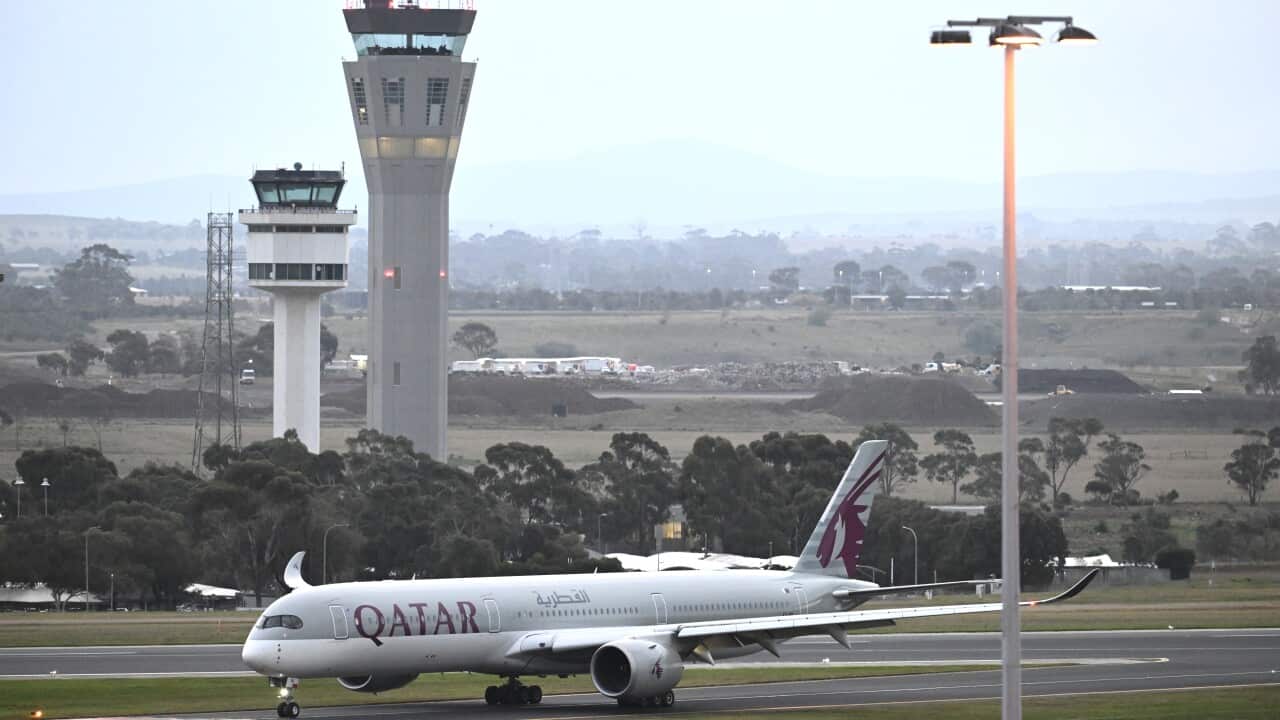
Thirteen Australian citizens, including four women and nine children, have arrived back in Australia after spending nearly seven years in a northern Syrian refugee camp. The group landed in Melbourne and Sydney on Thursday, with federal police anticipating arrests and further investigations upon their arrival. These individuals are linked to the so-called Islamic State (IS) and have been living in the al-Roj detention camp since 2019, following the territorial collapse of the extremist organisation. Home Affairs Minister Tony Burke has stated that the government provided no assistance for the group's journey, condemning their initial decision to travel to Syria during the rise of IS. The women are often referred to as 'ISIS brides' due to their perceived or actual connections to IS fighters. Their return marks a significant development after years of diplomatic limbo. One flight carrying three women and eight children and grandchildren landed at Melbourne's Tullamarine airport at approximately 5:35 pm. A second flight from Doha arrived at Sydney airport around 5:45 pm, according to reports.
Police prepare for arrests and investigations
Australian Federal Police Commissioner Krissy Barrett confirmed on Wednesday that law enforcement would be present to meet the returning group. "Some individuals will be arrested and charged," Barrett stated, adding that others would face ongoing investigations once in Australia. This indicates a stringent approach to those with alleged ties to the militant group. NSW Police Commissioner Mal Lanyon had earlier told 2GB News that state authorities were collaborating with federal counterparts, and that several of the returning women were expected to be arrested. Charges are likely to relate to terrorism offences, signalling the seriousness with which authorities view their alleged involvement with IS. The group of 13 is part of a larger cohort of at least 34 Australian citizens, primarily women and children, who have been residing in the al-Roj camp. Their return has been a complex and politically charged issue for the Australian government.
A journey shrouded in secrecy and debate
The journey of these four women—Kawsar Abbas, Zeinab Ahmed, Zahra Ahmed, and Janain Safar—and their nine children, who are all from the same extended family, was initially planned with considerable secrecy. They departed the al-Roj camp a fortnight ago, escorted by two male family members. Their departure from the camp in northern Syria in late April was reportedly a multi-legged journey culminating in their arrival in Australia, with Home Affairs Minister Tony Burke indicating Damascus as a transit point. Their exit from Kurdish-controlled territory was complicated when Kurdish authorities inadvertently revealed the group's departure, alerting international media. This disclosure led to Syrian officials intercepting and turning the group back, fuelling speculation that the Australian government may have requested a delay while attempting to impose a Temporary Exclusion Order on one of the women. However, the government maintains it did not facilitate their travel beyond fulfilling its legal obligation to provide passports. This situation has ignited political debate, with opposition parties accusing the Labor government of facilitating the return. The government, conversely, asserts it has only performed the minimum legal requirement for its citizens. Former Home Affairs boss Mike Pezzullo, who managed the repatriation of 23 individuals under previous administrations, described such returns as an "inevitability."
Broader context of returns from Syria
The return of these 13 individuals is part of a wider trend of foreign nationals, including Australian citizens, returning from conflict zones in Syria. Since the fall of Islamic State in 2019, at least 70 foreign fighters, women, and children have made their way back from Syria. The Australian government has faced ongoing challenges in managing the repatriation of its citizens who travelled to the region during the height of IS activity. Authorities have been preparing for such returns for years, acknowledging the government's limited ability to permanently prevent citizens from coming home. The federal government received official notification of the booked flights only recently, prompting swift confirmation from federal police regarding potential charges. The political discourse surrounding these repatriations highlights the delicate balance between national security concerns and the legal rights of citizens. The group's long stay in the al-Roj camp, which began in 2019, underscores the protracted nature of the diplomatic and logistical challenges involved in processing individuals with alleged links to extremist organisations. Their return to Australia brings these complex issues to the forefront of public and governmental attention.
The bottom line
- Thirteen Australian citizens with suspected links to the Islamic State have returned to Australia after nearly seven years in a Syrian camp.
- Federal police are poised to arrest and charge some of the returning women upon arrival in Melbourne and Sydney.
- The Australian government denies facilitating the group's journey, stating it only fulfilled legal obligations regarding passports.
- The women are sometimes referred to as 'ISIS brides' due to their alleged connections to IS fighters.
- Their return is part of a broader trend of foreign nationals repatriating from conflict zones in Syria since 2019.
- Political debate continues regarding the government's handling of these repatriations and national security implications.

Antarctic Blast to Bring Snow to Australian Capitals

Arctic Blast Plunges Millions into Deep Freeze as May Cold Front Shatters Spring Warmth

Sir Alex Ferguson Hospitalized After Falling Ill at Old Trafford Before Liverpool Match
