CAR Opposition Leader Denounces Diplomatic Passport Seizure
Anicet Georges Dologuélé labels the confiscation of his travel document an "abuse of power" by the government.
AUSTRALIA —
Key facts
- Anicet Georges Dologuélé is a former prime minister of the Central African Republic.
- Dologuélé is a major opposition figure in the Central African Republic.
- He criticized the confiscation of his diplomatic passport.
- Dologuélé stated the seizure was an "abuse of power".
- The incident occurred on a Wednesday.
Passport Confiscation Sparks Outcry
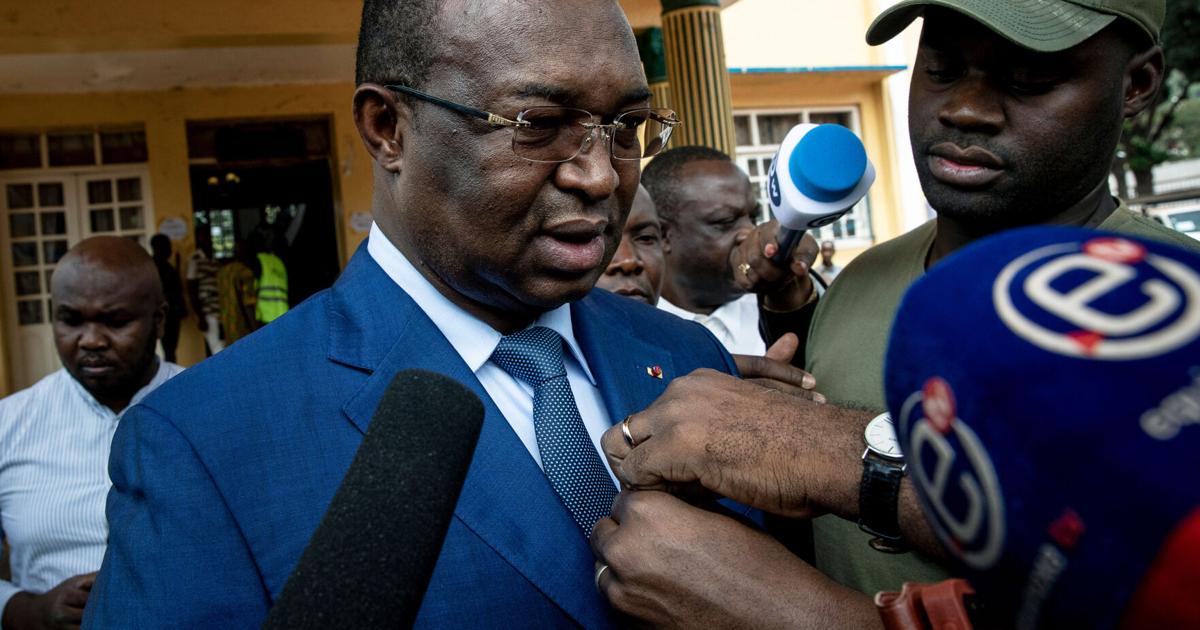
Central African Republic's former prime minister and prominent opposition figure, Anicet Georges Dologuélé, has publicly denounced the seizure of his diplomatic passport. The move, which he learned of on Wednesday, has been characterized by Dologuélé as a blatant abuse of governmental authority. His criticism highlights a growing tension between the opposition and the current administration. The confiscation of a diplomatic passport, a document typically afforded to high-ranking officials for international travel, raises questions about the government's intentions and its treatment of political adversaries. Dologuélé, a significant voice within the nation's political landscape, wasted no time in condemning the action. His statement frames the passport seizure not as a routine administrative measure, but as a deliberate act of political suppression.
Dologuélé's Stance on "Abuse of Power"
In his strong denunciation, Dologuélé explicitly labelled the confiscation of his diplomatic passport as an "abuse of power." This accusation directly implicates the government in using its authority to restrict the movement and potentially the political activities of opposition leaders. The former prime minister's statement, made on Wednesday, underscores the urgency and gravity with which he views the situation. He suggests that the state apparatus is being employed for purposes beyond its legitimate functions, specifically targeting political opponents. This incident is likely to fuel further political debate and scrutiny regarding the state of civil liberties and the rule of law within the Central African Republic. The government has yet to issue a formal response to Dologuélé's accusations.
Context of Political Opposition
Anicet Georges Dologuélé is recognized as a major opposition figure within the Central African Republic. His past role as prime minister positions him as a leader with significant experience and a substantial following. The Central African Republic has navigated a complex political history, often marked by instability and power struggles. Opposition figures frequently voice concerns about governmental overreach and the suppression of dissent. In this context, the seizure of Dologuélé's diplomatic passport can be interpreted as a move that could potentially hinder his ability to engage in international diplomacy or travel, thereby impacting his role as a key opposition voice.
Diplomatic Passports and Their Significance
Diplomatic passports are issued to individuals representing their country abroad, often including former heads of state, prime ministers, and high-ranking diplomats. They signify a level of official status and are generally intended to facilitate international travel for diplomatic purposes. The confiscation of such a document is therefore an unusual step, particularly when directed at a prominent opposition leader. It suggests a deliberate action aimed at restricting the bearer's international mobility and potentially signaling a deterioration in political relations. The implications of this action extend beyond the individual, potentially signaling a broader crackdown on opposition activities or a hardening of the government's stance towards political dissent.
Broader Implications for CAR Politics
The outspoken criticism from Dologuélé places the government under international scrutiny. The charge of "abuse of power" is serious and, if substantiated, could damage the nation's reputation on the global stage. This event occurs against a backdrop of ongoing political developments in the Central African Republic. How the government responds to this accusation and whether it provides a justification for the passport seizure will be closely watched. The situation underscores the delicate balance of power and the persistent challenges to democratic norms that often characterize the nation's political environment. The coming days will likely reveal more about the government's strategy and the opposition's next moves.
The bottom line
- Former CAR Prime Minister Anicet Georges Dologuélé had his diplomatic passport confiscated.
- Dologuélé, a key opposition figure, described the seizure as an "abuse of power".
- The incident occurred on a Wednesday.élé.
- Diplomatic passports are typically issued to high-ranking officials for international representation.
- The confiscation raises concerns about political freedoms and governmental actions within the Central African Republic.

Antarctic Blast to Bring Snow to Australian Capitals

Arctic Blast Plunges Millions into Deep Freeze as May Cold Front Shatters Spring Warmth
