NSW Police Told Officers Not Required to Stay Entire Hanukkah Event Where 15 Died
A royal commission reveals police were advised they did not need to remain for the full duration of the Bondi Beach celebration, despite explicit warnings of a likely terrorist attack.
AUSTRALIA —
Key facts
- The Royal Commission on Antisemitism and Social Cohesion delivered 14 interim recommendations on Thursday.
- 15 people were killed in the December 14 terror attack at the Chanukah by the Sea event in Bondi Beach.
- Community Security Group NSW warned NSW Police on December 8 of a heightened threat risk and requested police assistance for the entirety of the event.
- Three general duties officers and one supervisor were allocated to the event; an officer from Eastern Suburbs PAC attended at various times.
- Police were told in an email three days before the attack: 'no need to stay the entire duration, but your presence will ensure the community feel safe'.
- NSW Police did not produce a written risk assessment for the event, the commission found.
- Commissioner Virginia Bell recommended deploying High Holy Days security procedures for other high-risk Jewish festivals.
- Prime Minister Anthony Albanese accepted all recommendations from the interim report.
A Celebration Turned to Carnage
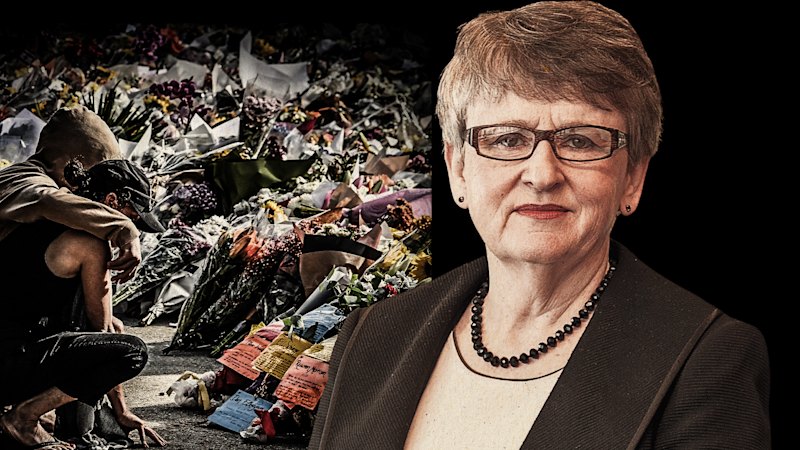
On December 14, as the Jewish community gathered at Bondi Beach for the Chanukah by the Sea festival, two gunmen allegedly inspired by Islamic State opened fire, killing 15 people, most of them Jewish. The attack, the deadliest in Australian history, unfolded despite repeated warnings from the community and intelligence agencies that such a strike was likely. The Royal Commission on Antisemitism and Social Cohesion, established in the wake of the tragedy, released its interim report on Thursday, laying bare the security failures that preceded the bloodshed. Commissioner Virginia Bell's 159-page document details how police resources were allocated—and ultimately deemed insufficient—for an event that had been explicitly flagged as a target.
Warnings Ignored: The Community's Plea for Protection
Six days before the attack, on December 8, the Community Security Group NSW (CSG NSW), the volunteer-led organisation responsible for securing Jewish institutions, emailed NSW Police. The email listed 13 upcoming Jewish communal events in the eastern suburbs and stated bluntly: 'a terrorist attack against the NSW Jewish Community is likely.' It specifically requested police assistance for the Chanukah by the Sea event 'for the entirety' of its duration. CSG NSW had prepared risk assessments for the three major Hanukkah celebrations scheduled that night. The organisation told police that the threat level was heightened and that their presence was needed 'to ensure community safety.' Yet, according to the commission, a NSW Police officer responded that the force 'could not provide static resources' for the event, though mobile patrols from the Eastern Suburbs Police Action Command would 'check in and monitor.'
Police Allocation: A Fraction of What Was Asked
reveals that three general duties officers and one supervisor were assigned to the Chanukah by the Sea event. An officer from the Eastern Suburbs Police Area Command attended at 'various times.' In an email sent three days before the attack, the officers tasked with the event were instructed: 'there is no need to stay the entire duration, but your presence will ensure the community feel safe.' Commissioner Bell noted that the Eastern Suburbs PAC Operations Inspector had asked two rostered inspectors to attend the event, 'take a car crew or two and provide a high visibility policing presence,' but explicitly stated that staying the whole time was unnecessary. also found that NSW Police did not produce a written risk assessment for the event, a significant omission given the known threat environment.
A Climate of Fear: ASIO Warnings and Rising Antisemitism
The attack occurred against a backdrop of heightened terrorism alerts. The Australian Security Intelligence Organisation (ASIO) had 'publicly and repeatedly' drawn attention to the elevated risk of terrorism and a 'disturbing escalation' of antisemitic incidents between August 2024 and the end of 2025. The Jewish community, already on edge after the October 7 Hamas attacks on Israeli citizens, had been vocal about their fears. confirms what community leaders had long asserted: they knew their community was at significant risk, they raised it repeatedly—both publicly and privately—and they feared police protection was inadequate. The tragedy proved them right.
Commissioner Bell's 14 Recommendations
contains 14 recommendations, five of which have not been made public. Among the disclosed measures, Commissioner Bell called for the security procedures used during the Jewish High Holy Days—which involve the Major Events Group, the Counter-Terrorism and Special Tactics Command, CSG NSW, and the Jewish Board of Deputies—to be deployed for other high-risk Jewish festivals and events. She also urged governments to prioritise nationally consistent firearm legislation and demanded an urgent review of joint counterterrorism teams across Australia, with findings submitted to police commissioners. Prime Minister Anthony Albanese accepted all recommendations, stating his government would implement them.
Beyond Security: The Broader Failure to Address Antisemitism
focuses on security agency responses, it acknowledges that the deadliest terror attack in Australia's history cannot be attributed solely to security failures. points to a broader institutional and societal failure to address widespread antisemitism following the October 7 attacks. The commission will continue its inquiry, though it has made clear that the alleged shooters' motivations will not be examined in public forums. Instead, the focus will remain on whether police and governments responded seriously enough to terrorism threat warnings from intelligence agencies.
What Comes Next: Implementing Change
With all 14 recommendations accepted by the federal government, the onus now falls on NSW Police and other agencies to act. is expected to delve deeper into systemic issues, including the adequacy of threat assessments and resource allocation for community events. For the Jewish community in Sydney, the interim report offers a measure of validation—but also a stark reminder that their warnings were met with a muted response. The question that lingers is whether the recommended changes will be enough to prevent another tragedy.
The bottom line
- NSW Police were told they did not need to stay for the entire duration of the Chanukah by the Sea event, despite explicit warnings of a likely attack.
- The Royal Commission on Antisemitism and Social Cohesion found that no written risk assessment was produced for the event.
- CSG NSW had requested police assistance for the entirety of the event, but only three general duties officers and one supervisor were allocated.
- The attack occurred amid heightened ASIO terrorism warnings and a surge in antisemitic incidents.
- Commissioner Virginia Bell recommended that High Holy Days security protocols be extended to other high-risk Jewish events.
- Prime Minister Anthony Albanese accepted all 14 interim recommendations, but broader societal failures to address antisemitism remain a concern.

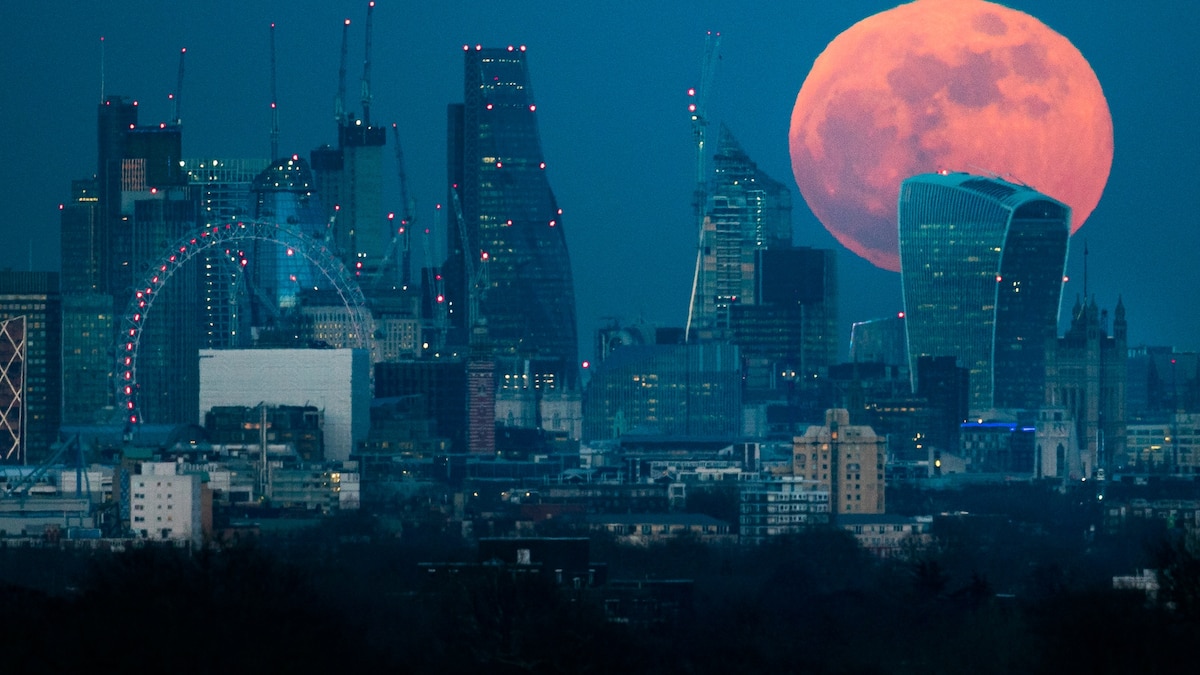
May's Sky Delivers Two Full Moons: Flower Moon and Rare Blue Moon
May 2026 Brings Two Full Moons and a Meteor Shower from Halley's Comet
May 2026 Brings Two Full Moons, Including a Rare Blue Moon, and the Eta Aquarid Meteor Shower
