Starbucks Expands in Nashville Amid Seattle Tax Scrutiny
The coffee giant's move to hire 2,000 workers in Tennessee raises questions about Washington state's business climate.

AUSTRALIA —
Key facts
- Starbucks plans to hire 2,000 workers at a new Nashville office.
- Seattle Mayor Katie Wilson publicly urged a boycott of Starbucks in November.
- Washington state implemented a 9.9% income tax on households earning over $1 million.
- Tennessee has the nation's eighth-best tax climate for businesses.
- Nashville's average hourly wage is 28% lower than Seattle's.
- Starbucks has closed five additional stores in Seattle.
- Tennessee has no personal income tax.
Nashville Beckons as Seattle Faces Business Headwinds
Starbucks has announced plans to establish a new office in Nashville, Tennessee, creating an estimated 2,000 support jobs. This expansion into a state known for its favorable business tax climate comes as the coffee giant faces scrutiny and store closures in its home city of Seattle. The move highlights a growing trend of businesses considering tax implications and operational costs when deciding on expansion or relocation. The decision to bolster its presence in Nashville has ignited debate in Seattle, with local radio host Gee Scott suggesting that public criticism from Seattle Mayor Katie Wilson may have contributed to the company's outward shift. Scott argued that while not the sole cause, such public pronouncements should have been handled with more diplomatic consideration, especially given the competitive landscape for attracting and retaining businesses. "I'm not saying that the mayor of Seattle is the reason that Starbucks is doing this. I'm saying that there should have been a grown-up discussion and conversation," Scott stated on KIRO Newsradio's "The Gee and Ursula Show." He specifically took issue with Wilson's November call at a barista picket line: "I'm not buying Starbucks and neither should you."
Tax Climate Shifts the Balance
A key factor appearing to draw Starbucks to Nashville is Tennessee's advantageous tax environment. According to the Tax Foundation's 2025 survey, Tennessee ranks eighth nationally for its business tax climate, encompassing income, business, sales, property, and unemployment insurance rates. This contrasts sharply with Washington state, which recently enacted a significant tax policy change. In March, Washington state Democrats passed a first-of-its-kind income tax, targeting households earning over $1 million annually with a 9.9% rate on income exceeding that threshold. This "millionaires tax," set to take effect in 2028, has drawn criticism from conservatives who predict it could eventually impact middle-income earners. The passage of this tax, coupled with other business costs, is seen by some as contributing to a less welcoming environment for large corporations. Tennessee's lack of a personal income tax is particularly appealing to high earners, including many of Starbucks' executive officers. Company filings indicate that several named executive officers, including CEO Howard Schultz, earned millions in total compensation in fiscal year 2025, suggesting that the financial benefits of operating in a no-income-tax state could be substantial for top management.
Labor Costs and Talent Pool
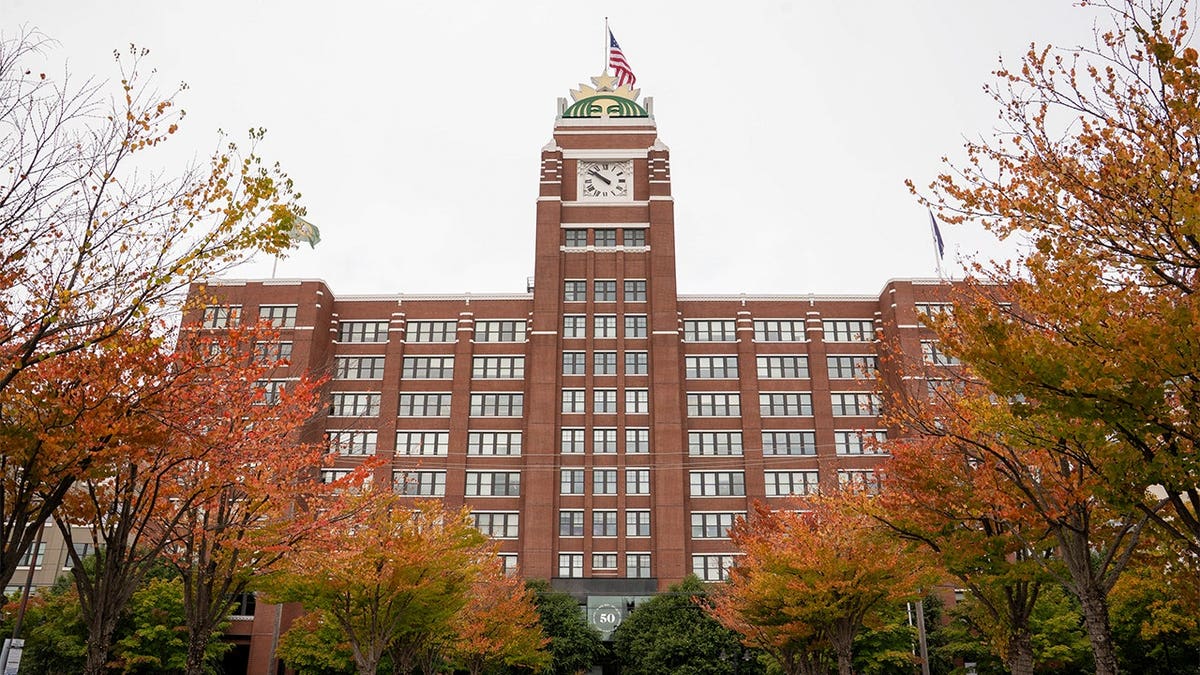
Beyond tax advantages, the cost of labor in Nashville presents another compelling argument for Starbucks' expansion. Data from 2024 indicates that the average hourly wage in the greater Nashville area stands at $31, which is 5% below the national average. Crucially for employers, this figure is 28% lower than the average hourly wage in the Seattle area. This wage differential is even more pronounced for specialized roles, such as the information technology positions that will constitute over half of the jobs at Starbucks' new Nashville office. The prospect of securing skilled talent at a significantly lower cost is a powerful incentive for companies seeking to optimize operational expenses. While Starbucks asserts that its Seattle headquarters will remain, the company's strategic decision to place a substantial portion of its support roles in Nashville underscores a broader calculation of economic factors. The announcement follows a series of store closures in Seattle, including the prominent Starbucks Reserve Roastery on Capitol Hill, signaling a potential recalibration of its footprint in its founding city.
Seattle's Business Relations Under a Microscope
The narrative surrounding Starbucks' Nashville expansion has also brought renewed attention to the relationship between Seattle's leadership and its corporate residents. KIRO host Ursula Reutin echoed Scott's sentiment, noting that other cities are actively courting businesses with enticing offers, creating a competitive environment that Seattle must navigate carefully. "There are other cities that are waking up, or have woken up, and have said, ‘Hey, we're going to compete for this business,'" Reutin observed. This suggests that Seattle's approach to business regulation and taxation may be perceived as less advantageous compared to municipalities actively seeking to attract investment. Mayor Wilson's public stance, while perhaps intended to support workers, has been characterized by some as counterproductive. A Seattle business reporter questioned the mayor's approach, suggesting that dialogue should occur within established channels rather than through public boycotts. The situation prompts reflection on how municipal leaders engage with major employers during times of labor disputes or economic shifts.
A Shifting Corporate Landscape
The strategic move by Starbucks to expand its operational base in Nashville, while simultaneously reducing its physical presence in Seattle, reflects a complex interplay of economic incentives, labor costs, and political climates. Tennessee's business-friendly tax policies and lower wage expectations offer a tangible advantage that Starbucks is leveraging. This development is not occurring in a vacuum. Numerous cities are actively vying for corporate investment, creating a dynamic marketplace where states and municipalities must continually assess their attractiveness to businesses. Washington state's recent tax legislation appears to have tipped the scales for some, prompting a re-evaluation of where major companies choose to invest and grow. As Starbucks continues to navigate its operational strategy, the implications for Seattle and other cities remain significant. The company's decision serves as a case study in the ongoing debate about corporate responsibility, taxation, and the factors that influence business location in an increasingly competitive global economy.
The bottom line
- Starbucks is expanding its workforce by 2,000 employees in Nashville, Tennessee.
- Tennessee's business-friendly tax policies and lower labor costs are key attractions.
- Washington state's new income tax on high earners may be influencing corporate decisions.
- Seattle Mayor Katie Wilson's public call for a Starbucks boycott has drawn criticism.
- The coffee giant has also closed several Starbucks locations in Seattle.
- The move highlights the competitive landscape for attracting and retaining businesses.



Antarctic Blast to Bring Snow to Australian Capitals

Arctic Blast Plunges Millions into Deep Freeze as May Cold Front Shatters Spring Warmth