Albanese Government to Revive Tax Trio on Trusts, Capital Gains and Negative Gearing in Budget
Prime minister breaks election pledge as Treasurer Chalmers defends policy shift as a necessary step to build trust with younger voters.
AUSTRALIA —
Key facts
- Next week's federal budget will include changes to capital gains tax, negative gearing and trust taxation.
- The three policies formed part of Labor's 2019 election platform but were abandoned after defeat.
- Prime Minister Albanese promised during the 2022 campaign that negative gearing was 'off the table'.
- Treasurer Jim Chalmers said the government must 'make the right decisions for the right reasons' to build trust.
- The capital gains discount may be halved from 50% to 25%, or replaced with an inflation-indexed allowance.
- Negative gearing changes will be fully grandfathered for existing assets; the CGT overhaul may be partially grandfathered.
- Millennials and Generation Z now constitute a majority of the electorate, making housing tax reform more politically viable.
- The franking credits crackdown from 2019 will not be revived.
Lede: A Tax Overhaul Aimed at the Young
Next week's federal budget will revive three contentious tax policies from Labor's 2019 election campaign — curbs on negative gearing, an overhaul of the capital gains tax discount, and new rules for trust funds — in a package designed to appeal to younger voters grappling with housing affordability and intergenerational inequity. The government has kept the final details tightly held, with some elements still being settled days before the budget. But multiple sources confirmed that the trio of taxes will form the centrepiece of a budget squarely targeting millennials and Generation Z, who now make up a majority of the electorate.
Breaking a Promise on Negative Gearing
The decision marks a sharp reversal for Prime Minister Anthony Albanese, who during last year's election campaign explicitly ruled out changes to negative gearing. Asked in a debate to confirm that 'negative gearing is off the table,' Albanese replied, 'Yeah, it's off the table … the key is supply, and that measure will not boost supply.' He also gave no indication he would reform the capital gains tax. Now, both policies are expected to feature in the budget. The government argues that the political landscape has shifted since 2019, when Labor's tax platform was defeated amid a fierce campaign led by then-Liberal MP Tim Wilson, now shadow treasurer. The franking credits crackdown that was part of that platform will not be revived.
Chalmers Defends Shift as Trust-Building
Treasurer Jim Chalmers has defended the government's change of course, arguing that trust is built by making the right decisions for the right reasons. Asked on Monday whether popularity could justify breaking election promises, Chalmers turned the notion of trust on its head. 'The best way to build trust is to make the right decisions for the right reasons,' he said. 'There are genuine intergenerational concerns and pressures in our budget, in our tax system, in our housing market and in our economy more broadly. A government like ours, a responsible government, cannot ignore the very real pressures and concerns that people have in our communities.' He pointed to the government's earlier decision to alter the stage three tax cuts as a precedent for changing policy after the election.
Design Details: Grandfathering and Discounts
The capital gains tax changes are likely to differ from the 2019 proposal to halve the 50% discount to 25%. A return to the pre-1999 inflation-indexed discount has also been speculated, following a Greens-led Senate inquiry. A key design question is whether the policy will be fully grandfathered — retaining old rules for all existing assets — or partially transitioned. the government plans to keep the old rules for gains already accrued on existing assets but apply new rules to future gains, similar to a proposal by independent MP Allegra Spender. Negative gearing changes will be fully grandfathered, according to several sources, but it remains unclear whether the policy will cap the number of negatively geared properties, limit it to new builds, or phase it out entirely.
Housing Investment Distortion and Political Calculus
The combination of negative gearing and the capital gains tax discount has made housing investment more attractive than other forms of investment, entrenching it as a popular wealth management tool for many Australians. The government's assessment is that the politics of the housing elements are now more favourable than in 2019, given the demographic shift toward younger voters who are priced out of home ownership. Chalmers acknowledged the intergenerational pressures, saying, 'As these pressures have been building, obviously we calibrate our budgets to the conditions that we confront.' The budget is expected to spark a fierce debate about housing, wealth and fairness between generations.
What Comes Next: Open Questions and Stakes
The final shape of the policies remains uncertain, with the government leaving some details to the last minute. The extent of grandfathering for the capital gains tax and the precise mechanism for negative gearing curbs are still being debated. The budget will also need to navigate the political fallout from breaking a clear election promise, a risk Albanese was highly reluctant to take in his first term. Chalmers has sought to frame the shift as a necessary evolution, but critics argue it undermines trust in the government's word. The coming weeks will test whether voters accept the treasurer's argument that breaking a promise can itself be a way to build trust.
Closing Analysis: A Gamble on Intergenerational Justice
The Albanese government is betting that young voters will reward it for tackling housing affordability, even at the cost of a broken promise. By reviving policies that failed in 2019 but tailoring them with grandfathering and partial transitions, the government hopes to avoid the fierce backlash that sank Labor's previous attempt. Yet the political calculus is delicate: older homeowners who benefit from the current tax settings may feel betrayed, while younger voters may see the changes as too modest. The budget will reveal whether the government has struck a balance that can rebuild trust — or whether it has merely opened a new front in Australia's long-running tax wars.
The bottom line
- The budget will introduce changes to capital gains tax, negative gearing, and trust taxation — all from Labor's 2019 platform.
- Prime Minister Albanese broke his election promise to keep negative gearing unchanged.
- Treasurer Chalmers defends the policy reversal as a necessary step to address intergenerational inequity and build trust.
- The capital gains discount may be halved or replaced with an inflation-indexed allowance; negative gearing changes will be fully grandfathered.
- The government is targeting millennial and Gen Z voters, who now form a majority of the electorate.
- The franking credits crackdown from 2019 will not be revived.


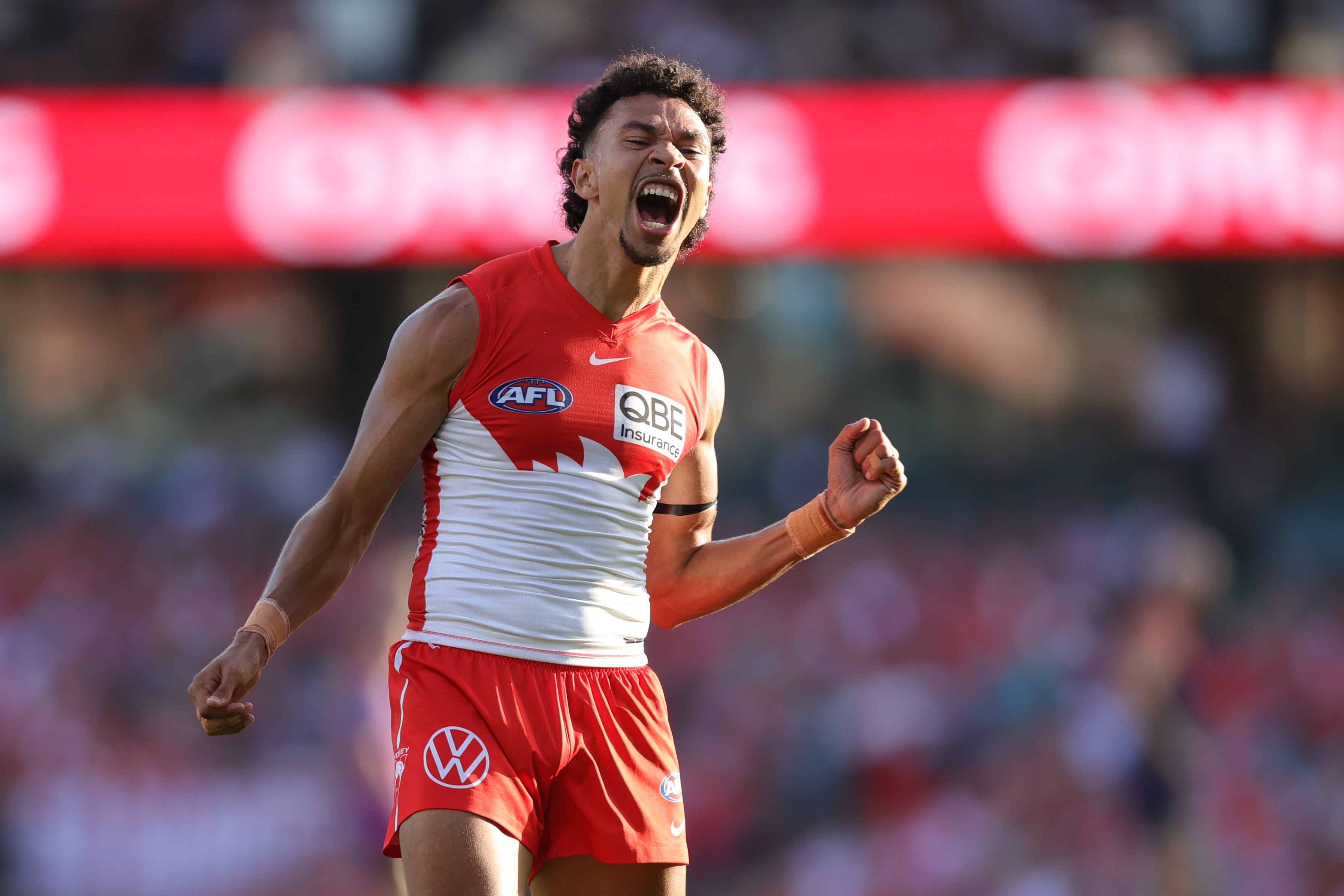
Sydney Swans Snap Melbourne's Unblemished Sunday Record with 17-Point Victory at SCG

Malcom Rosas’s seven-goal haul propels Sydney Swans to 17-point win over Melbourne
