The Fractured Meaning of Zionism Fuels Global Debate
A term central to Jewish identity and Palestinian aspirations has become a lightning rod for accusation and contention.

AUSTRALIA —
Key facts
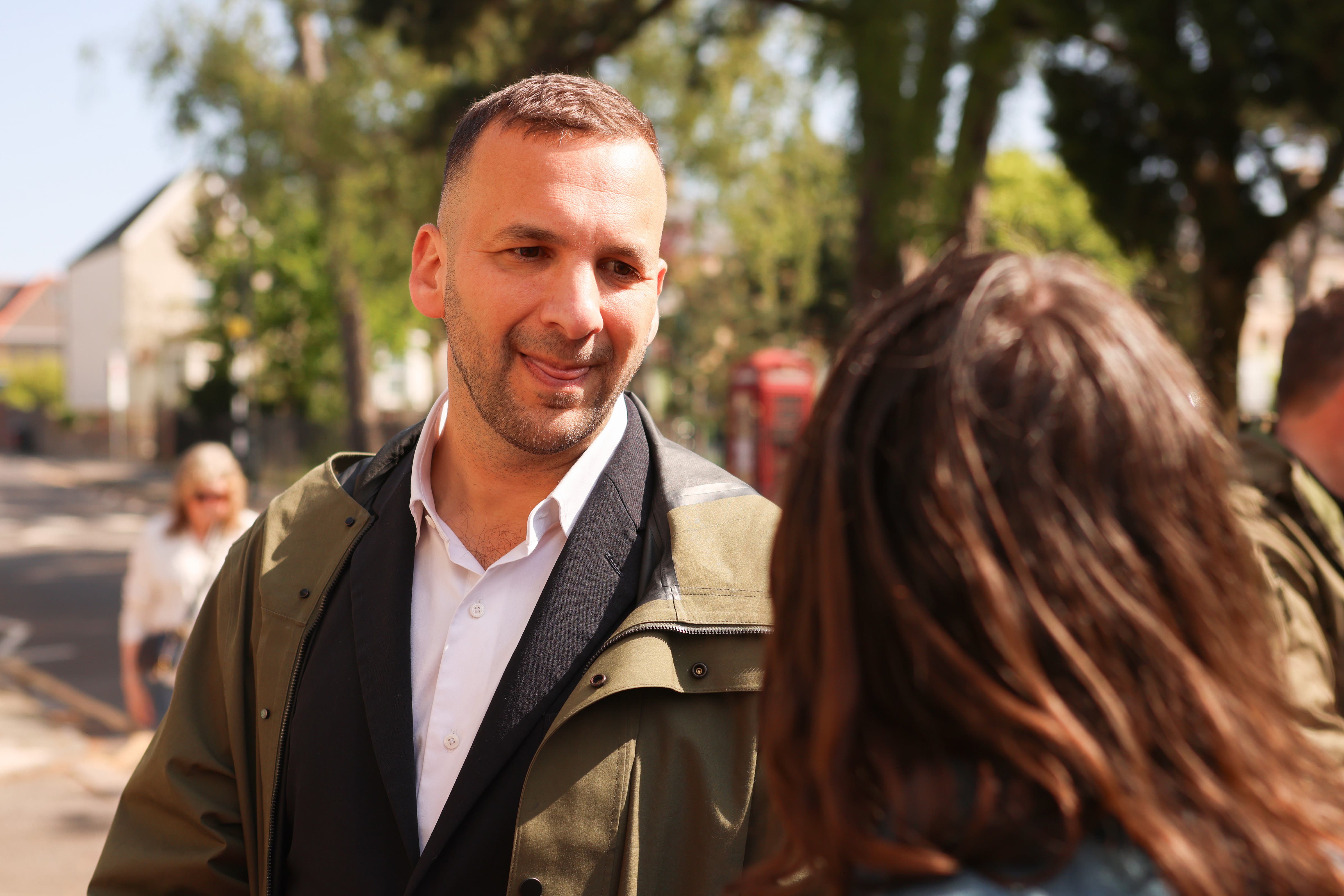
- Green candidate Aziz Hakimi blamed Zionists for 9/11.
- Feda Shahin alleged Zionists killed 20 million Christians in the Soviet Union.
- A Bristol cafe renamed itself to avoid being a "barrier" to customers.
- Protesters in New York declared "Zionists are not welcome here".
- The Oxford dictionary defines Zionism as support for a Jewish nation in Palestine.
- Wikipedia's definition states Zionists aimed for a Jewish state with "as few Palestinian Arabs as possible".
- Zionism emerged in the late 1800s amid European pogroms against Jews.
A Word Under Siege
The term "Zionism" has become a focal point of intense global debate, its meaning contested and its adherents subject to increasingly strident accusations. From accusations of orchestrating global tragedies to calls for "Zionist-free zones," the word is now a potent symbol in a deeply polarized discourse. This escalating rhetoric highlights a profound disconnect in understanding, where a concept central to Jewish identity is simultaneously framed as a political project of oppression. Recent incidents underscore the intensity of this linguistic battle. In the United Kingdom, a motion at the Green Party Spring conference to label "Zionism as racism" narrowly failed to pass due to time constraints. Meanwhile, a Bristol cafe, formerly known as the "Zion Community Space," underwent a name change, with management citing it as "a barrier" to patrons. These events are symptomatic of a broader trend where the term itself has become a flashpoint. Internationally, the sentiment is mirrored. In New York, a city with one of the largest Jewish populations outside Israel, protesters publicly declared, "Zionists are not welcome here." Simultaneously, movements are emerging with the explicit aim of establishing "Zionist-free zones" in areas like parts of Scotland and on university campuses. Such actions signal a deliberate attempt to ostracize and delegitimize.
Divergent Interpretations of a Political Project
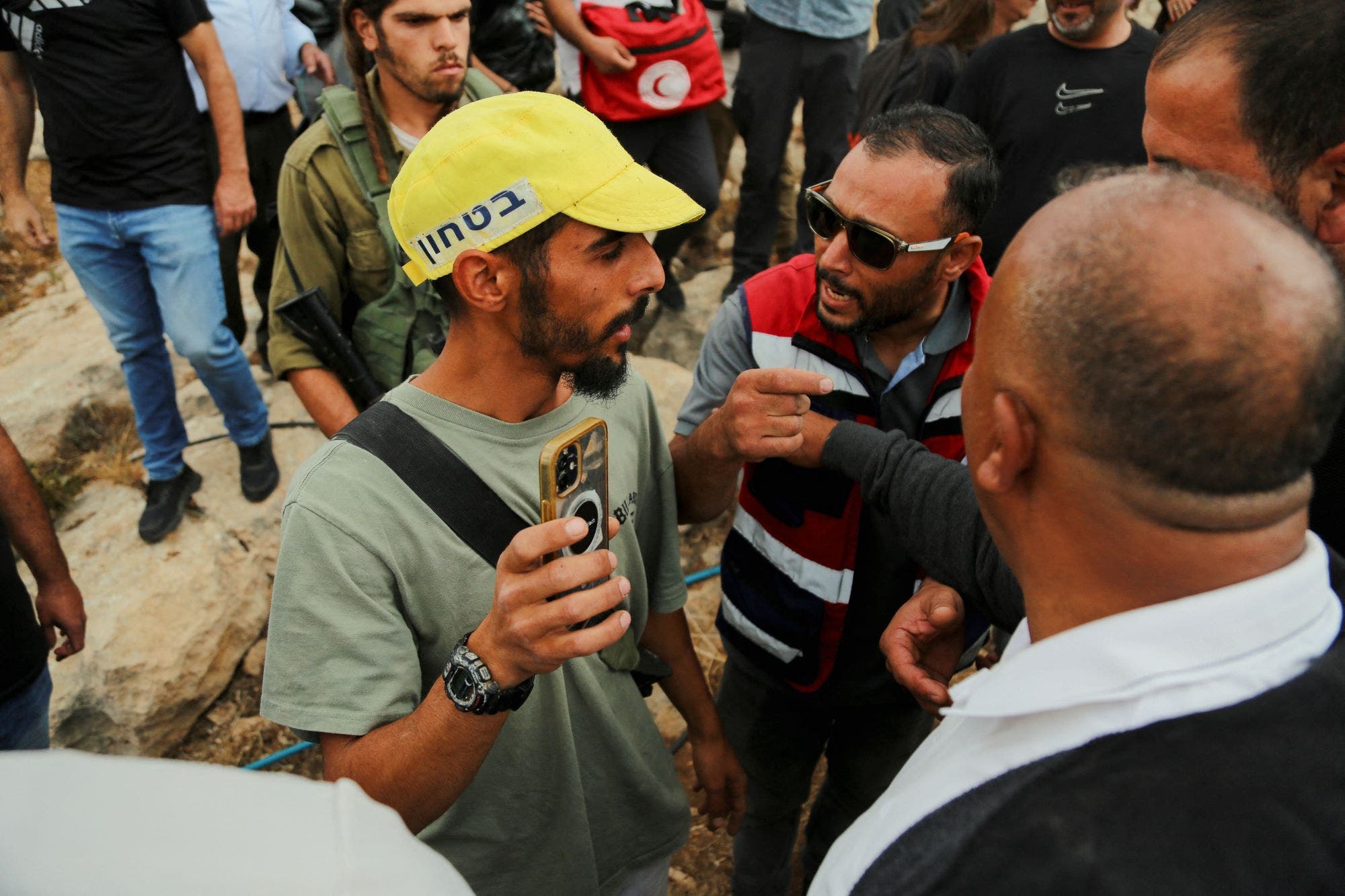
At the heart of the controversy lies a fundamental divergence in how Zionism is understood. For those identifying as pro-Palestinian, Zionism is primarily viewed as a political ideology inextricably linked to the occupation of Palestinian territories, the expansion of settlements, and the displacement and marginalization of the Palestinian people. This perspective frames Zionism as the driving force behind ongoing conflict and injustice. Conversely, for a significant majority of Jews, both within Israel and across the diaspora, Zionism is deeply intertwined with the concept of self-determination and the imperative of safety. This understanding is rooted in centuries of persecution, culminating in the horrors of the Holocaust, which underscored the need for a sovereign Jewish state. From this viewpoint, any wholesale rejection of Zionism can be perceived as an implicit denial of the legitimacy of Jewish nationhood itself, with anti-Zionism often equated to a contemporary form of antisemitism. This chasm in interpretation is not merely academic; it has tangible consequences for public discourse and political action, fueling accusations and hardening positions on all sides of the debate.
Defining Zionism: A Contested Lexicon
The very definition of Zionism has become a battleground, illustrating the difficulty in finding common ground. The Oxford dictionary offers a concise definition: "A movement for (originally) the re-establishment of a Jewish nation in Palestine and (now) the development and protection of Israel." This definition, while historically accurate, fails to capture the full spectrum of contemporary debate. The online encyclopedia Wikipedia became an arena for this struggle, with constant edits and counter-edits by activist users attempting to shape its definition. The intensity of these disputes led to an unusual, temporary moratorium on editing the entry, locking the definition in place. The current iteration, reflecting a 2024 edit, states: "Zionists wanted to create a Jewish state in Palestine with as much land, as many Jews, and as few Palestinian Arabs as possible." This specific phrasing highlights the contentious nature of the definition, emphasizing the perceived exclusionary aims of the movement's founders and framing it through the lens of Palestinian dispossession. It stands in stark contrast to the self-understanding of many Jews who see Zionism as a fundamental aspect of their identity and a necessary condition for their security.
Historical Roots and Religious Yearning
The concept of a "return" to Zion holds deep historical and religious significance for Jewish people, predating the modern political movement. For centuries, the yearning for Jerusalem and the land of Israel has been a central tenet of Jewish prayer and tradition. The Amidah prayer, recited thrice daily by observant Jews, explicitly includes petitions for the return to Zion. Similarly, the Passover Seder, a ritual meal commemorating the Exodus from Egypt, traditionally concludes with the hopeful declaration, "Next year in Jerusalem." This enduring spiritual connection underscores the profound emotional and historical weight attached to the idea of a Jewish homeland, a desire shaped by a long history of diaspora and exile. The modern Zionist movement, however, emerged in the late 19th century as a direct response to the escalating persecution of Jews in Eastern Europe. Pogroms and expulsions led to mass emigration, with hundreds of thousands of Jews seeking refuge in Western Europe and beyond. This period of intense suffering and statelessness provided the impetus for a political ideology aimed at establishing a secure haven for the Jewish people.
Accusations and the Blurring of Lines
The discourse surrounding Zionism has seen extreme accusations leveled against its proponents. Nicole Lampert, in a letter signed by thousands of Jews urging Israeli President Isaac Herzog to halt settler violence against Palestinians, noted a disturbing trend. She highlights individuals like Green candidate Aziz Hakimi, who falsely blamed Zionists for the 9/11 attacks. Another individual, Feda Shahin, made the unsubstantiated claim that "Zionists killed 20 million Christians" in the Soviet Union and possess a "love of genocide." These inflammatory statements contribute to a climate of hostility and misinformation. The conflation of Zionism with all Jewish people, or with a monolithic political agenda, allows for the generalization of extreme accusations. This blurring of lines is dangerous, as it can foster antisemitism under the guise of political critique. Politicians have also entered the fray. Zarah Sultana of the Labour Party has criticized Jeremy Corbyn for not taking a sufficiently anti-Zionist stance. In a separate instance, Zack Polanski, speaking on ITV, articulated a view that questioned the right of any country to exist, suggesting that debates over national existence were at the root of the Israeli-Palestinian conflict. His statement, "I don’t believe any country has a right to exist. People have a right to exist," reflects a perspective that challenges the foundational principles of nation-states, including Israel.
The Stakes of the Debate
The escalating rhetoric surrounding Zionism carries significant implications. For Jewish communities worldwide, the conflation of Zionism with Jewish identity means that criticism of Israeli policy can easily morph into antisemitism. This perceived threat has led to increased fear and a sense of irreversible damage among some Jewish individuals, who feel their safety and legitimacy are being undermined. The debate also has profound consequences for the pursuit of peace in the Israeli-Palestinian conflict. When the core tenets of one side's national identity are framed as inherently illegitimate or oppressive, the potential for dialogue and compromise diminishes. The insistence on defining Zionism solely through the lens of occupation and dispossession, without acknowledging its roots in Jewish self-determination and historical trauma, creates an insurmountable barrier to understanding. Furthermore, the use of such charged language by political figures and within public spaces can legitimize extremist views and contribute to a climate where discrimination and hostility are normalized. The challenge lies in fostering a discourse that allows for legitimate criticism of Israeli policies without resorting to language that demonizes an entire people or movement.
Navigating a Complex Future
The future of the discourse on Zionism remains uncertain, marked by deeply entrenched positions and a persistent lack of shared understanding. The historical context of Jewish persecution and the religious yearning for a homeland are often overshadowed by contemporary critiques of Israeli actions. Moving forward requires a commitment to precise language and a willingness to acknowledge the multifaceted nature of Zionism. It means distinguishing between legitimate criticism of government policies and the demonization of a people or a foundational ideology. The challenge for international discourse is to create space for nuanced discussion that respects the historical experiences and aspirations of all parties involved. Ultimately, the ongoing debate over Zionism is not merely an academic exercise; it is a reflection of deeply held beliefs, historical grievances, and the ongoing struggle for recognition and security in a complex geopolitical landscape. The resolution, or at least the de-escalation, of this linguistic and ideological conflict is crucial for fostering a more constructive path toward peace and mutual understanding.
The bottom line
- The term "Zionism" is subject to widely divergent interpretations, fueling intense global debate.
- For many Jews, Zionism is inseparable from self-determination and safety, rooted in historical persecution.
- Critics often view Zionism as a political project associated with Palestinian occupation and displacement.
- Extreme accusations against Zionists, including links to terrorism and genocide, have become prominent.
- The definition of Zionism is contested, with online platforms like Wikipedia becoming arenas for linguistic battles.
- The discourse risks conflating criticism of Israeli policy with antisemitism, heightening fears within Jewish communities.


Lions Host Blues in AFL Clash Marked by History and Present Struggles
WA Budget Unveils $100 Fuel Handout Amid $3.5 Billion Surplus
