Victoria’s Budget: $1.1 Billion Lottery Deal Staves Off Deficit as Debt Nears $200 Billion
Treasurer Jaclyn Symes banks on a lottery windfall and a $5 billion war chest to navigate 206 days to an election, while regional pothole repairs face cuts.
AUSTRALIA —
Key facts
- Debt is projected to reach nearly $200 billion by 2028.
- A $1.1 billion lottery licensing deal with The Lottery Corporation saved the budget from a deficit.
- The government has set aside a $5 billion war chest for pre-election decisions.
- Regional pothole patching funding will be cut as the Big Build program is scaled back.
- The budget includes cheaper public transport, car registration cashback, and school optometry services.
- Victoria recorded its first post-pandemic surplus, but financial health remains uncertain.
- The property industry slammed the budget as a missed opportunity.
- The Labor Government is seeking an unprecedented fourth term in 206 days.
A Tightrope Walk to the Polls
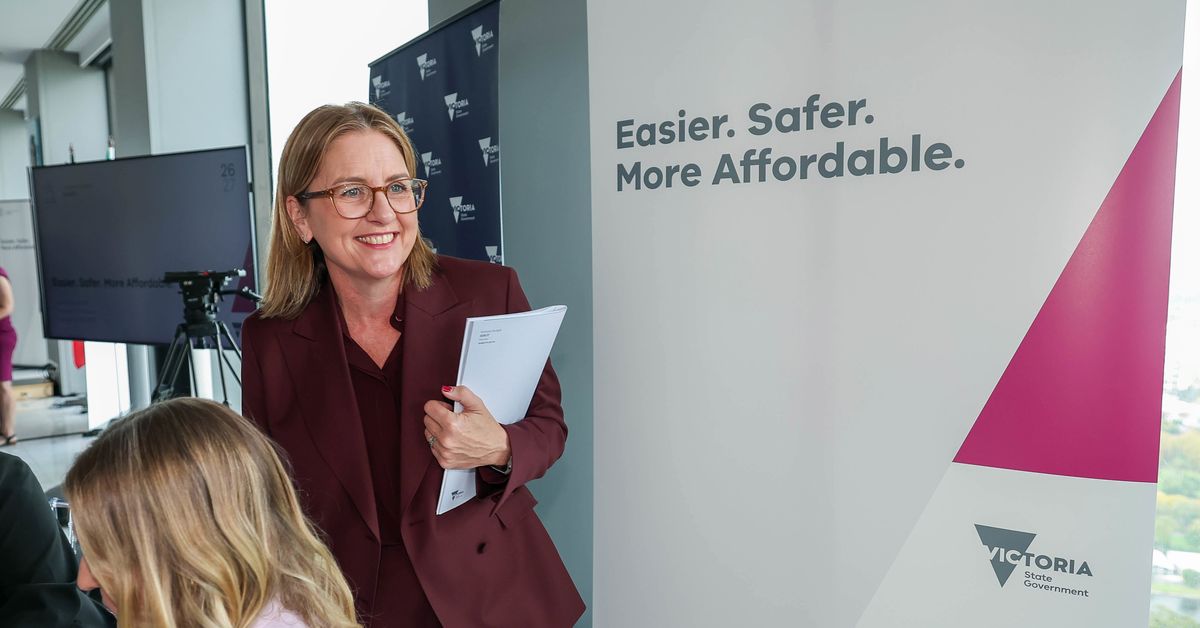
The most important number in Victoria’s state budget is not found in its pages: it is the 206 days until the November 28 election, when the Labor Government will seek an unprecedented fourth term. Treasurer Jaclyn Symes has framed the budget as prudent and careful, focused on cost-of-living relief and finishing existing infrastructure projects rather than launching new ones. This is not a cash splash, but a business-as-usual budget designed to shore up support without alarming voters or credit rating agencies. Yet looming over the document are immense pressures: rising debt, an eye-watering interest bill, and assumptions about inflation declining that some analysts consider heroic. The government must also spend more on crime prevention, education, and health services for a growing and wary population. The budget’s true test will come at the ballot box.
The $1.1 Billion Lottery Lifeline
Victoria’s budget was saved from a deficit by a $1.1 billion lottery licensing deal with The Lottery Corporation, a one-off revenue injection that allowed Symes to claim the state’s first post-pandemic surplus. Without that windfall, the budget would have remained in the red, underscoring the fragility of the fiscal recovery. The deal has drawn criticism from opposition parties, who argue it masks underlying structural weaknesses. Budget papers reveal that when project spending is factored in, Victoria’s total spending is about $7 billion more than previously estimated. This discrepancy has fueled accusations that the government is using accounting maneuvers to present a rosier picture ahead of the election.
Winners and Losers: Health, Transport, and Neurodiversity Support
The budget delivers significant spending increases in health, transport, and neurodiversity support. New funding for hospital upgrades, mental health services, and autism support programs has been welcomed by advocacy groups. Commuters will benefit from cheaper public transport fares and cashback on car registration, while school children gain access to optometry services through mobile vans that complement existing dental services. However, regional Victoria faces cuts to pothole patching as the government reins in the Big Build infrastructure program. The property industry has slammed the budget as a missed opportunity, arguing that it fails to stimulate housing construction or address supply constraints. The opposition has labeled the cuts a betrayal of regional communities, while the government insists they are necessary to manage debt.
Debt Nears $200 Billion as Interest Payments Mount
Victoria’s net debt is projected to approach $200 billion by 2028, a staggering figure that will consume an increasing share of the budget in interest payments. The government’s own fiscal strategy relies on optimistic assumptions about economic growth and inflation moderation, which if unmet could push debt even higher. Credit rating agencies have placed Victoria on negative watch, warning that further downgrades could raise borrowing costs. The $5 billion war chest set aside for future decisions will be partly used to settle a pay deal with teachers, averting strikes in the lead-up to the election. the fund could quickly be depleted by other pre-election commitments, leaving little room for unexpected shocks.
Election-Eye Spending and the Battle for Trust
With 206 days until the election, the budget is as much a political document as a fiscal one. Labor is betting that targeted spending on cost-of-living relief and essential services will resonate with voters weary from inflation and global uncertainty. The government has avoided new taxes and new major projects, instead emphasizing completion of existing commitments like the Metro Tunnel and level crossing removals. Yet the opposition has seized on the rising debt and the lottery deal as evidence of fiscal mismanagement. The question of whether the budget is truly prudent or merely a pre-election sweetener will dominate the campaign. Voters will decide if they trust Labor to manage the state’s finances for another four years.
The Outlook: Surplus Today, Uncertainty Tomorrow
Victoria’s first post-pandemic surplus is a milestone, but it masks deep uncertainties. The lottery windfall is non-recurring, and the government’s spending commitments are growing faster than revenue. The budget assumes inflation will fall sharply, but global pressures from the conflict in the Middle East and supply chain disruptions could keep prices elevated. If the assumptions prove wrong, the state could face a return to deficit and further credit downgrades. For now, Treasurer Symes has bought time, but the clock is ticking toward November 28. The budget’s legacy will be determined not by its numbers, but by the election result.
The bottom line
- Victoria’s budget relies on a $1.1 billion lottery deal to achieve a surplus, with debt heading toward $200 billion.
- The government has set aside a $5 billion war chest for pre-election spending, including teacher pay deals.
- Regional Victoria faces cuts to pothole patching as the Big Build program is scaled back.
- Health, transport, and neurodiversity support receive new funding, while the property industry criticizes the budget as a missed opportunity.
- The budget’s fiscal assumptions are optimistic, and any shortfall could lead to a return to deficit and credit downgrades.
- The election in 206 days will be the ultimate test of the budget’s political and economic viability.
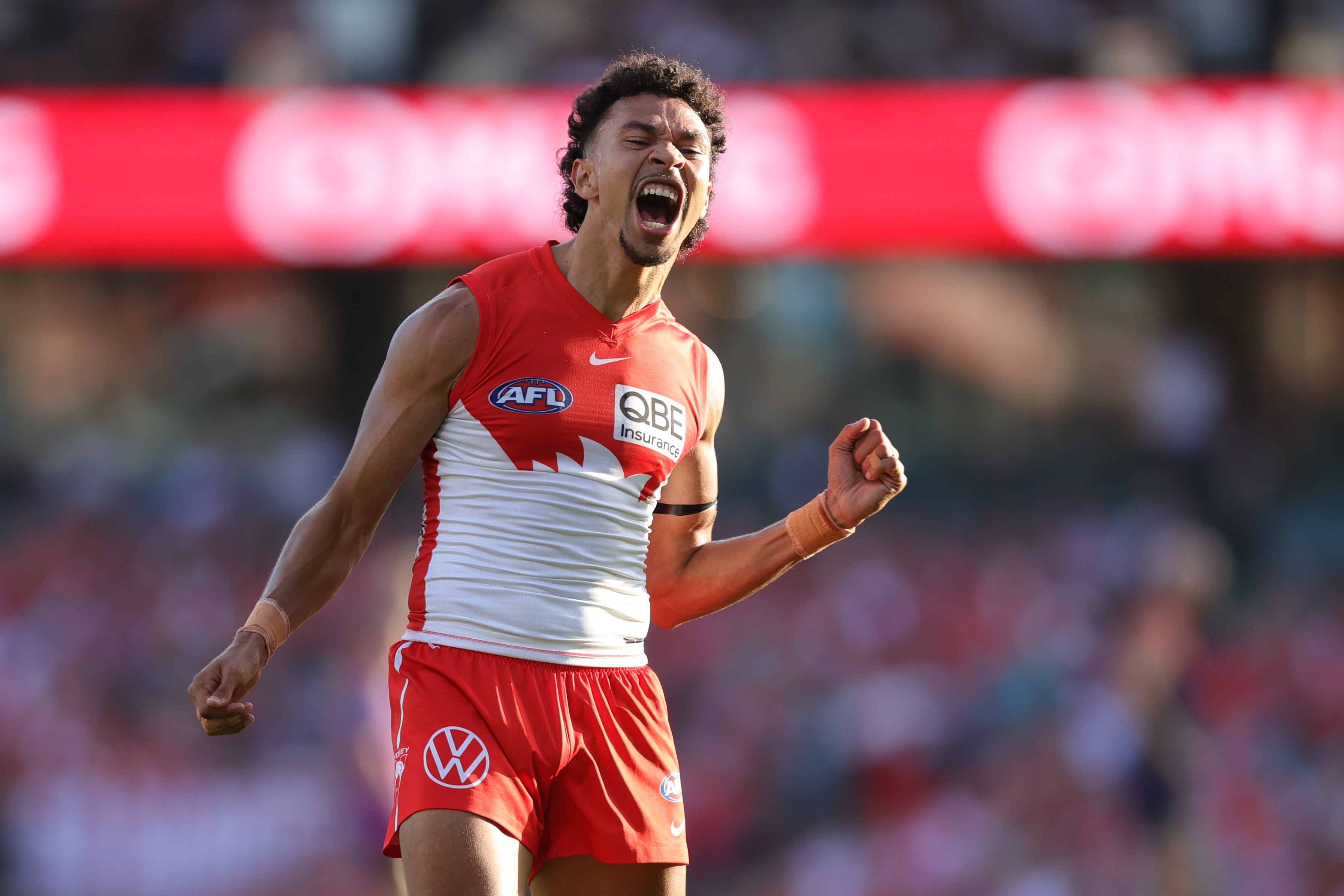
Sydney Swans Snap Melbourne's Unblemished Sunday Record with 17-Point Victory at SCG
Albanese Government to Revive Tax Trio on Trusts, Capital Gains and Negative Gearing in Budget
Malcom Rosas’s seven-goal haul propels Sydney Swans to 17-point win over Melbourne
