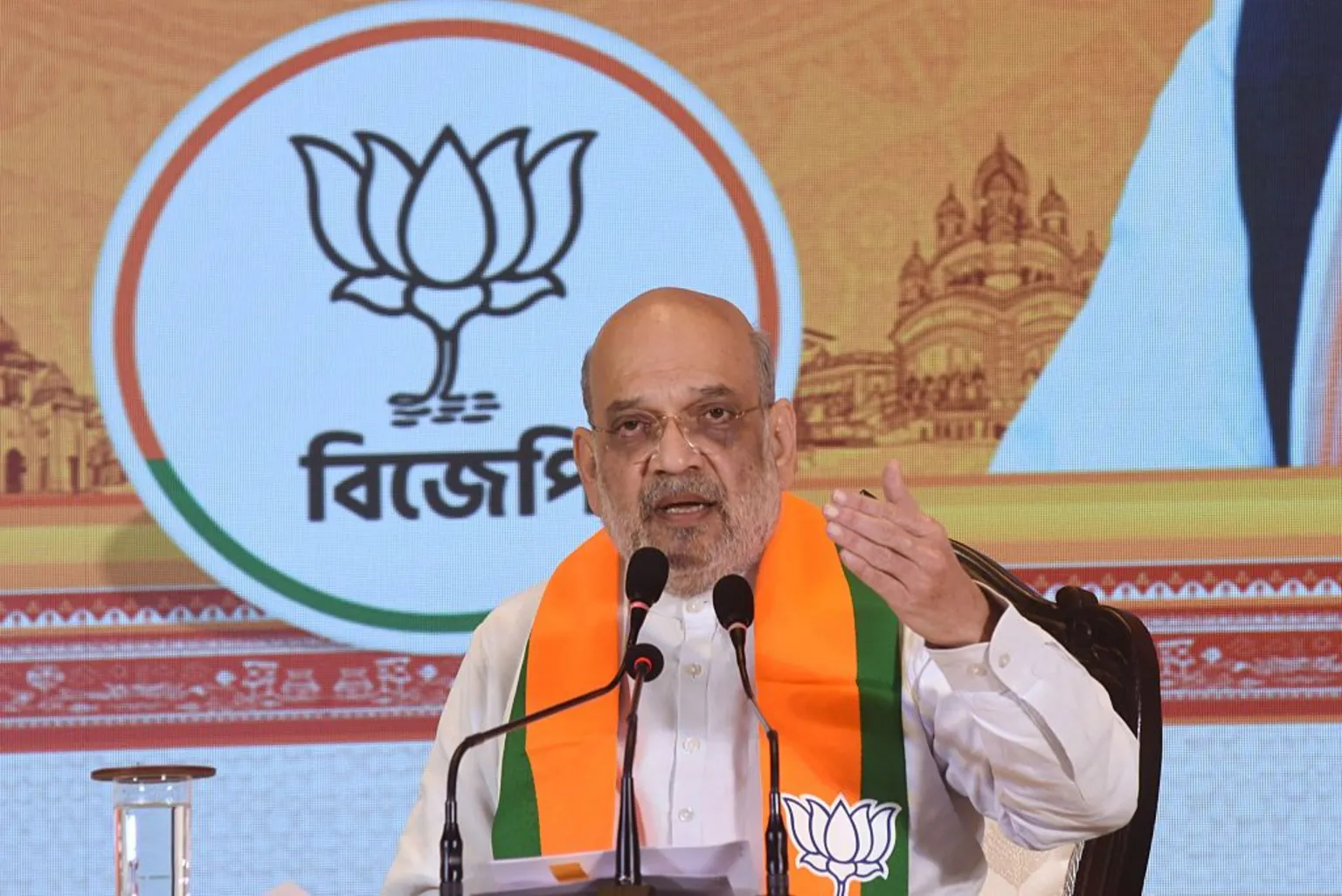
BJP Breaks Bengal's Resistance: Modi's Party Wins Decisive Mandate in Pivotal State Election
The victory in India's third-most-populous state completes the BJP's long march into eastern India, reshaping the national political landscape.

BANGLADESH —
Key facts
- BJP won a majority in West Bengal's 294-seat assembly, ending Trinamool Congress's 15-year rule.
- BJP secured over 44% of the popular vote, up from 39% in previous elections.
- Trinamool Congress retained influence in select rural and minority-heavy constituencies.
- BJP dominated north Bengal, central districts, and parts of south Bengal, winning seats like Coochbehar, Jalpaiguri, and Nandigram.
- Shubhendu Adhikari won Nandigram by more than 9,000 votes.
- West Bengal's electorate of over 100 million is larger than Germany's.
- The last change of government in Bengal was in 2011 when TMC defeated the 34-year-old Left Front government.
A Historic Breakthrough in a Stubborn State
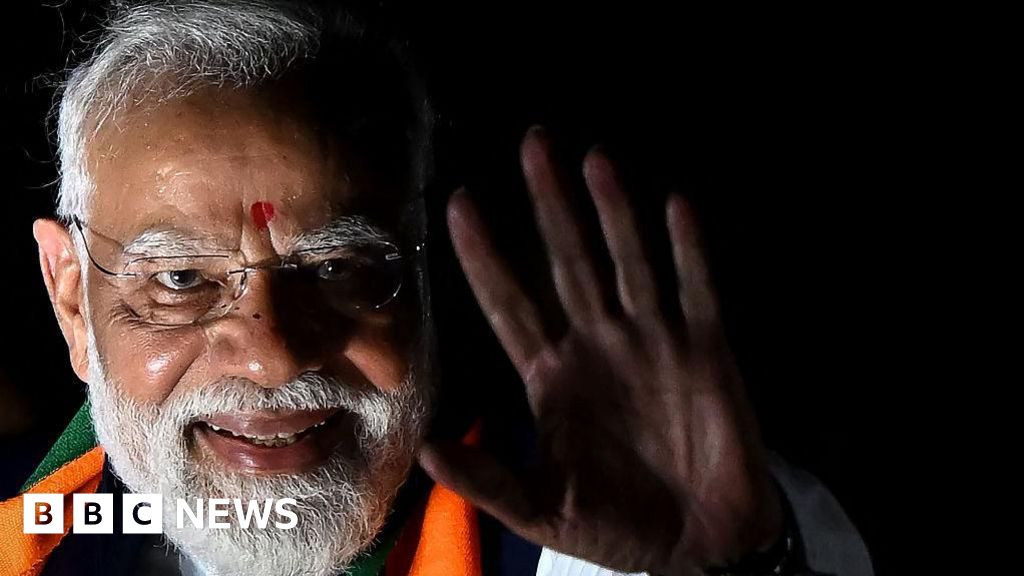
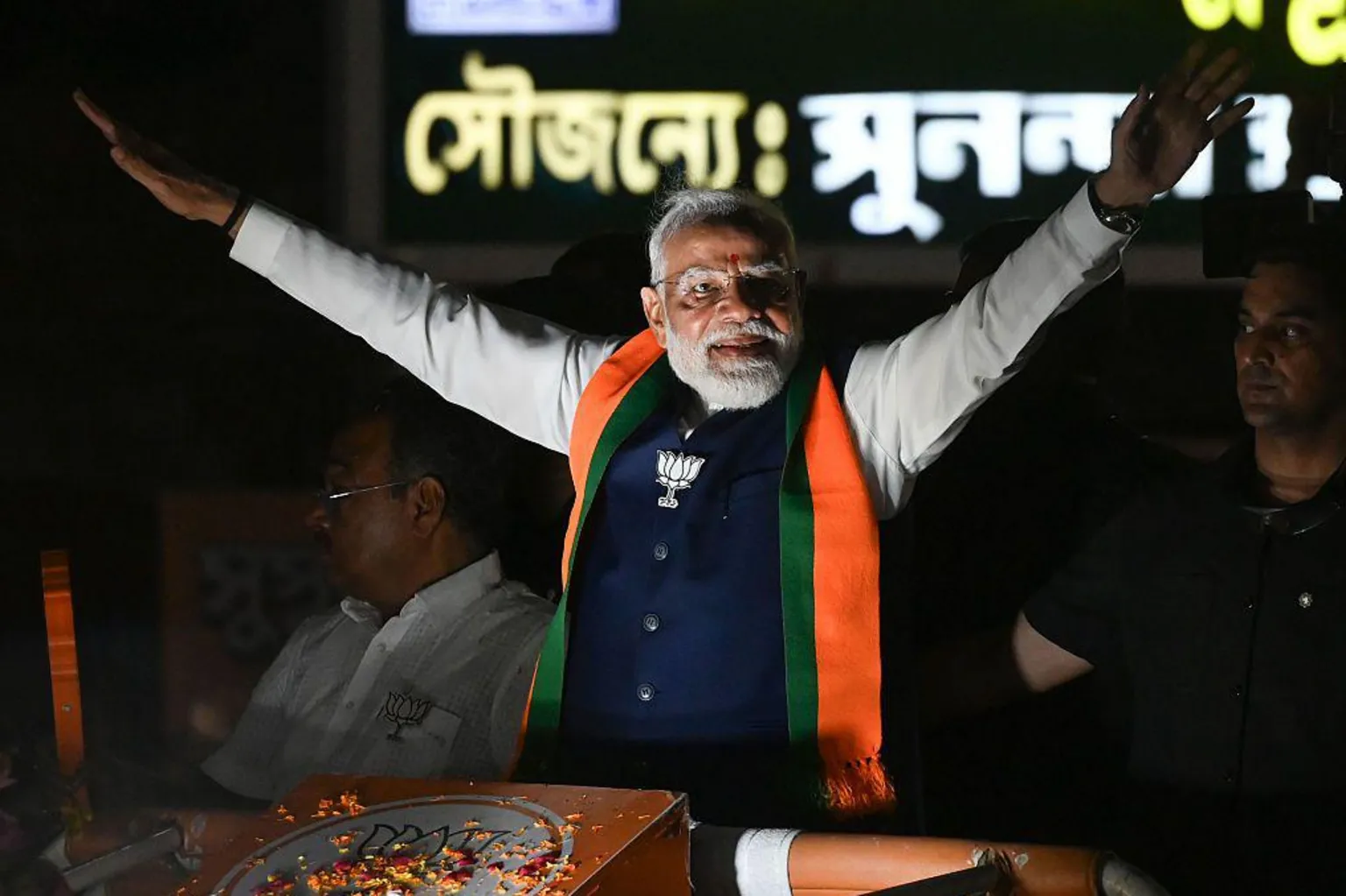
For years, West Bengal stood as the great exception to Narendra Modi's political advance. His Bharatiya Janata Party had swept through India's Hindi-speaking heartland, expanded into the west and north-east, and overwhelmed once-formidable regional rivals. Yet Bengal — argumentative and steeped in a self-image of cultural exceptionalism — remained stubbornly resistant. Monday's election results shattered that resistance. The BJP won a decisive majority in the 294-seat assembly, defeating the Trinamool Congress (TMC) after 15 years of dominance under firebrand populist Mamata Banerjee. The victory ranks among the most significant breakthroughs of Modi's 12-year reign, completing the party's long march into eastern India. "Winning Bengal is a big victory for the BJP — a land of promise that has long eluded its grasp," said author and journalist Nilanjan Mukhopadhyay.
The Numbers Behind the Mandate
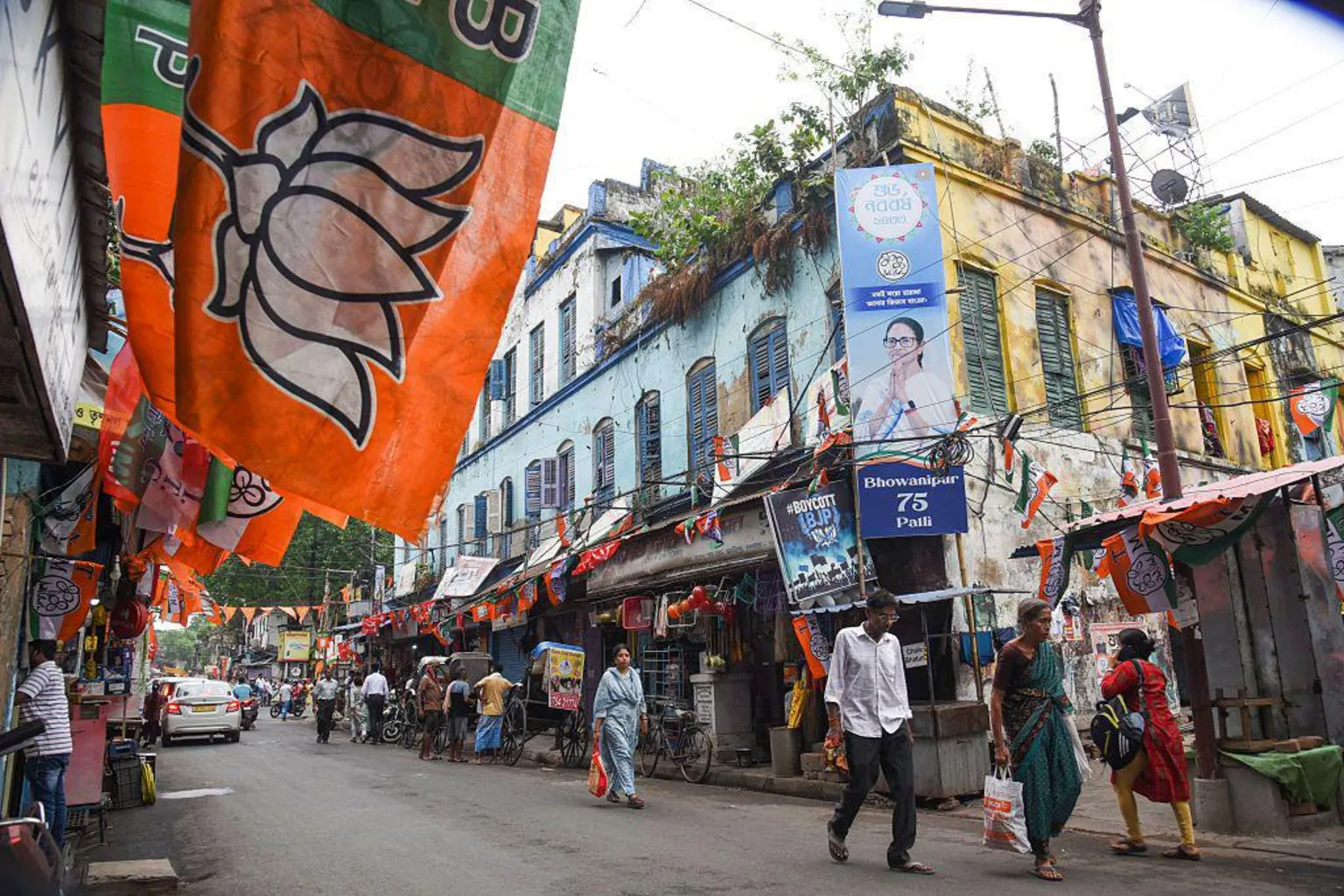
The BJP's victory was built on a steady accumulation of support over three successive elections. a fellow at the Centre for Policy Research, "The BJP has been a major force in Bengal for three successive elections, consistently polling around 39% of the popular vote." Once it established itself near the 39-40% mark, he argued, "the party really needed only another 5-6% to cross the line." Voting trends show the BJP mopping up more than 44% of the vote this time, a surge that translated into a majority of seats. The outcome reflects a sharply polarised electoral map, with the BJP making deep inroads across north Bengal, central districts, and parts of south Bengal, while the TMC held ground in several minority-dominated and rural constituencies.
A Divided Electoral Map: Winners Across the State
The detailed winners' list reveals a clear regional divide. In north Bengal, the BJP swept seats including Mekliganj (Dadhiran Ray), Mathabhanga (Nishith Pramanik), Coochbehar Uttar (Sukumar Ray), Coochbehar Dakshin (Rathindra Bose), Sitalkuchi (Sabitri Barman), Natabari (Girija Shankar Ray), Tufanganj (Malati Rava Roy), Kumargram (Manoj Kumar Oraon), Madarihat (Laxuman Limbu), Maynaguri (Dalim Chandra Roy), and Jalpaiguri (Ananta Deb Adhikary). In contrast, the TMC managed to retain seats like Sitai, where Sangita Roy won. The party also held ground in parts of south Bengal, including the high-profile constituency of Bhabanipur, where Mamata Banerjee was trailing as counting progressed. In Nandigram, a symbolic battleground, Shubhendu Adhikari of the BJP won by more than 9,000 votes, a victory that underscored the BJP's dominance in the region.
Beyond Bengal: A Day of Political Churn Across India
Monday produced an extraordinary political churn across India's south as well. In Tamil Nadu, MK Stalin's DMK government was swept aside by actor-turned-politician Vijay and his fledgling TVK party, marking the dramatic return of film-star politics to the state. In Kerala, the Congress-led United Democratic Front (UDF) defeated the Left Democratic Front (LDF) after two consecutive terms, ending the last remaining Communist-led state government in India. Only in Assam did the BJP buck the broader anti-incumbent tide and retain power, while the party and its allies also held on to the federal territory of Puducherry. Yet nowhere were the results more politically significant than in Bengal, where the BJP's victory could reshape not just the state's politics, but the future trajectory of Modi's party.
The End of a Hegemonic Era
West Bengal has seen only one change of government in nearly half a century: the Communist Left Front ruled for 34 years before the TMC, led by Mamata Banerjee, dominated the next 15 years until now. Political scientists have long described Bengal as a system that favours "hegemonic" parties. Analysts see the outcome not as a sudden upheaval but as the culmination of a decade-long political project. Unlike the BJP's rapid rise in Tripura or its earlier breakthrough in Assam, Bengal was never a lightning conquest. The party's consistent polling around 39% over three elections built a foundation that finally tipped over the threshold.
What Comes Next for Bengal and India
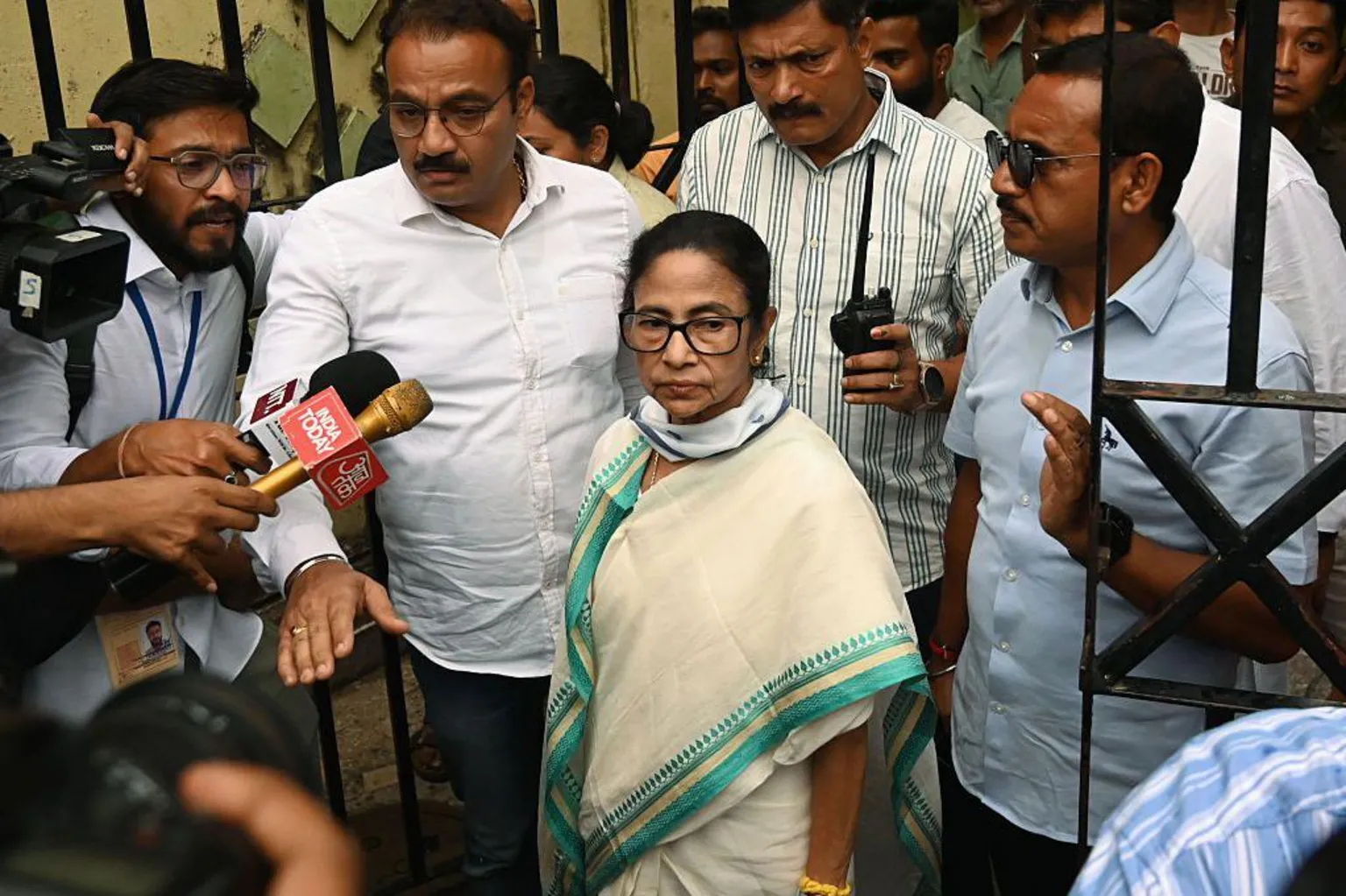
The BJP's victory in Bengal opens a new chapter in Indian politics. With more than 100 million people, West Bengal's electorate is larger than Germany's, turning its election into something closer to a nation choosing a government than a routine Indian state poll. The state's immense demographic and economic weight means the BJP's control will have national repercussions. For the TMC, the defeat raises questions about its future. Mamata Banerjee, who had been a formidable opponent of Modi, now faces a diminished role. The BJP, meanwhile, must now deliver on its promises of development and governance in a state known for its political volatility. The coming months will test whether the party can consolidate its gains and govern effectively.
The bottom line
- BJP's victory in West Bengal completes its expansion into eastern India, a region that had long resisted Modi's party.
- The BJP's vote share rose from 39% to over 44%, crossing the threshold needed to win a majority.
- The electoral map shows a sharp regional divide: BJP dominated north and central Bengal, while TMC held rural and minority areas.
- The defeat of Mamata Banerjee's TMC ends 15 years of rule and marks the second change of government in Bengal in nearly 50 years.
- The results in Bengal were part of a broader anti-incumbent wave across India, with the BJP bucking the trend only in Assam and Puducherry.
- Analysts view the BJP's win as the culmination of a decade-long political project, not a sudden shift.


Al Qadsiah Stuns Al Nassr 3-1, Ending 16-Match Winning Streak in Saudi Pro League

Cristiano Ronaldo's Late Header Propels Al Nassr Eight Points Clear in Saudi Pro League Title Race

BJP Surges Past 200 Seats in West Bengal, Ending Trinamool's 15-Year Rule
/https%3A%2F%2Fsportsmole-media-prod.s3.gra.io.cloud.ovh.net%2F24%2F36%2Fmichael-oneill.jpg)