British Columbia's May electricity demand hits record 7,600 megawatts as heat wave breaks century-old temperature marks
Nearly 70% of households now use air conditioning, driving a surge that the utility says its clean grid handled without strain.
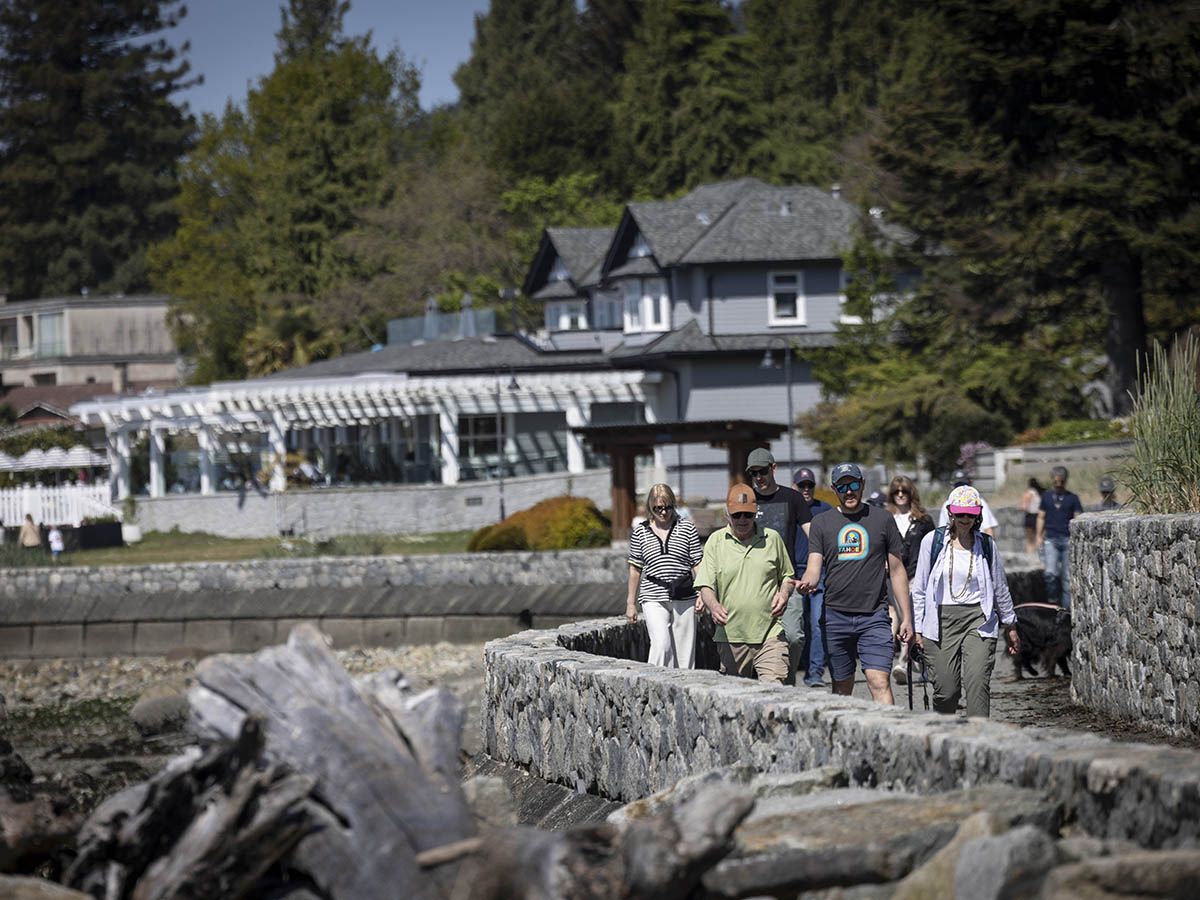
CANADA —
Key facts
- Peak hourly demand reached 7,600 megawatts on Monday, the highest ever recorded in May.
- Vancouver hit 23.9°C on May 4, breaking the 1898 record of 22.2°C.
- 19 communities set new daily highs on May 4, including Pemberton at 31.5°C.
- Lytton, B.C., was Canada's hot spot at 31.9°C.
- Nearly 70% of B.C. households now have some form of air conditioning.
- B.C. Hydro offers rebates until Aug. 21 on Energy Star air conditioners and purifiers.
- Temperature records also fell in Bella Coola, Campbell River, Duncan, Kitimat, Lillooet, Nanaimo, Port Alberni, Squamish, Richmond, West Vancouver, and Pitt Meadows.
Early heat wave pushes power demand to unprecedented May peak
An unseasonably early heat wave across British Columbia drove electricity demand to 7,600 megawatts on Monday, the highest level ever recorded in the month of May, fueled by widespread use of fans and air conditioners, coincided with temperature records tumbling across the province, including in Vancouver where a mark set more than a century ago was shattered. The peak hourly demand occurred on Monday, and with temperatures expected to moderate by Wednesday, that level is likely to remain the May record. B.C. Hydro stated that its clean-electricity grid was fully capable of meeting the spike, though the demand remains far below the peaks seen during the coldest winter months.
Century-old temperature records fall across the province
Vancouver's high on Monday reached 23.9 degrees Celsius, easily surpassing the previous record of 22.2 degrees set in 1898. Across the province, 19 communities set new daily highs for May 4, with Pemberton reaching 31.5 degrees. Lytton, B.C., recorded the highest temperature in the country at 31.9 degrees. Other communities that set new daily records include Bella Coola, Campbell River, Duncan, Kitimat, Lillooet, Nanaimo, Port Alberni, and Squamish, as well as the Metro Vancouver suburbs of Richmond, West Vancouver, and Pitt Meadows. Meteorologists attributed the heat to a ridge of high pressure that is expected to slowly weaken over the next few days before temperatures rise again this weekend.
Air conditioning adoption surges as summers grow hotter
B.C. Hydro noted that the record demand was likely driven in part by the proliferation of air conditioning units across the province. Nearly 70 percent of households now have some form of air conditioning, reflecting a sharp increase in recent years as summers become hotter. At the same time, more people are using air purifiers and other devices to improve indoor air quality during wildfire smoke and pollution events. The utility announced limited-time rebates on energy-efficient cooling and air-quality systems to help customers manage rising temperatures. Until August 21, customers can receive an instant $50 discount on select Energy Star window air conditioners and high-efficiency portable units, $30 off select Energy Star air purifiers, and $10 off select WaterSense-certified shower heads.
Rebates available at major retailers for energy-efficient devices
In-store rebates are available for air conditioners purchased at Best Buy, Costco, London Drugs, RONA, The Home Depot, and Visions Electronics. Online orders from Best Buy and Visions are also eligible. For a comprehensive list of energy-saving appliances, including air conditioners, air purifiers, and programmable thermostats, customers can visit shop.bchydro.com, which rounds up the best deals and efficiencies among major retailers. Additional information on rebates and energy-saving tips is available at bchydro.com/deals. The utility emphasized that the rebates are part of a broader effort to help residents adapt to increasingly hot summers while managing electricity demand.
Grid resilience and the challenge of rising summer demand
Despite the record May demand, B.C. Hydro said its clean-electricity grid was up to the task, and the peak pales in comparison with demand during the coldest months of winter. However, the early heat wave serves as a reminder that summers are only getting hotter, and the utility is preparing for continued growth in summer electricity consumption. The record also highlights the changing patterns of energy use in the province, as air conditioning becomes a necessity rather than a luxury. With wildfire smoke events adding to the need for air purifiers, B.C. Hydro faces the dual challenge of meeting peak summer demand while promoting energy efficiency and grid reliability.
Outlook: more heat expected as ridge of high pressure returns
Meteorologists forecast that the ridge of high pressure responsible for the current heat wave will slowly cool over the next few days but is expected to strengthen again this weekend, potentially bringing another round of warm temperatures. This pattern raises the possibility of additional record-breaking demand in the coming weeks. B.C. Hydro continues to monitor the situation and encourages customers to take advantage of the rebate program to upgrade to more efficient cooling equipment. The utility has not indicated any need for conservation measures at this time, but the early season heat wave underscores the importance of preparing for a future with more intense and frequent heat events.
The bottom line
- B.C. Hydro recorded a May peak demand of 7,600 megawatts on May 4, driven by air conditioning use during an early heat wave.
- Vancouver's high of 23.9°C broke a 127-year-old temperature record, and 19 other communities set new daily highs.
- Nearly 70% of B.C. households now have air conditioning, a sharp increase linked to hotter summers and wildfire smoke.
- The utility is offering rebates on energy-efficient air conditioners and purifiers through Aug. 21 at major retailers.
- The clean-electricity grid handled the demand spike without strain, but the pattern of rising summer peaks is expected to continue.
- A ridge of high pressure is forecast to return this weekend, potentially bringing more heat and higher electricity demand.




Mavericks Hire Masai Ujiri as President, Charging Him to Rebuild After Dončić Trade Fallout
Mark Carney Appoints Louise Arbour as Canada's Next Governor General
Massive Cold Front to Sweep 25+ States with Snow, Severe Storms, and Flooding
