Ontario Women Guilty of Murder in Boy's 'Horrific' Death; Judge Cites Hateful Texts
Justice Clayton Conlan found Becky Hamber and Brandy Cooney intended to kill the 12-year-old Indigenous boy they were trying to adopt, calling their failure to seek care 'disgraceful.'
CANADA —
Key facts
- Becky Hamber, 46, and Brandy Cooney, 44, found guilty of first-degree murder in the death of a 12-year-old boy on Dec. 21, 2022.
- The couple was also convicted of forcible confinement, assault with a weapon (zip ties), and failing to provide necessaries for the boy's 14-year-old brother.
- Justice Clayton Conlan ruled the women acted with intent to kill, citing their persistence in depriving the boy of food and medical care.
- The trial heard text messages in which the women spoke of the boy with 'loathing, hate, and resentment.'
- The boys, from the Ottawa area, had been in the care of the Children's Aid Society of Ottawa and lived with Hamber and Cooney for years.
- The surviving brother testified during the trial, which began in mid-September 2025 and concluded with closing arguments in late March 2026.
- First-degree murder carries an automatic life sentence with no parole eligibility for 25 years.
A Pattern of Deprivation and Abuse
On Dec. 21, 2022, a 12-year-old Indigenous boy died in the basement of a Burlington, Ontario bungalow, his body wasted from severe malnutrition. The two women charged with his murder, Becky Hamber, 46, and Brandy Cooney, 44, had been caring for him and his younger brother for years, hoping to adopt them. On Tuesday, Superior Court Justice Clayton Conlan found both guilty of first-degree murder, rejecting their plea of not guilty. The judge also convicted the couple of forcible confinement, assault with a weapon, and failing to provide the necessaries of life for the younger brother, now 14. The weapon was zip ties fastened to the boy's shoes, which left deep welts across his feet. The brothers cannot be identified under a publication ban protecting the surviving sibling.
The Final Day: A Text Message That Sealed Their Fate
The trial heard extensively about Nov. 20, 2022, when Hamber and Cooney exchanged text messages about the boy being unresponsive and appearing drunk. Cooney wrote that she feared he might die and that she might go to jail. In his decision, Conlan wrote, 'I cannot be persuaded that an innocent mother would ever text that to her spouse in those circumstances.' Despite the boy's deteriorating condition, the women did not seek urgent medical care. Conlan called this failure 'disgraceful,' adding, 'In my mind, that the accused failed to do so speaks volumes about the key issue in this entire case — their intentions.' The boy died a month later.
Hateful Words, Deadly Intent
Prosecutors alleged the couple 'despised, deprived and abused' the Indigenous boy. The defence argued the women never intended to kill him and had sought medical treatment as his health declined. Conlan rejected this, pointing to a series of text messages in which Hamber and Cooney spoke of the boy in hateful, dehumanizing terms. The defence conceded the texts were terrible but argued they did not show intent to harm. 'Other than saying, “we, the accused, intend to kill our son,” they communicate everything else that one would expect someone with such an intention to say,' Conlan wrote. 'The loathe. The hate. The resentment.' He found that the couple's persistence in depriving the boy of food and medical attention demonstrated an intention to kill.
Systemic Failures and a 'Wholesale' CAS Crisis
The two brothers, from the Ottawa area, had long been in the care of the Children's Aid Society of Ottawa. At the time of the older boy's death, both were living with Hamber and Cooney. Experts have called the case 'horrific' and pointed to a systemic crisis within Ontario's children's aid societies. Monte MacGregor, Hamber's lawyer, told reporters outside the courtroom that beyond his client's guilt, 'there was a wholesale systemic failure by the Children's Aid Society, by the doctors that were involved and by the people who showed up when it was too late.' He said he would review the decision for possible grounds of appeal.
A Lengthy Trial and a Judge's Grim Conclusion
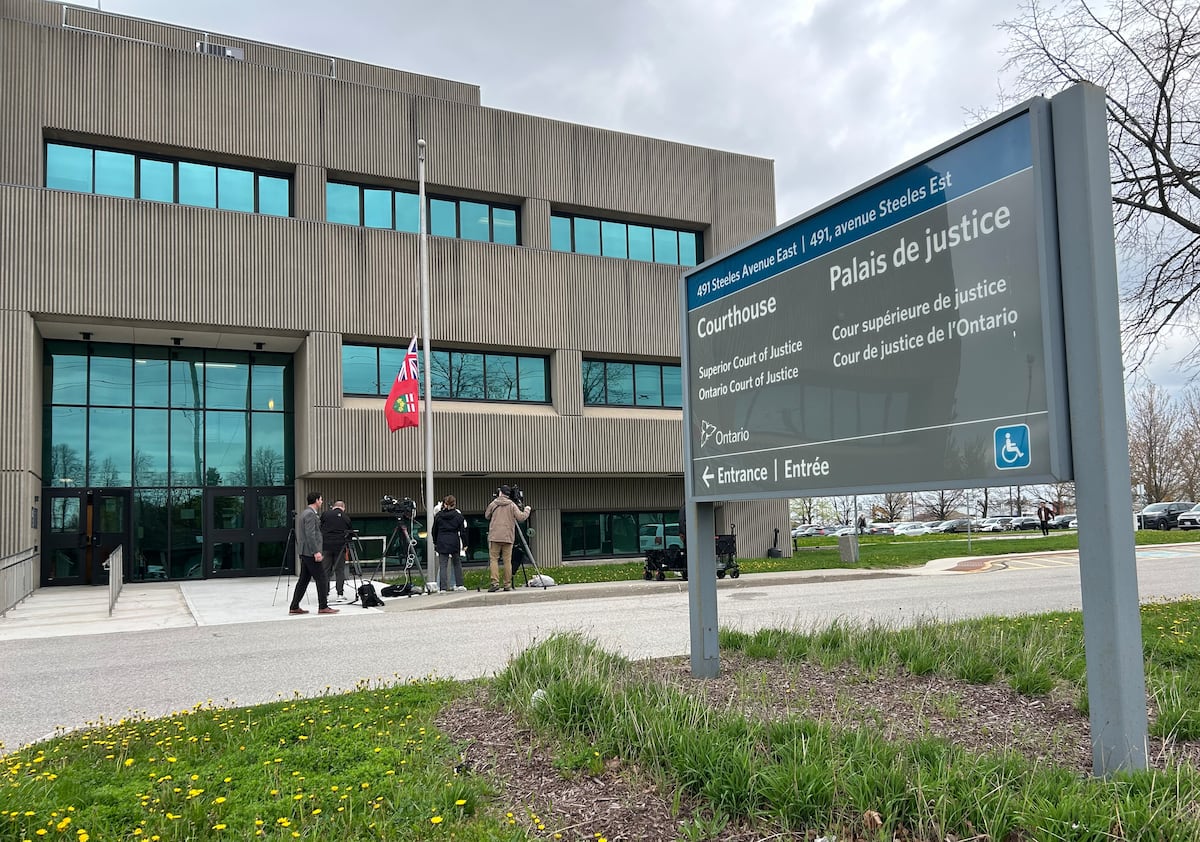
The trial began in mid-September 2025 and heard from dozens of witnesses, including social service workers, health professionals, educators, and police. Both accused and the younger brother testified. Conlan, who presided over the judge-alone trial, called the proceedings in Milton court 'lengthy and difficult.' Closing arguments were delivered in late March 2026. In his lengthy written reasons, Conlan found that 'when the proverbial push came to shove,' Hamber and Cooney abandoned the boy. The conviction for first-degree murder carries an automatic maximum sentence of life in prison with no chance of parole for 25 years.
What Comes Next: Sentencing and Appeals
Sentencing will follow automatically under the law, with life imprisonment and a 25-year parole ineligibility period. MacGregor indicated he would explore appeal options after reviewing the decision. The case has drawn widespread attention, highlighting the vulnerabilities of children in the foster care system and the responsibilities of those who seek to adopt. The surviving brother, now 14, testified during the trial. His identity remains protected, and his future care will likely be addressed by child welfare authorities. The case continues to reverberate across Ontario, prompting renewed calls for reform of the children's aid system.
The bottom line
- Becky Hamber and Brandy Cooney were convicted of first-degree murder for the death of a 12-year-old Indigenous boy they were trying to adopt.
- The judge cited hateful text messages and a failure to seek medical care as evidence of intent to kill.
- The couple was also found guilty of torturing the boy's younger brother with zip ties and confining him.
- The case exposes systemic failures in Ontario's child welfare system, according to experts and the defence lawyer.
- Both women face automatic life sentences with no parole for 25 years; an appeal is possible.
- The surviving brother testified and remains under a publication ban protecting his identity.




WHO Suspects Rare Human-to-Human Hantavirus Transmission on Cruise Ship Off Cape Verde

IREN Acquires Mirantis for $625M, Shares Jump 8.37% as AI Infrastructure Pivot Accelerates

‘Tony’ Trailer Shows Anthony Bourdain’s Raw Youth Before Celebrity