WHO Suspects Rare Human-to-Human Hantavirus Transmission on Cruise Ship Off Cape Verde
Three deaths and seven cases, including a critically ill passenger airlifted to Johannesburg, raise alarm as the MV Hondius remains stranded at sea.

CANADA —
Key facts
- Three people have died and seven cases (two confirmed, five suspected) of hantavirus have been identified on the MV Hondius.
- The WHO suspects human-to-human transmission among close contacts, a rare event for hantavirus.
- The first victim, a 70-year-old Dutch man, developed symptoms on April 6 and died on April 11; no microbiological test was performed.
- A critically ill passenger is in intensive care in Johannesburg, South Africa.
- The MV Hondius, with 147 people aboard, is anchored off Cape Verde after being refused entry at Praia.
- Spain will not allow the ship to dock until epidemiological data are analyzed.
- Hantavirus causes hantavirus pulmonary syndrome with a 30% mortality rate; no specific treatment or antiviral exists.
- Two hantavirus outbreaks occurred in Quebec in 2004 and 2016, the latter involving three Canadian soldiers.
A Deadly Outbreak at Sea
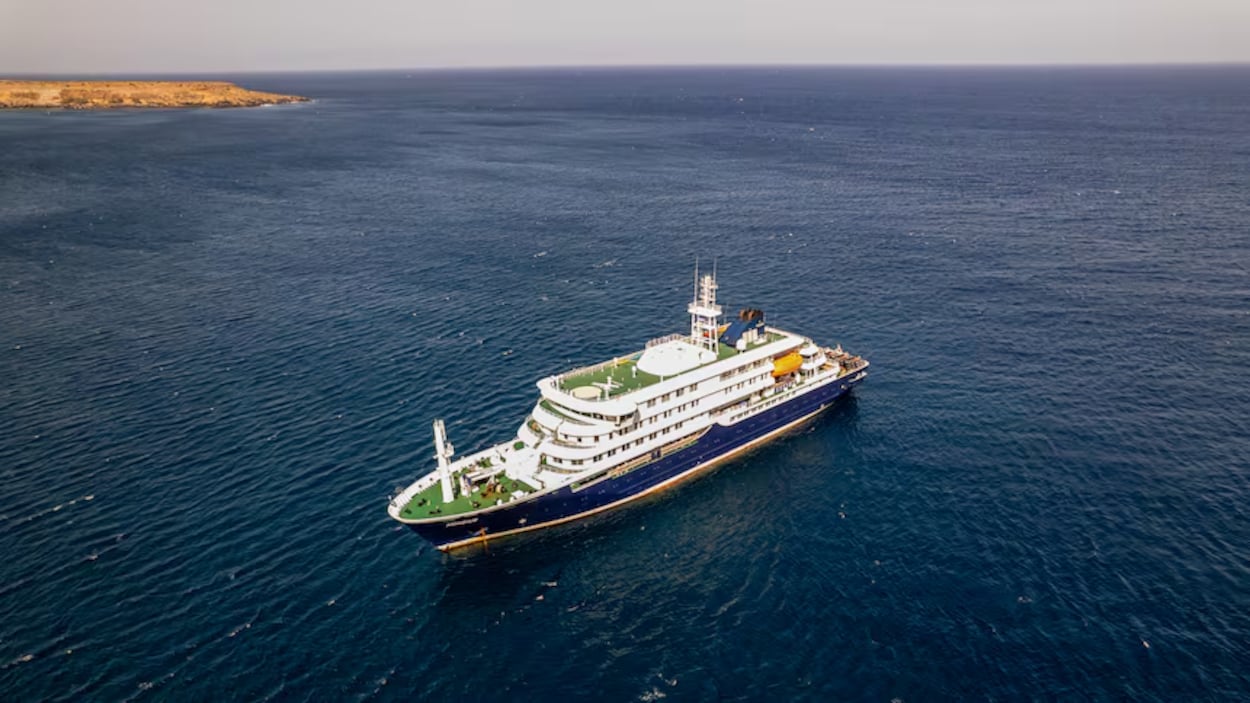
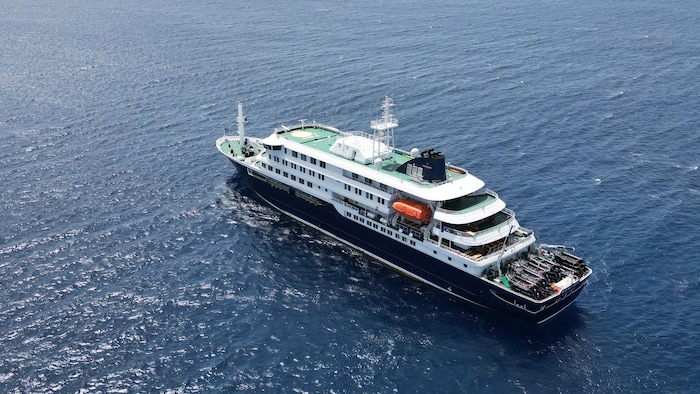
Three people are dead and seven others have been infected—two confirmed and five suspected—with hantavirus aboard the Dutch cruise ship MV Hondius, now stranded off the coast of Cape Verde in the Atlantic. The World Health Organization (WHO) confirmed on Tuesday that it suspects human-to-human transmission among those in very close contact, a phenomenon considered extremely rare for this rodent-borne virus. The ship, operated by Oceanwide Expeditions, was sailing from Ushuaia, Argentina, to the Cape Verde archipelago when the outbreak began. The first case, a 70-year-old Dutch man, developed fever, headache, and mild diarrhea on April 6; his condition worsened rapidly, and he died on April 11 without having undergone any microbiological testing. Since then, two more passengers have died, and a critically ill patient was airlifted to a hospital in Johannesburg, South Africa, where he remains in intensive care.
WHO Raises Alarm Over Possible Person-to-Person Spread
Maria Van Kerkhove, acting director of the WHO's Department of Epidemic and Pandemic Preparedness and Prevention, told journalists that given the incubation period of hantavirus—which can range from one to six weeks—it is likely that those infected were exposed before boarding. However, the clustering of cases among people in very close quarters suggests that human-to-human transmission may have occurred, a possibility that, if confirmed, would mark a significant departure from the virus's known epidemiology. Dr. Donald Vinh, a microbiologist and infectious disease specialist at the McGill University Health Centre in Montreal, noted that hantaviruses are typically transmitted when humans inhale dust or aerosols from the urine, saliva, or feces of infected wild rodents. Human-to-human transmission has been suspected only in rare instances involving the Andes virus in South America, but no conclusive evidence exists. "If you look at all the studies, it's not conclusive," Vinh said. "We thought there was person-to-person transmission, but it turned out to be outbreaks from a common animal source." He added that the limited number of severe cases—six out of more than 150 people aboard—argues against widespread human-to-human spread.
Stranded at Sea: No Port Will Take the Ship
The MV Hondius, now with 147 people on board, has been anchored off Cape Verde after being refused entry at the capital, Praia. The cruise operator, Oceanwide Expeditions, has suggested diverting to Spain's Canary Islands, but the Spanish Ministry of Health pushed back on Tuesday, stating that no decision on docking will be made until epidemiological data from the ship have been analyzed. "Depending on the epidemiological data collected on the ship during its passage through Cape Verde, it will be decided which stop is most appropriate," the ministry said on X. "Until then, the Ministry of Health will not adopt any decision, as we have communicated to the WHO." The WHO was notified on Saturday that passengers with severe respiratory illness were aboard. As of May 4, the agency has identified seven cases: two laboratory-confirmed and five suspected, including the three deaths, one critically ill patient in Johannesburg, and three individuals still on the ship.
The Virus: Silent Rodent Carriers and a 30% Fatality Rate
Hantaviruses are found worldwide, including in Canada.s—rats and mice—which shed the virus in their urine, saliva, and droppings without becoming ill. Humans become infected primarily by inhaling contaminated dust or aerosols; less commonly, through a bite or direct contact with rodent excreta. Once infected, the virus can cause hantavirus pulmonary syndrome (HPS), in which fluid and blood accumulate in the lungs, leading to rapid respiratory failure and death. The mortality rate for HPS is approximately 30%. In Europe and Asia, a different hantavirus lineage causes hemorrhagic fever with renal syndrome, similar to Ebola. There is no specific antiviral treatment or vaccine; patients rely on intensive care and mechanical ventilation. Dr. Vinh emphasized that early intervention during the flu-like initial phase can save lives, as he witnessed during a 2016 outbreak in Quebec involving three Canadian soldiers who had trained in Alberta. "These three people became severely ill very quickly after returning to Quebec," he said. "Because they came to our hospital during the flu phase, we were able to save them with intensive care. Two had to be intubated. They were very robust men in their 20s and 30s. I wouldn't say an 80-year-old would fare as well."
Canada's Connection: Four Canadians Aboard and Past Outbreaks
Four Canadians are among the passengers on the MV Hondius, though their health status has not been disclosed. Canada has seen two hantavirus outbreaks in the past two decades: one in 2004 and another in 2016. The latter, detected by Dr. Vinh, involved three Canadian Forces members who acquired the infection in Alberta but fell ill upon returning to Quebec. All three survived after intensive care. In Quebec and across Canada, the Sin Nombre virus is the predominant hantavirus strain, carried by white-footed mice that inhabit wooded areas with deer. These mice can also carry the bacterium that causes Lyme disease. Dr. Vinh noted that while Montreal residents whose homes are frequented by mice should be cautious, the risk of hantavirus infection remains low.
Uncertain Future: Where Will the Ship Dock?
The immediate question is where the MV Hondius will be allowed to dock. Cape Verde has refused entry, and Spain is demanding a full epidemiological assessment before making a decision. The WHO is conducting an investigation to determine the origin of the outbreak and whether human-to-human transmission occurred. The ship remains at anchor, its passengers and crew in limbo, as health authorities weigh the risks of allowing them ashore. For the families of the deceased and those still battling the infection, the wait is agonizing. The critically ill patient in Johannesburg hangs in the balance, a stark reminder of the virus's lethality. As the world watches, the MV Hondius has become a floating laboratory for a rare and deadly pathogen.
The bottom line
- Hantavirus typically spreads from rodents to humans via inhaled aerosols; human-to-human transmission is extremely rare but now suspected by the WHO on the MV Hondius.
- The outbreak has caused three deaths and seven infections; one patient is in critical condition in Johannesburg.
- The MV Hondius remains stranded off Cape Verde after being denied port entry; Spain will decide on docking only after reviewing epidemiological data.
- No specific treatment or vaccine exists for hantavirus; supportive intensive care is the only option, with a 30% mortality rate for pulmonary syndrome.
- Four Canadians are aboard the ship; Canada has experienced two previous hantavirus outbreaks, in 2004 and 2016.
- The WHO investigation will determine the outbreak's source and whether person-to-person spread occurred, with implications for future cruise ship protocols.




Ontario Women Guilty of Murder in Boy's 'Horrific' Death; Judge Cites Hateful Texts

LinkedIn faces Austrian GDPR complaint over selling profile visitor data

IREN Acquires Mirantis for $625M, Shares Jump 8.37% as AI Infrastructure Pivot Accelerates
