Brent Crude Hits $122 as U.S. Prepares Extended Blockade of Iran
Oil prices surge above $120 a barrel after reports that President Trump has ordered aides to prolong the closure of Iranian ports, while Iran claims a missile strike on a U.S. Navy vessel near Hormuz.

CANADA —
Key facts
- Brent crude briefly reached $122 a barrel on Wednesday, its highest since 2022.
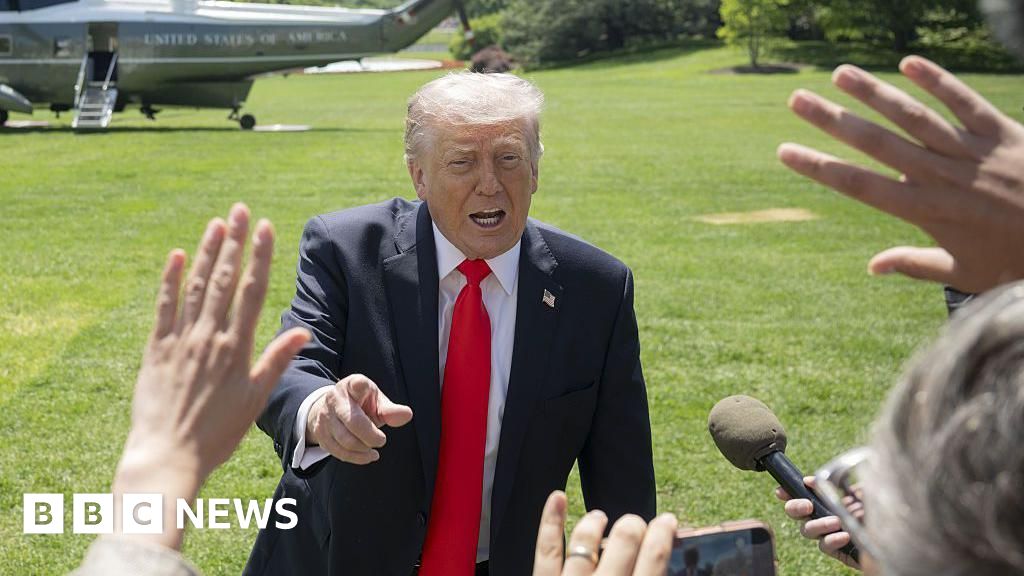
- U.S. President Donald Trump met Chevron CEO Mike Wirth and other energy executives at the White House on Tuesday.
- Trump has instructed aides to prepare to extend the ongoing blockade of Iran's ports, according to the Wall Street Journal.
- Iran claims it struck a U.S. Navy vessel near the Strait of Hormuz; the U.S. military denies the incident.
- The Strait of Hormuz has been effectively closed for weeks, carrying about a fifth of global oil and LNG supply.
- At least four vessels tracked from Iranian ports have crossed the U.S. blockade line, BBC Verify analysis shows.
- Equinor signed $1.8 billion in drilling deals to maintain high oil and gas output.
- China ordered refiners to ignore U.S. sanctions on key Iranian oil buyers.
Oil Prices Surge Amid Fears of Prolonged Hormuz Closure
The global benchmark Brent crude rose above $120 a barrel on Wednesday, briefly touching $122 — its highest level since 2022. The sharp increase came as traders digested reports that the United States is preparing for an extended blockade of Iran, effectively closing the Strait of Hormuz for the foreseeable future. The Strait, a narrow waterway between Iran and Oman, normally carries roughly one-fifth of the world's oil and liquefied natural gas supply. It has been effectively shut for weeks due to the conflict that began with U.S. and Israeli strikes on 28 February. Iran has severely restricted shipping through the strait in response, warning earlier this month that any vessel approaching would be targeted.
White House Meeting Signals Long-Term Strategy
Energy executives including Chevron chief executive Mike Wirth met U.S. President Donald Trump at the White House on Tuesday to discuss limiting the fallout from the conflict on American consumers. A White House official described the meeting as part of the President's regular discussions with energy industry leaders. The executives covered topics such as domestic energy production, progress in Venezuela, oil futures, natural gas, and shipping, according to the official. Oil traders interpreted the meeting as a sign that the effective closure of the Strait of Hormuz will continue for a long time, amplifying the price surge.
Trump Orders Extended Blockade as Iran Escalates
from the Wall Street Journal indicate that President Trump has instructed his aides to prepare to extend the ongoing blockade of Iran's ports, aiming to squeeze the country's economy. The U.S. had earlier announced that its forces would intercept or turn back vessels traveling to or from Iranian ports. In response, Iran has vowed to continue disrupting traffic through the Strait of Hormuz. On Wednesday, Tehran claimed it had struck a U.S. Navy vessel near the strait with a missile. The U.S. military denied the claim, but the incident underscored the fragility of the situation. The Dow Jones Industrial Average fell 400 points as oil prices jumped on fears that the Iran conflict could flare up again despite a ceasefire.
Evidence of Blockade Breaches and Supply Strains
Analysis by BBC Verify shows that at least four vessels tracked from Iranian ports appear to have crossed the U.S. blockade line. Meanwhile, the first India-bound LPG tanker cleared the Strait of Hormuz since the blockade began, indicating some traffic is still moving. Global methane cuts could unlock double the gas volumes currently hit by the Hormuz crisis, suggesting potential relief if diplomatic efforts succeed. A Russian oil cargo is set to arrive in Japan amid supply strains, and Australia and Japan have deepened energy ties with a new supply chain pact.
Economic Recession Fears and OPEC+ Dynamics
Analysts warn that oil at $125 a barrel could tip the global economy into recession. The price spike comes as OPEC+ increases output, and Trump launched 'Project Freedom' — an initiative to free stranded ships from the Strait of Hormuz. Oil prices fell earlier on the news of the project and increased OPEC+ production, but the rally resumed after Iran's missile claim. Equinor signed $1.8 billion in drilling deals to keep oil and gas output high, while China ordered its refiners to ignore U.S. sanctions on key Iranian oil buyers, further complicating the supply picture.
Divergent Claims Raise Uncertainty Over Next Steps
The U.S. military's denial of Iran's missile strike claim leaves the immediate threat level ambiguous, but the market is pricing in sustained disruption. Iran's rejection of Trump's Hormuz plan — a proposal to de-escalate — has caused TTF futures to swing from loss to gain. The UAE stated that its OPEC exit was 'not directed against anyone,' while the broader energy landscape remains volatile. With no clear diplomatic resolution in sight, the risk of a prolonged closure of the Strait of Hormuz continues to drive oil prices and global economic anxiety.
A New Era of Energy Uncertainty
The confluence of military confrontation, strategic blockades, and record oil prices marks a defining moment for global energy markets. The effective closure of the Strait of Hormuz — a chokepoint for a fifth of the world's oil and LNG — has exposed the fragility of supply chains that underpin the global economy. As the U.S. prepares for an extended blockade and Iran vows to retaliate, the path forward remains fraught. The meeting between Trump and energy executives suggests a long-term strategy to boost domestic production and mitigate consumer pain, but the immediate outlook hinges on whether diplomacy can prevent a broader conflict. For now, the price of oil remains far above pre-conflict levels, and the world watches for the next move.
The bottom line
- Brent crude hit $122 a barrel, the highest since 2022, as the Strait of Hormuz closure persists.
- President Trump has ordered aides to extend the blockade of Iran's ports, signaling a long-term strategy.
- Iran claims it struck a U.S. Navy vessel near Hormuz; the U.S. denies the incident, but tensions remain high.
- The Strait of Hormuz normally carries 20% of global oil and LNG; its closure has severe supply implications.
- At least four vessels have breached the U.S. blockade, while the first India-bound LPG tanker cleared the strait.
- Analysts warn that $125 oil could trigger a global recession, with OPEC+ increasing output and 'Project Freedom' underway.




Rare May Nor'easter Pummels Maritimes with Rain, Gusts and Snow

23 U.S. States Declare Emergencies as Winter Storm Threatens 200 Million

Flyers and Hurricanes Set for First Postseason Meeting After Four Overtime Thrillers