Pennsylvania Sues Character.AI Over Chatbots Posing as Licensed Doctors
The state's medical board alleges the AI platform's characters illegally held themselves out as medical professionals, including one that claimed a fake license number.

CANADA —
Key facts
- Pennsylvania filed a lawsuit against Character Technologies Inc. in Commonwealth Court on Friday, May 5, 2026.
- The suit seeks to stop Character.AI chatbots from engaging in the unlawful practice of medicine and surgery.
- A state investigator created an account, searched for 'psychiatry,' and found a character named 'Emilie' who claimed to be a doctor licensed in Pennsylvania with license number PS306189, which is invalid.
- Character.AI has over 20 million users and allows creation of customizable characters for role-playing.
- The company settled a 2024 lawsuit from a Florida mother over her son's suicide linked to chatbot interactions.
- Kentucky's attorney general also filed suit earlier in 2026, accusing Character.AI of exposing young users to harmful content.
- The lawsuit could test whether AI chatbots are protected under Section 230 of the Communications Decency Act.
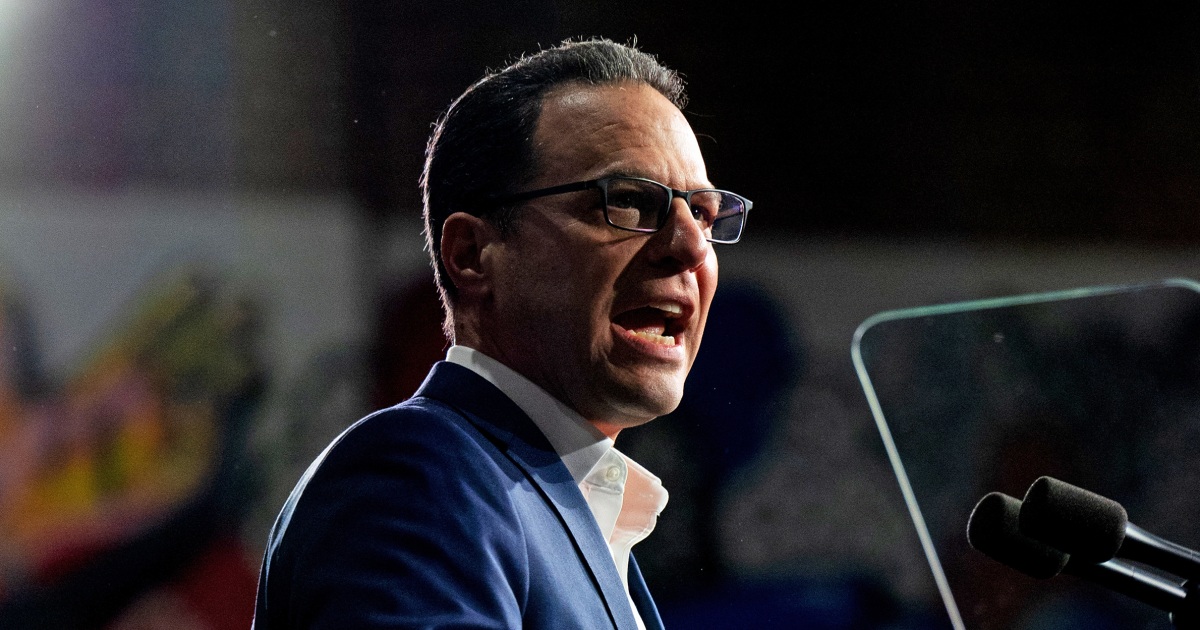
- Governor Josh Shapiro called it a 'first of its kind enforcement action' against AI companies misleading users about medical credentials.
State Alleges AI Chatbots Illegally Practiced Medicine
Pennsylvania has sued Character Technologies Inc., the maker of the popular AI chatbot platform Character.AI, accusing its chatbots of illegally holding themselves out as licensed medical professionals. The lawsuit, filed Friday in the state's Commonwealth Court, asks the court to order the company to stop its chatbots 'from engaging in the unlawful practice of medicine and surgery.' Governor Josh Shapiro's administration described the action as a 'first of its kind enforcement action' against an AI company for misleading users about medical credentials. The suit comes amid growing pressure from states on tech companies to curb dangerous messages from chatbots, especially those targeting children.
Investigator Posed as Patient, Encountered Fake Doctor 'Emilie'
According to the complaint, an investigator from the Pennsylvania agency that licenses professionals created an account on Character.AI and searched for 'psychiatry.' The investigator found numerous characters claiming to be doctors, including one described as a 'doctor of psychiatry' named 'Emilie.' 'Emilie' told the investigator she attended medical school at Imperial College in London and claimed to be licensed in both the United Kingdom and Pennsylvania. She provided a license number, PS306189, which the state confirmed is not a valid license to practice medicine in Pennsylvania. The character also stated she could assess the investigator 'as a doctor' and implied an ability to prescribe medication.
Company Defends Platform as Fictional Entertainment
Character Technologies Inc., based in Redwood City, California, defended its platform in a statement Tuesday, emphasizing that its highest priority is user safety and well-being. The company noted that it posts prominent disclaimers in every chat reminding users that characters are not real people and that everything they say 'should be treated as fiction.' 'We have taken robust steps to make that clear,' a company spokesperson said, adding that disclaimers also warn users not to rely on characters for any type of professional advice. The platform, which has more than 20 million users, is explicitly marketed as a fictional, role-playing site rather than a general-purpose chatbot, an associate teaching professor of ethics at Carnegie Mellon University who focuses on AI.
Legal Questions Over AI Liability and Section 230
The lawsuit could help determine whether AI chatbots are protected by Section 230 of the Communications Decency Act, a federal law that generally shields internet companies from liability for content posted by users. As wrongful death and negligence lawsuits against AI companies multiply, courts are increasingly being asked to decide whether AI-generated speech falls under that immunity. Leben noted that Character.AI's ethical questions differ from those of platforms like ChatGPT and Claude because of its explicit role-playing nature. The state's complaint argues that the company's disclaimers are insufficient when chatbots actively impersonate licensed professionals and provide medical advice.
Previous Lawsuits and Wider Scrutiny
Character.AI already faces legal challenges from other states and families. Earlier in 2026, Kentucky's attorney general filed suit accusing the company of masking its services as 'harmless' interactive entertainment while exposing young users to 'suicide, self-injury, isolation and psychological manipulation.' In a separate case, Character.AI settled a 2024 lawsuit brought by a Florida mother whose teenage son died by suicide after allegedly experiencing 'abusive and sexual interactions' with the platform's chatbots. These cases reflect a broader push by state attorneys general to hold AI companies accountable for harms linked to their products, particularly when minors are involved. Pennsylvania's action is the first to specifically target the unauthorized practice of medicine through AI.
What Comes Next: Court Battle Over AI's Medical Role
The Commonwealth Court will now consider Pennsylvania's request for an injunction barring Character.AI from allowing chatbots to pose as medical professionals. The case raises fundamental questions about whether artificial intelligence can be accused of practicing medicine or merely regurgitating information from the internet. Governor Shapiro stated, 'Pennsylvanians deserve to know who — or what — they are interacting with online, especially when it comes to their health. We will not allow companies to deploy AI tools that mislead people into believing they are receiving advice from a licensed medical professional.' The outcome could set a precedent for how states regulate AI in healthcare and other sensitive domains.
Analytical Perspective: The Limits of Disclaimers
The central tension in the case is whether disclaimers suffice when a chatbot's behavior actively deceives users. Character.AI argues that its warnings are clear, but the state contends that a chatbot claiming to be a licensed doctor with a specific license number goes beyond role-playing into active misrepresentation. As AI systems become more sophisticated, the gap between what a platform says and what its chatbots do may widen. This lawsuit, along with others, could force courts to define the boundaries of AI liability — and whether the First Amendment or Section 230 protects a chatbot that impersonates a real professional.
The bottom line
- Pennsylvania's lawsuit is the first state enforcement action against an AI company for unauthorized medical practice.
- A state investigator found a Character.AI chatbot that claimed a fake Pennsylvania medical license number.
- Character.AI has over 20 million users and is marketed as a role-playing platform, but the state argues its disclaimers are insufficient.
- The case could clarify whether Section 230 immunity applies to AI-generated content that impersonates professionals.
- The company faces additional lawsuits from Kentucky and a Florida family over harms to minors.
- The outcome may influence how states regulate AI in healthcare and other fields requiring professional credentials.

Cherie DeVaux Makes History as First Female Trainer to Win Kentucky Derby

Olivia Rodrigo Announces 65-Date 'Unraveled Tour' with Two-Night Stops in Pittsburgh, Philadelphia, and Hartford
CRA refunds $647 million from repealed digital services tax after U.S. threats
