Eta Aquarid Meteor Shower Peaks Tonight: Halley's Comet Debris to Light Up Skies Despite Moon Interference
Stargazers in Canada and the northern hemisphere may see 10–30 meteors per hour before dawn on May 6, though a waning gibbous moon threatens to dim the show.
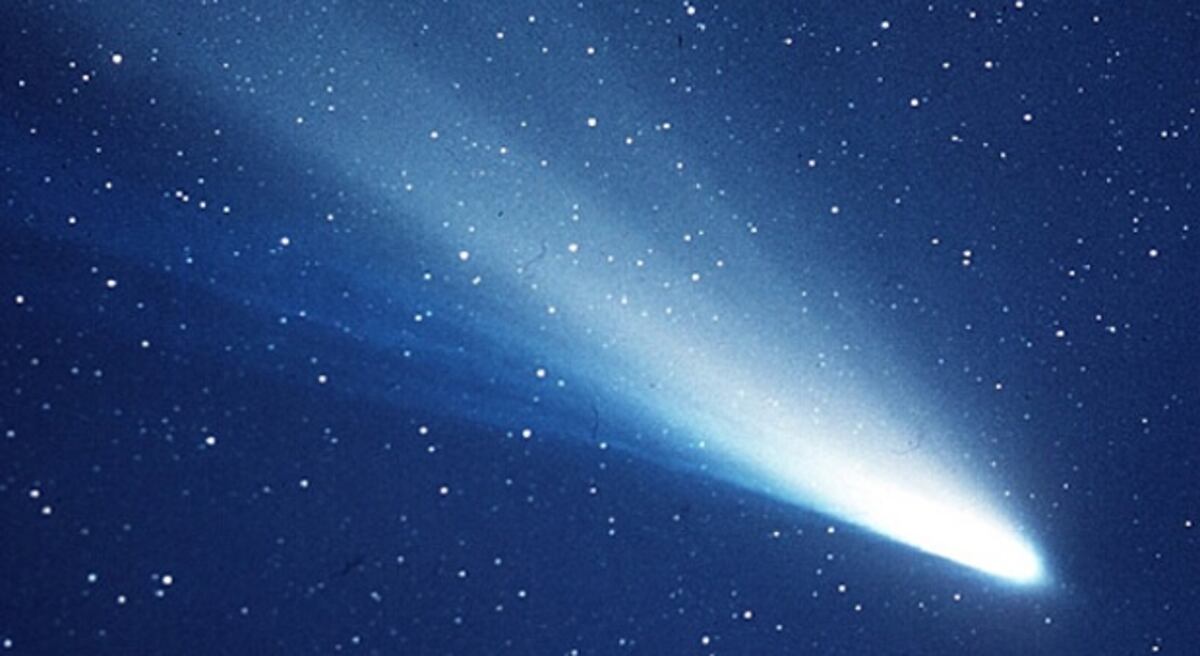
CANADA —
Key facts
- The Eta Aquarid meteor shower peaks overnight on May 5–6, 2026.
- The shower is active from April 19 to May 28, 2026.
- The debris originates from Halley's Comet.
- Up to 50 meteors per hour may be visible under ideal conditions in the southern hemisphere tropics.
- Northern hemisphere viewers may see 10–30 meteors per hour, but moonlight could reduce that to under 10.
- The waning gibbous moon will be 84% illuminated, rising shortly after midnight on May 5–6.
- The radiant is in the constellation Aquarius, rising about three hours after midnight.
A Celestial Display Hampered by Lunar Glare
The Eta Aquarid meteor shower, born from the debris trail of Halley's Comet, reaches its peak tonight, offering skywatchers a chance to see fast-moving shooting stars streak across the pre-dawn sky. However, the spectacle will be partially obscured by a waning gibbous moon, which rises shortly after midnight on May 5–6 and will be 84% illuminated, flooding the sky with light that will wash out fainter meteors. For those in the northern hemisphere, including Canada, the best viewing window is the predawn hours of May 6, when the shower's radiant — the point in the sky from which the meteors appear to emanate — reaches its highest altitude. Under ideal conditions, observers might spot 10 to 30 meteors per hour, but the moon's interference could reduce that number to fewer than 10 sightings per hour, according to the American Meteor Society.
Halley's Comet: The Source of the Shooting Stars
The Eta Aquarid meteor shower occurs each year when Earth passes through the stream of debris left behind by Halley's Comet during its 76-year orbit around the Sun. As the planet plows through this trail of dust and ice particles at high speed, the particles burn up in the atmosphere, creating bright streaks of light. Halley's Comet itself is currently far from Earth, but its legacy continues to produce two annual meteor showers: the Eta Aquarids in May and the Orionids in October. The comet's last perihelion was in 1986, and it will not return to the inner solar system until 2061.
Best Viewing Times and Locations
The shower is active from April 19 to May 28, with a broad peak centered on the night of May 5–6. For northern hemisphere observers, the optimal time to look is during the predawn hours of May 6, roughly three hours after midnight, when the radiant in the constellation Aquarius rises above the eastern horizon, to the left of the waning moon. To maximize the chance of seeing meteors, experts recommend finding a patch of sky about 40 degrees away from the radiant — roughly the width of four clenched fists held at arm's length. Meteors seen farther from the radiant tend to leave longer, more persistent glowing trains, making them more impressive.
Southern Hemisphere Gets the Better Show
The Eta Aquarids are generally more favorable for viewers in the southern hemisphere, where the radiant is higher in the sky. Under ideal conditions — a dark, moonless sky — observers there could see up to 50 meteors per hour, according to the American Meteor Society. In the northern hemisphere, the lower altitude of the radiant combined with the bright moonlight means the actual observed rate may be significantly lower. Stargazers are advised to use a smartphone astronomy app, such as Stellarium or SkySafari 7 Pro, to help locate the radiant amid the glare.
Tips for Photographing the Meteors
For those hoping to capture the event on camera, the fast-moving nature of Eta Aquarid meteors — they enter the atmosphere at about 66 kilometers per second — requires a camera with good low-light performance and a fast lens. The Canon EOS R7 has been recommended as a top choice for beginners in astrophotography. Photographers should use a tripod, set a wide aperture, and use a long exposure (typically 15-30 seconds) to increase the chance of catching a meteor streak. Space.com invites readers to submit their best images to [email protected], along with name, comments, and location.
What to Expect for the Rest of the Shower
Although the peak occurs tonight, the Eta Aquarids will remain active until May 28, offering additional opportunities for viewing, albeit with decreasing meteor rates. The moon will continue to wane in the coming nights, reducing its interference, but the radiant will also set earlier each night. For those who miss the peak, the next major meteor shower is the Orionids in October, also produced by Halley's Comet. Until then, the night sky offers other celestial sights, including the ongoing visibility of several planets and the gradual approach of the summer solstice.
The bottom line
- The Eta Aquarid meteor shower peaks on the night of May 5–6, 2026, with best viewing in the predawn hours of May 6.
- The shower is caused by debris from Halley's Comet, which last passed Earth in 1986 and will return in 2061.
- Northern hemisphere observers may see 10–30 meteors per hour, but a waning gibbous moon (84% lit) could reduce counts to under 10.
- Southern hemisphere viewers have a better chance, with up to 50 meteors per hour possible under ideal conditions.
- To see the most meteors, look about 40 degrees away from the radiant in Aquarius, which rises around three hours after midnight.
- The shower remains active until May 28, but rates will decline after the peak.






Michael Schumacher's manager hits back at Todt's 'malicious intent' claims
Eta Aquarid meteor shower peaks tonight as Earth plows through Halley's debris
Thunder Face Lakers in Playoff Spotlight as Gilgeous-Alexander Prepares for LeBron