Gas Prices Set to Surge Across Canada Amid Middle East Tensions
Experts predict significant price hikes at the pump this week due to escalating conflict and shipping disruptions.
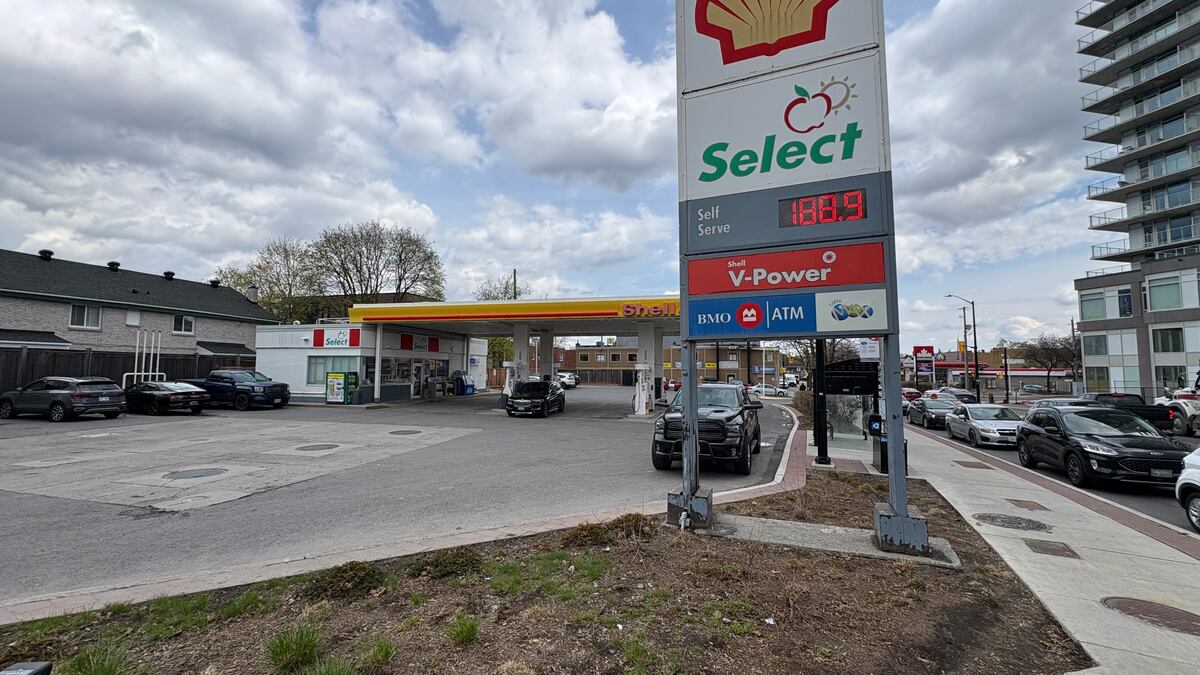
CANADA —
Key facts
- Gasoline prices expected to rise by seven cents per litre in Ontario on Wednesday.
- Diesel prices anticipated to increase by five cents per litre in Ontario on Wednesday.
- Metro Vancouver drivers may see a seven-cent per litre jump in gasoline prices overnight.
- Montreal and Toronto could experience price increases of at least five cents per litre.
- Halifax may see gasoline prices rise by nearly six cents per litre.
- Global oil prices have been affected by attacks on shipping vessels in the Strait of Hormuz.
- Approximately 25% of the world's seaborne oil trade passes through the Strait of Hormuz.
Drivers Brace for Price Hikes
Motorists across Canada are preparing for a significant increase in gasoline prices, with experts forecasting substantial hikes beginning Wednesday. The anticipated surge is directly linked to escalating geopolitical tensions in the Middle East and the subsequent impact on global oil markets. Drivers in major cities from Vancouver to Halifax are being advised to fill their tanks sooner rather than later, as prices are expected to climb sharply overnight. The immediate concern for consumers is the rapid fluctuation and upward trend of fuel costs. This volatility is creating a challenging environment for household budgets and transportation planning. The situation underscores the delicate balance of global energy supply and demand, where regional conflicts can have immediate and widespread economic repercussions. This latest round of price increases follows a period of already rising costs. In Metro Vancouver, the average price per litre of gas has already climbed by nearly five cents in the past week, though this was considered a modest rise compared to national trends. The situation is poised to become more acute as the week progresses.
Ontario Faces a Volatile Week at the Pumps
In Ontario, energy expert Dan McTeague predicts a turbulent week for gasoline and diesel prices. McTeague, president of Canadians for Affordable Energy, forecasts a seven-cent per litre increase for gasoline on Wednesday, followed by a five-cent decrease on Thursday. This prediction was adjusted after refineries reduced their margins by one cent per litre. For diesel fuel, McTeague anticipates a five-cent per litre rise on Wednesday, with a subsequent two-cent drop on Thursday. These forecasts are based on the principle that energy market movements are reflected at the pumps approximately two days later. The fluctuations are being driven by a complex interplay of global events and refinery operations. McTeague described the current market as a "roller-coaster where reality is fighting with the world of magic and make-belief." He highlighted that while recent decreases in traded oil prices might offer temporary relief, they mask underlying supply issues that will likely have a more significant impact later. The market's current optimism, he suggests, is ignoring critical disruptions.
Metro Vancouver and Beyond See Sharp Increases
Drivers in Metro Vancouver are facing another substantial overnight price jump, chief petroleum analyst at EnPro. McKnight initially estimated a five-cent per litre increase after midnight but later revised this to a potential seven-cent hike. He bases his predictions on wholesale price changes, acknowledging that individual retailers have the final say on the exact pump price. McKnight assured that prices are unlikely to decrease, stating, "But I guarantee they aren’t going down." This sentiment reflects the broader upward pressure on fuel costs affecting the region. The average price per litre in Metro Vancouver has already seen a notable increase compared to the previous year, with prices on Sunday being over fifty cents higher than a year ago. The price hikes are not confined to the West Coast. EnPro projects similar increases across the country, with Montreal and Toronto expected to see at least a five-cent per litre rise. Halifax is also anticipating a significant jump, with prices projected to climb by nearly six cents per litre. The exact causes for these specific overnight jumps are being further investigated.
Geopolitical Fault Lines Drive Oil Market Instability
The current volatility in gasoline and diesel prices is intrinsically linked to the ongoing conflict in the Middle East. Since the United States and Israel launched attacks on Iran in February, fuel prices have been on an upward trajectory. Iran's retaliatory actions, including attacks on shipping vessels in the Strait of Hormuz, have severely disrupted crucial trade routes. The Strait of Hormuz is a critical chokepoint for global energy transport. According to the International Energy Agency, approximately 25% of the world's seaborne oil trade and 19% of liquefied natural gas pass through this narrow waterway. Iran's actions have effectively created a blockade, significantly curtailing the flow of millions of barrels of crude oil daily. In response to Iran's actions, the U.S. has implemented its own blockade of Iranian vessels and ports. This tit-for-tat escalation further exacerbates the supply concerns and contributes to the price instability. While global oil prices saw a temporary dip amid news of U.S. actions, experts warn that the underlying supply shock remains a significant threat to market stability and consumer prices.
The Broader Economic Impact
The persistent rise in gas prices has far-reaching economic implications beyond the immediate cost at the pump. For consumers, higher fuel costs translate into reduced disposable income, potentially dampening spending in other sectors. Businesses, particularly those reliant on transportation and logistics, face increased operational expenses, which can be passed on to consumers in the form of higher prices for goods and services. This inflationary pressure can complicate efforts by central banks to manage the economy. Sustained high energy prices can contribute to broader inflation, making it more challenging to achieve stable price levels. The interconnectedness of global energy markets means that disruptions in one region can trigger a cascade of economic consequences worldwide. As the situation in the Middle East remains tense, the outlook for fuel prices is uncertain. The ongoing conflict and the strategic importance of the Strait of Hormuz suggest that supply disruptions could persist, keeping upward pressure on oil prices. Consumers and businesses alike will be closely monitoring developments, bracing for potential further price adjustments.
The bottom line
- Gasoline and diesel prices are expected to increase across Canada this week due to Middle East tensions.
- Ontario drivers will likely see a seven-cent per litre rise in gasoline prices on Wednesday.
- Metro Vancouver and other major Canadian cities are also anticipating significant overnight price hikes.
- Disruptions in the Strait of Hormuz, a key oil shipping route, are a primary driver of the price increases.
- Geopolitical actions and retaliations between Iran and the U.S. have destabilized global oil markets.
- The price surges have broader economic consequences, impacting consumer spending and business costs.




Lotto Max Jackpot Climbs to $70 Million as Major Prizes Go Unclaimed
CRA refunds $647 million from repealed digital services tax after U.S. threats

Canada Narrows TR-to-PR Pathway, Excluding Major Cities and Requiring Two Years’ Experience