Apple to Pay Up to $95 Per Phone in $250 Million AI Lawsuit Settlement
iPhone owners may receive cash payments as Apple settles claims of false advertising over "Apple Intelligence" features.
CANADA —
Key facts
- Apple has agreed to a $250 million settlement in a class-action lawsuit.
- The lawsuit alleged false advertising of artificial intelligence capabilities.
- Eligible iPhone owners could receive between $25 and $95 per device.
- The settlement covers about 37 million devices purchased in the U.S.
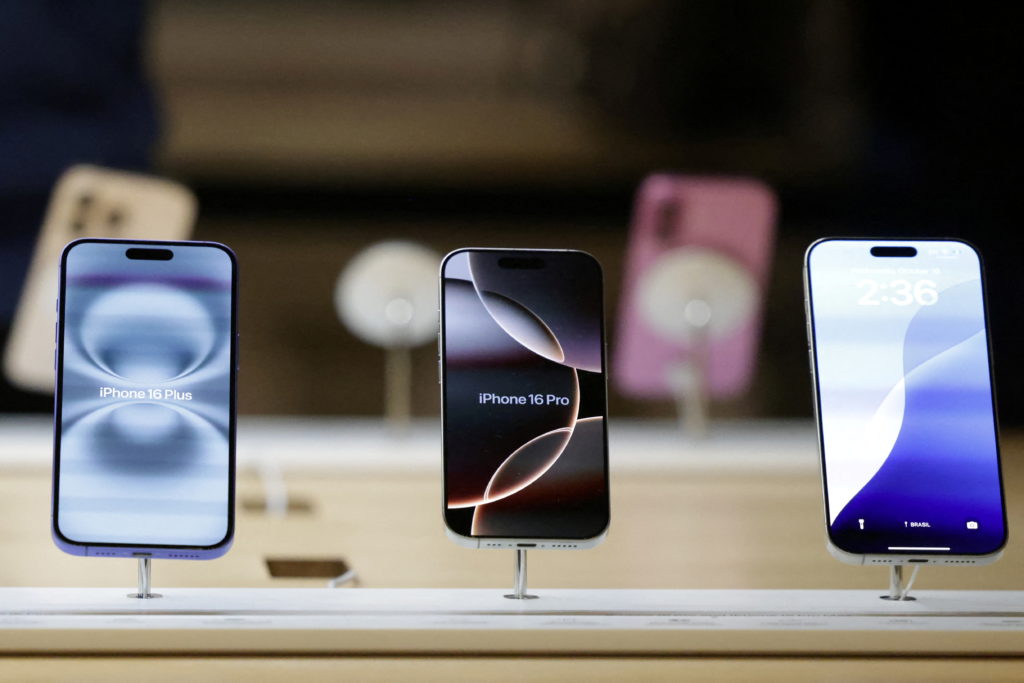
- Eligible devices include iPhone 15 and iPhone 16 models.
- Purchases must have been made between June 10, 2024, and March 29, 2025.
- A judge must grant preliminary approval for the settlement to take effect.
iPhone Buyers Set for Payouts Amid AI Claims
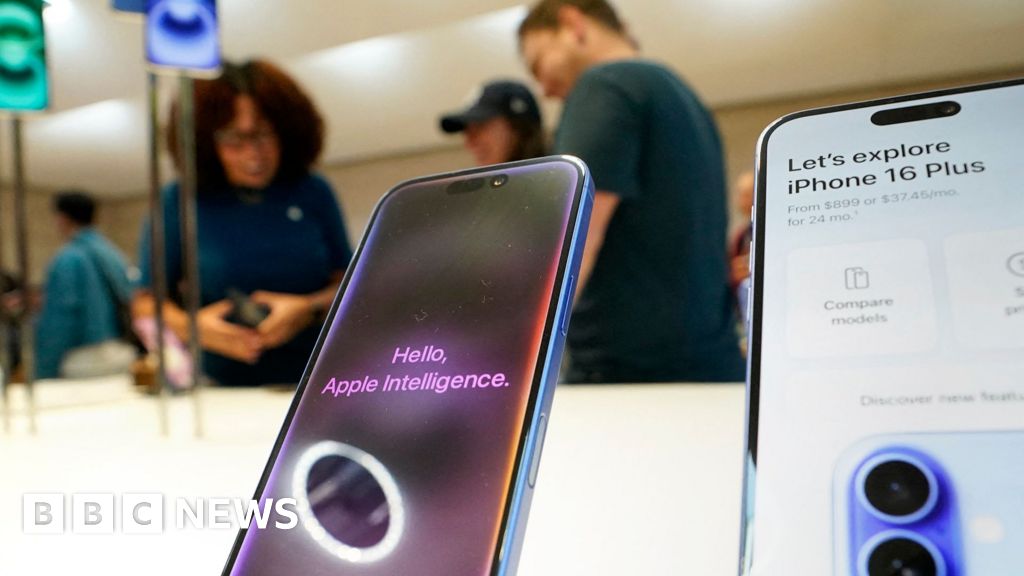
Owners of certain iPhones are poised to receive cash payments of up to $95 each, following Apple's agreement to a $250 million settlement. This resolution stems from a class-action lawsuit accusing the technology giant of misleading consumers about the artificial intelligence capabilities of its devices. The settlement, filed in California federal court, addresses claims that Apple engaged in false advertising concerning its "Apple Intelligence" features, particularly enhancements to its virtual assistant, Siri. While Apple has not admitted wrongdoing, the agreement aims to resolve allegations that the company promoted non-existent or delayed features to drive sales. If approved by a judge, this payout could represent one of the largest settlements ever for Apple. The case highlights the intense scrutiny tech companies face as they race to integrate advanced AI into consumer products, often leading to consumer expectations that outpace actual product delivery.
Allegations of Deceptive Marketing Campaign
The lawsuit, initially filed on behalf of U.S. consumers, centered on Apple's marketing efforts surrounding the iPhone 16 and its associated software updates. Plaintiffs contended that Apple's advertising campaign, which heavily promoted "Apple Intelligence" and a dramatically enhanced Siri, created a false impression of the product's immediate capabilities. According to court filings, consumers were led to believe that these advanced AI features would be readily available upon purchase. The core of the accusation is that buyers "would not have purchased the Eligible Devices or would have paid significantly less, had they known Enhanced Siri features were not available." This alleged deception occurred as Apple sought to keep pace with rivals like Google and Samsung, who have been more aggressively rolling out AI technologies on their devices. The company had touted Siri's transformation from a "limited voice interface into a full-fledged personal AI assistant," a promise plaintiffs argue was unfulfilled at the time of purchase and for a significant period thereafter.
Details of the Settlement and Eligible Devices
The proposed settlement covers approximately 37 million devices purchased in the United States. The eligible period for these purchases spans from June 10, 2024, to March 29, 2025. This includes all models of the iPhone 16, as well as the iPhone 15 Pro and iPhone 15 Pro Max. Under the terms of the agreement, eligible iPhone owners are set to receive a minimum payment of $25 per device. This amount could increase to as much as $95 per device, contingent on the total number of claims filed and other unspecified factors. The final distribution will be determined after the claims process is completed and approved. Customers will be notified via email or mail about their eligibility and provided with instructions on how to file a claim through a dedicated settlement website. The process requires judicial approval before any payments can be disbursed to consumers.
Apple's Stance and Future AI Rollouts
In its statement regarding the settlement, Apple emphasized its commitment to innovation and user experience. An Apple spokeswoman indicated that the lawsuit primarily concerned "the availability of two additional features" within a broader suite of offerings. "We resolved this matter to stay focused on doing what we do best, delivering the most innovative products and services to our users," the company stated. Apple also noted that it has since introduced numerous features under the "Apple Intelligence" umbrella, such as Visual Intelligence and Live Translations, and plans to roll out additional Siri-related AI functionalities in future software updates. The company has been working to enhance its AI offerings, with a significant Siri upgrade expected to be unveiled later this year, potentially at its annual developer conference. This ongoing development reflects Apple's strategy to catch up in the competitive AI landscape, driven by advancements from companies like OpenAI and Anthropic.
The Path to Resolution and Judicial Scrutiny
The class-action lawsuit was initially brought by Peter Landsheft, a California resident, in March 2025, with several other plaintiffs subsequently joining the consolidated case. Lawyers representing the iPhone buyers formally requested preliminary approval of the $250 million settlement from the court. A court hearing is scheduled for June, where a judge will review the proposed agreement. The settlement will only become legally binding and allow for the distribution of funds if it receives final approval from the court. This judicial oversight is a critical step, ensuring that the terms of the settlement are fair and reasonable to all parties involved before any financial transactions are made to the millions of affected consumers.
Broader Context of AI Competition
Apple's situation unfolds against a backdrop of intense competition in the artificial intelligence sector. Tech giants are locked in a race to develop and deploy sophisticated AI capabilities, a trend that has accelerated with the rise of generative AI models. Critics, including some who have voiced concerns about Apple's pace of innovation under CEO Tim Cook, suggest that the company's marketing push around "Apple Intelligence" was an attempt to demonstrate relevance in this rapidly evolving technological landscape. The lawsuit's claims that Apple promoted AI features that "do not exist at the time, do not exist now, and will not exist for two or more years, if ever," underscore the pressure Apple faces. By settling, Apple aims to mitigate potential further legal entanglements and redirect its focus towards delivering on its AI promises, while rivals continue to establish their presence with advanced AI-powered products.
The bottom line
- Apple has agreed to a $250 million settlement to resolve a class-action lawsuit alleging false advertising of AI features.
- Eligible iPhone 15 and 16 owners who purchased devices between June 10, 2024, and March 29, 2025, could receive between $25 and $95.
- The lawsuit claimed Apple misled consumers by promoting "Apple Intelligence" and enhanced Siri features that were not immediately available.
- The settlement covers approximately 37 million devices in the United States.
- The agreement requires preliminary approval from a judge, with a hearing scheduled for June.
- Apple stated it resolved the matter to focus on delivering innovative products and services, while continuing to develop its AI capabilities.



Lotto Max Jackpot Climbs to $70 Million as Major Prizes Go Unclaimed

Nintendo Announces Star Fox Remake for Switch 2

Survivor 50: Double Elimination Sees Alliances Crumble