Iran Warns US Against 'Being Dragged Back Into Quagmire' as Ceasefire Unravels
Iranian Foreign Minister Abbas Araghchi dismisses Project Freedom as 'Project Deadlock' after a US-flagged vessel transits the Strait of Hormuz under military protection.

CANADA —
Key facts
- Iranian drones and missiles hit the United Arab Emirates, breaking a fragile ceasefire.
- President Donald Trump said the US struck seven Iranian 'fast boats' in the Strait of Hormuz.
- Iranian state media disputed the claim, reporting that two small cargo vessels were hit, killing five civilians.
- Maersk's US-flagged vessel Alliance Fairfax transited the Strait of Hormuz under US military protection on Monday.
- The Strait of Hormuz has been largely blocked since the US and Israel launched air strikes on Iran on February 28.
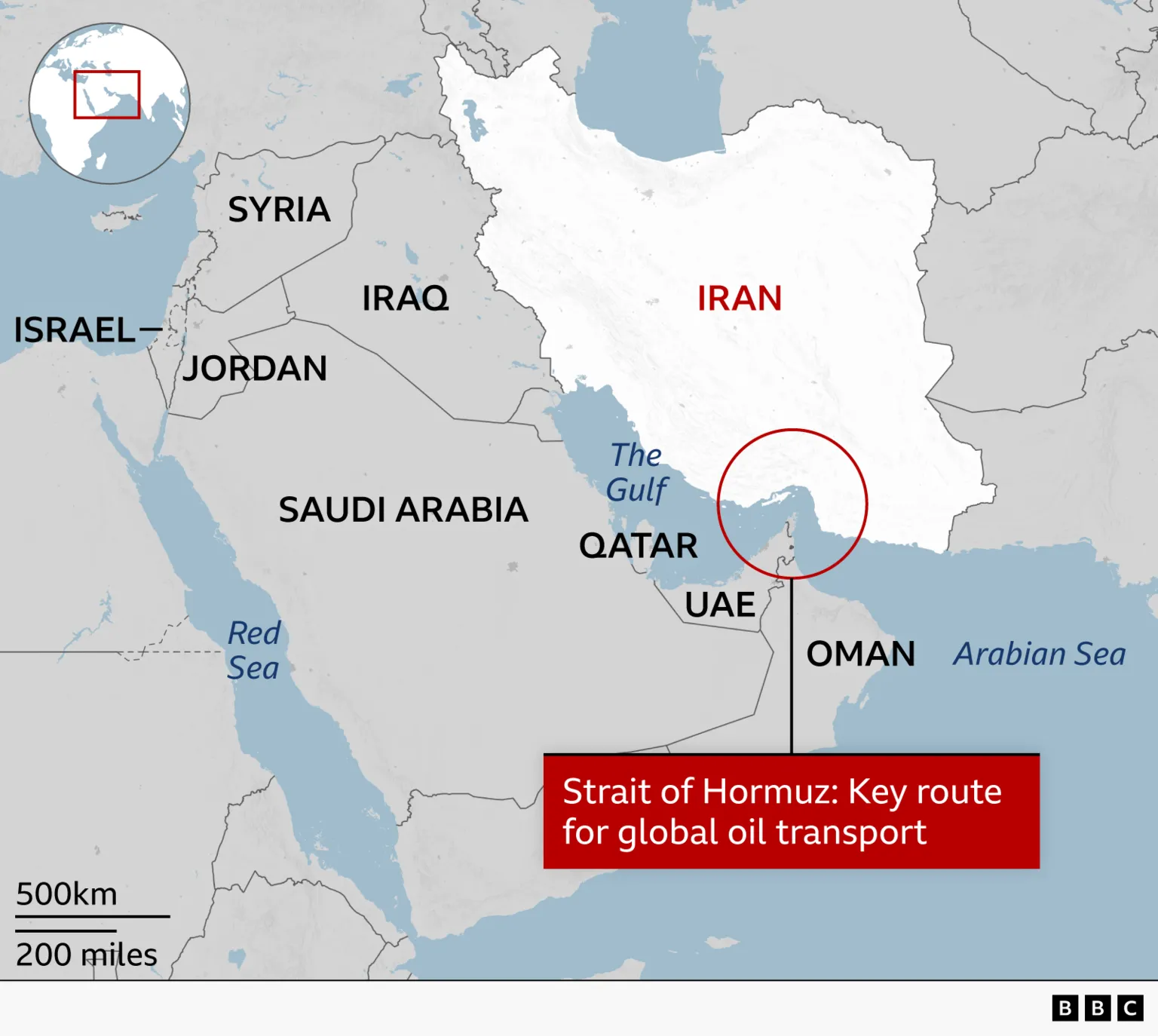
- About 20% of the world's oil and gas typically passes through the Strait of Hormuz.
- Iranian Foreign Minister Abbas Araghchi said talks are making progress with Pakistan's mediation.
Ceasefire Shatters as Iran Strikes UAE, US Sinks Iranian Boats
A fragile ceasefire between the United States and Iran appeared close to unraveling on Tuesday after Iranian drones and missiles struck the United Arab Emirates, while Washington said it had sunk Iranian vessels in the Strait of Hormuz. President Donald Trump announced that the US had hit seven Iranian 'fast boats' in the strategic waterway, claiming, 'We've shot down seven small boats or, as they like to call them, "fast" boats. It's all they have left.' The US military said it used helicopters to attack the boats. Iranian state media, however, disputed Trump's account. Citing a military source, the two small cargo vessels had been hit instead, killing five civilians. The contradictory accounts underscored the volatility of the situation as both sides traded accusations.
Maersk Vessel Transits Strait Under US Military Protection
Danish shipping giant Maersk announced that one of its US-flagged commercial vessels, the Alliance Fairfax, successfully transited the Strait of Hormuz under US military protection on Monday. The ship, operated by Farrell Lines, a subsidiary of Maersk Line Limited, had been stranded at sea since the outbreak of war on February 28. 'The vessel subsequently exited the Persian Gulf accompanied by US military assets,' the company stated, adding that the journey was 'completed without incident, and all crew members are safe and unharmed.' Maersk said it had been contacted by the US and 'offered the opportunity for the vessel to exit the Gulf under US military protection.' The transit is part of President Trump's 'Project Freedom' initiative, a plan to free ships trapped by Iran's closure of the strait. US Central Command confirmed via social media that two US-flagged merchant vessels had successfully transited the waterway, with US Navy guided-missile destroyers operating in the region.
Iran Warns US Against Escalation, Dismisses Project Freedom
Iranian Foreign Minister Abbas Araghchi responded sharply to the developments, posting on social media that recent events in the strait 'make clear that there's no military solution to a political crisis.' He added, 'As talks are making progress with Pakistan's gracious effort, the U.S. should be wary of being dragged back into quagmire by ill-wishers. So should the UAE. Project Freedom is Project Deadlock.' Araghchi's comments came after Trump warned on Fox News that Iran would be 'blown off the face of the earth' if it targeted US ships safeguarding commercial traffic through the strait. The Iranian foreign minister's reference to Pakistan-mediated talks suggested a potential diplomatic channel, though no details were provided.
Strait of Hormuz: A Choked Artery of Global Oil Trade
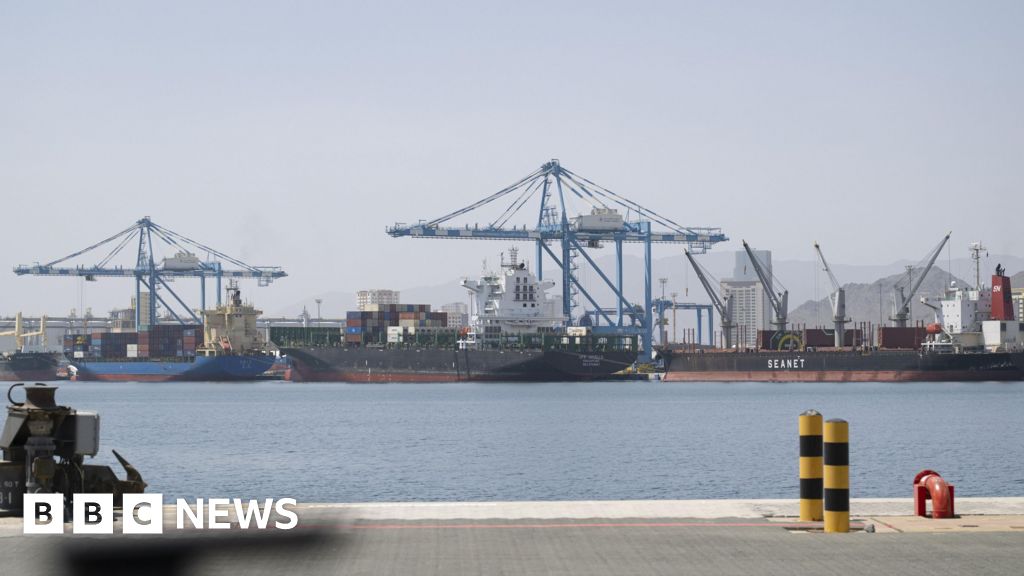
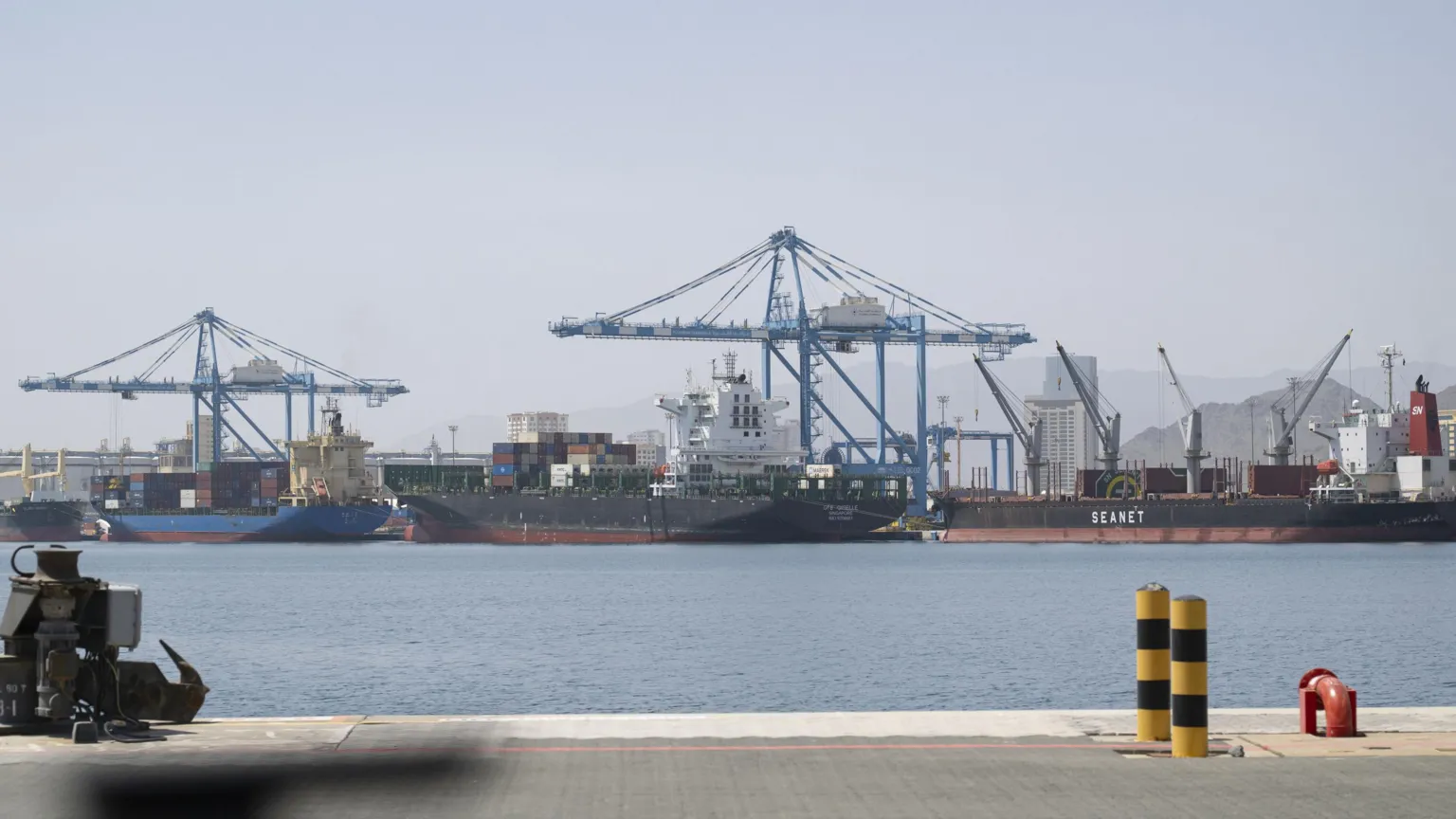
The Strait of Hormuz, a narrow waterway connecting the Persian Gulf and the Gulf of Oman, typically sees about 20% of the world's oil and liquefied natural gas pass through its waters. But shipping traffic has virtually halted since the US and Israel launched air strikes on Iran on February 28. Tehran responded by blocking the strait, and the US imposed its own blockade on Iranian ports. In early April, the US and Iran announced a ceasefire under which Iran ended its drone and missile strikes on Gulf countries, including the UAE. However, few vessels have been able to transit the strait since then, and the latest attacks have shattered any remaining calm. a fire at the oil port of Fujairah after an Iranian attack, while both the strikes on ships in the channel on Monday.
Divergent Narratives and the Risk of Miscalculation
The competing claims from US and Iranian sources highlight the risk of miscalculation as both sides dig in. While Washington insists it struck Iranian fast boats, Tehran's state media offers a different version, accusing the US of hitting civilian vessels. The US military denied an Iranian claim that it fired warning shots at a US warship, calling the report 'entirely false.' Maersk, widely regarded as a barometer of global trade, is scheduled to report its first-quarter earnings on Thursday, a reminder of the economic stakes. The company's successful transit under military protection may signal a new phase in the conflict, but Araghchi's warning suggests that diplomatic efforts remain fragile.
What Comes Next: Diplomatic Channels vs. Military Posturing
With the ceasefire in tatters, the immediate future hinges on whether diplomatic efforts can regain traction. Araghchi's mention of Pakistan's mediation offers a potential off-ramp, but Trump's bellicose rhetoric and the ongoing military operations suggest a continued escalation. The US Navy's 'Project Freedom' aims to reopen the strait, but Iran's foreign minister has labeled it a deadlock. For now, the world watches as two powers with a history of confrontation edge closer to a broader conflict. The Strait of Hormuz remains a flashpoint, and any miscalculation could have devastating consequences for global energy markets and regional stability.
The bottom line
- Iran and the US are trading strikes and accusations, with a fragile ceasefire collapsing after Iranian attacks on the UAE and US sinking of Iranian boats.
- Maersk's Alliance Fairfax successfully transited the Strait of Hormuz under US military protection, a key test of 'Project Freedom.'
- Iranian Foreign Minister Abbas Araghchi dismissed Project Freedom as 'Project Deadlock' and warned the US against escalation.
- The Strait of Hormuz, through which 20% of global oil passes, remains largely blocked since the war began on February 28.
- Divergent narratives from US and Iranian sources raise the risk of miscalculation and further escalation.
- Pakistan-mediated talks are reportedly making progress, offering a potential diplomatic path amid the crisis.


Rare May Nor'easter Pummels Maritimes with Rain, Gusts and Snow

23 U.S. States Declare Emergencies as Winter Storm Threatens 200 Million

Flyers and Hurricanes Set for First Postseason Meeting After Four Overtime Thrillers
