Trump Signals War's End with Iran, Then Issues Stark Warning
President Trump announced a pause in military operations against Iran, citing progress toward a peace deal, but later tempered optimism with threats of renewed escalation.
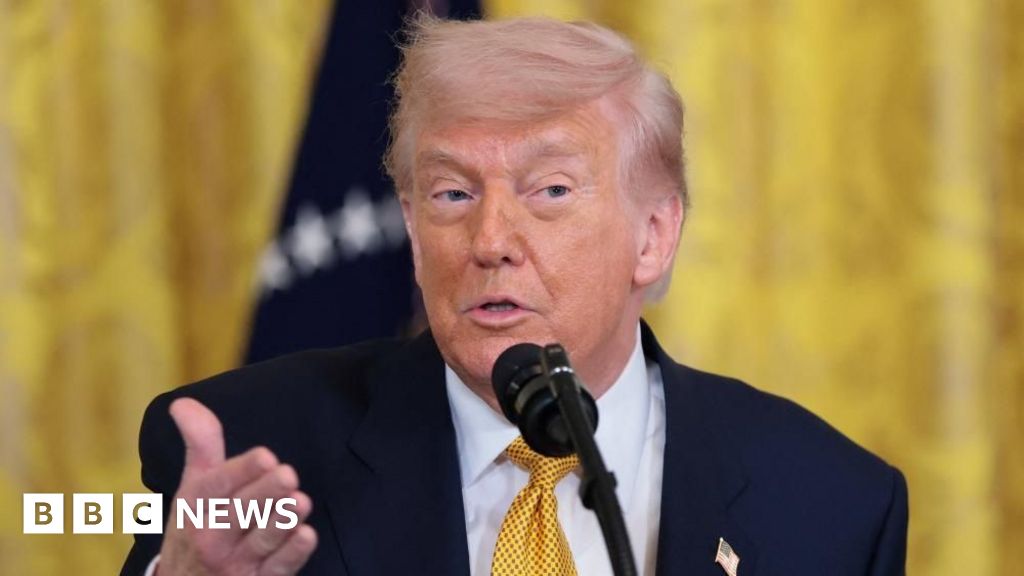
CANADA —
Key facts
- Donald Trump announced a pause in "Project Freedom" to guide ships through the Strait of Hormuz.
- Unnamed U.S. officials cited progress toward a one-page memorandum to end the war with Iran.
- U.S. Secretary of State Marco Rubio stated Operation Epic Fury, military strikes on Iran, was over.
- An American fighter jet shot the rudder off an Iranian oil tanker in the Gulf of Oman on Wednesday.
- Iran is reviewing a new proposal from Washington.
- Iranian parliamentarian 14 points a U.S. "wish list."
- President Trump expressed optimism about a deal but called it a "big assumption."
A Fragile Truce Emerges in the Gulf
Signs of a potential breakthrough in the protracted conflict between the United States and Iran emerged this week, offering a glimmer of hope for de-escalation. President Donald Trump announced a temporary suspension of "Project Freedom," an initiative aimed at guiding vessels through the critical Strait of Hormuz, citing progress toward a "Complete and Final Agreement" with Tehran. This move initially soothed oil markets and fueled expectations of a lasting peace. However, the president himself quickly injected a note of caution, tempering the soaring hopes. Iran confirmed it was reviewing a new proposal from Washington, a development that U.S. media, citing anonymous American officials, reported was nearing a one-page memorandum to formally end hostilities. This delicate diplomatic dance unfolded against a backdrop of continued military action. On Wednesday, an American fighter jet disabled an Iranian oil tanker in the Gulf of Oman as it attempted to navigate a U.S. blockade. The incident underscored the volatile nature of the situation, even as peace talks appeared to gain traction.
Conflicting Signals on the Path to Peace
The narrative surrounding a potential peace deal has been marked by sharp reversals and conflicting statements. President Trump initially declared on his social media platform, Truth Social, that he was pausing "Project Freedom" to finalize an agreement. This announcement was followed by U.S. Secretary of State Marco Rubio stating at the White House that "Operation Epic Fury," the American-led military strikes against Iran, had concluded. Yet, within hours, President Trump shifted his tone dramatically. He characterized an Iran deal as a "big assumption" and warned that if an agreement was not reached, bombing would resume at "a much higher level and intensity." Later, speaking briefly to PBS, Trump expressed optimism about a deal but acknowledged its historical elusiveness. He also indicated to PBS that sending U.S. envoys for a second round of peace talks in Islamabad, Pakistan, was "unlikely," adding another layer of uncertainty to the ongoing diplomatic efforts.
The Proposed Memorandum and Iranian Skepticism
Reports from news outlets indicated that Washington and Tehran were nearing a 14-point memorandum intended to bring the war to a close. This document was reportedly designed to halt hostilities, paving the way for subsequent discussions on unblocking the Strait of Hormuz, lifting sanctions, and curtailing Iran's nuclear program. However, skepticism about the feasibility and terms of such an agreement has surfaced. Some U.S. officials expressed doubts about the potential for a deal and questioned which factions within Iran's leadership would ultimately approve it. This internal division within Iran was echoed by Iranian parliamentarian Ebrahim Rezaei, a spokesperson for the National Security and Foreign Policy Commission. Rezaei, writing on the social media platform X, characterized the reported 14 points as a mere U.S. "wish list." He asserted that Iran remained prepared for continued conflict, stating, "We have our finger on the trigger and are ready" should the Americans fail to make the necessary concessions.
Mediators' Optimism and Obstacles
Despite the public pronouncements and internal doubts, sources close to the mediation efforts expressed confidence in reaching a resolution. A source speaking to Reuters news agency from Pakistan, a key mediator, stated, "We will close this very soon." This optimism from the mediation side contrasts with the publicly stated positions of both the U.S. president and Iranian officials. The proposed memorandum, if finalized, would represent a significant diplomatic achievement after prolonged conflict. deal aim to establish a comprehensive cessation of hostilities. This would then open the door to addressing more complex issues, including the strategic importance of the Strait of Hormuz, the economic pressure of sanctions, and the international community's concerns over Iran's nuclear capabilities.
Stakes Remain High Amidst Shifting Sands
The war in the Gulf, though potentially nearing a pause, carries profound implications for regional stability and global energy markets. The Strait of Hormuz, a vital chokepoint for global oil trade, has been a focal point of the conflict, with disruptions threatening supply chains and driving price volatility. The potential lifting of sanctions on Iran, a key component of the proposed deal, could reshape the geopolitical landscape and impact international trade relations. Simultaneously, addressing Iran's nuclear ambitions remains a critical concern for global security. The success or failure of these peace talks will determine whether the region descends into further escalation, as threatened by President Trump, or embarks on a path toward lasting peace and stability.
The bottom line
- President Trump announced a pause in military operations against Iran, citing progress toward a peace deal.
- a potential one-page memorandum to end the war, with Iran reviewing a new proposal.
- Despite optimism from mediators, President Trump issued a stark warning of intensified bombing if a deal fails.
- An Iranian oil tanker was disabled by a U.S. fighter jet in the Gulf of Oman amid the ongoing tensions.
- Iranian officials expressed skepticism, calling the reported U.S. proposals a "wish list."
- The proposed deal aims to end hostilities, unblock the Strait of Hormuz, lift sanctions, and curb Iran's nuclear program.




Céline Galipeau steps down as anchor of Radio-Canada's flagship newscast after 17 years

Flyers and Hurricanes Set for First Postseason Meeting After Four Overtime Thrillers

Quebec Braces for Major Winter Storm with Snow, Ice, and High Winds
