Ottawa School Board to Cut 69 Unionized Positions Amid Enrollment Decline
The Ottawa-Carleton District School Board cites administrative inefficiencies and declining student numbers as reasons for the staffing reductions.

CANADA —
Key facts
- Ottawa-Carleton District School Board (OCDSB) will cut 69 unionized positions by August 31.
- The cuts target centrally managed staff to reduce overhead and administrative inefficiencies.
- The board expects a drop of 766 elementary and 938 secondary students by the 2026-2027 school year.
- The province placed the OCDSB under provincial supervision last June due to financial concerns.
- At least 97 positions in total are being cut across the board.
- Plant support positions, including custodial and cafeteria jobs, will see 49 roles eliminated.
- The cuts are attributed to chronic government underfunding and declining enrollment.
Staff Reductions Target Central Administration
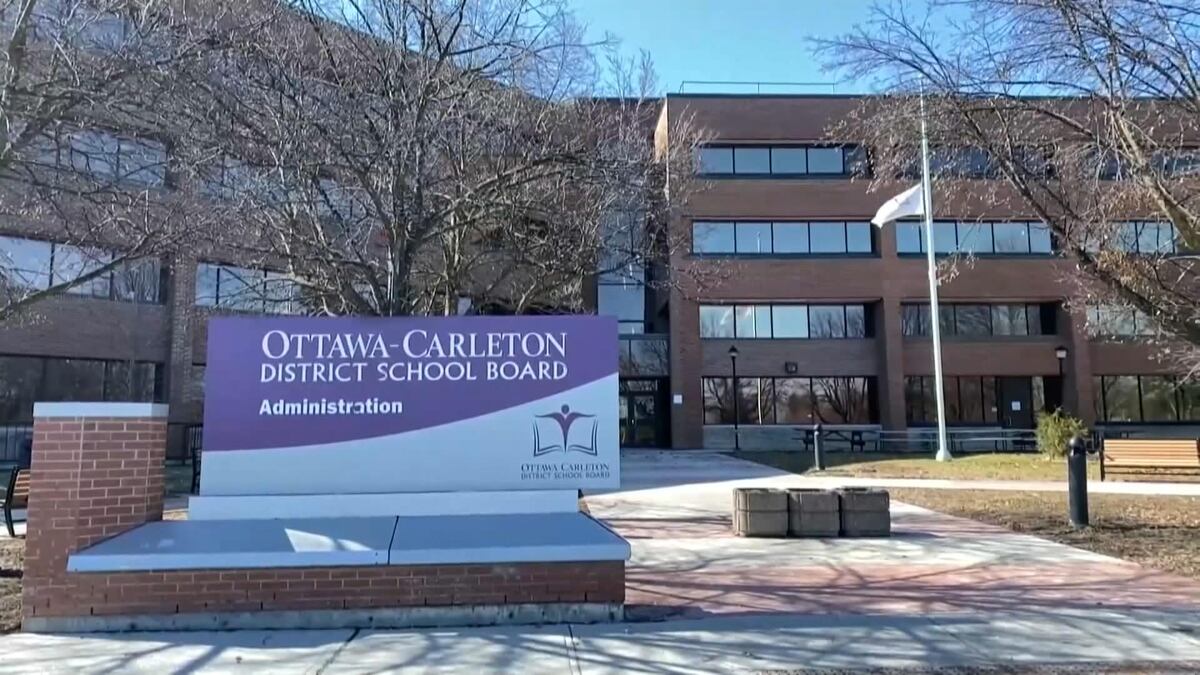
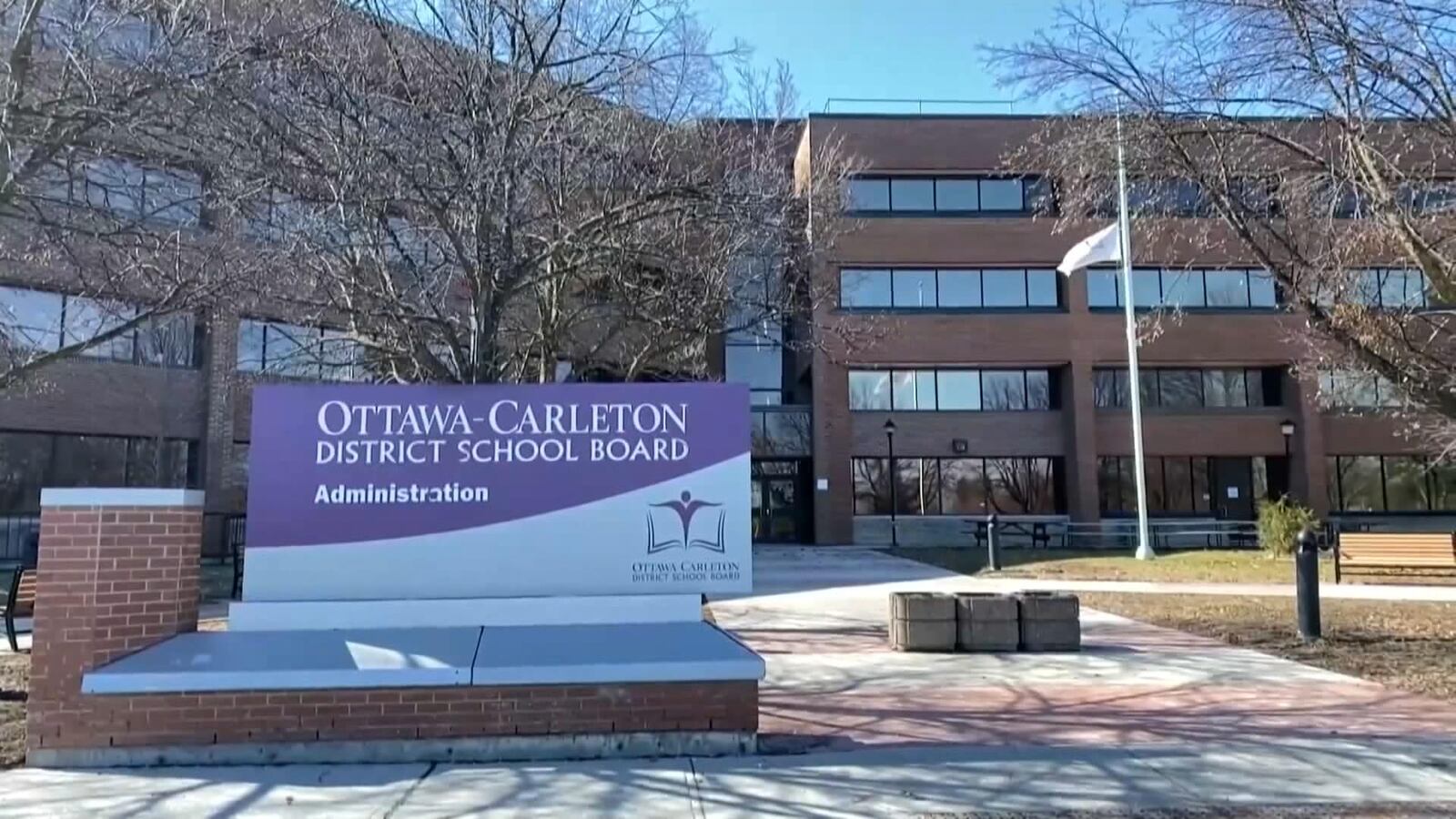
The Ottawa-Carleton District School Board (OCDSB) has confirmed plans to eliminate 69 unionized positions by the end of August. These staffing adjustments are specifically aimed at "centrally managed staff to reduce central overhead and administrative inefficiencies," according to a spokesperson for the board. This move is part of a broader initiative, the "Student-Focused Resource Optimization Project," which the board states prioritizes classroom resources by rigorously evaluating them through the lens of student achievement and well-being. Crucially, these cuts are not expected to impact schools directly, with no planned reductions to class-based positions or frontline student supports. The decision follows an audit committee meeting on April 28, where a report revealed the board was already preparing to cut 83 full-time equivalent (FTE) teacher positions due to a projected decrease in student enrollment. The OCDSB, which is the largest school board in Ottawa, was placed under the supervision of Robert Plamondon last June by the provincial government, citing significant financial concerns. This latest round of cuts underscores the financial pressures facing the district. Union representatives have confirmed that at least 97 positions are being cut in total. Melodie Gondek, president of the office, clerical, and technician employees unit, stated that while some new roles are proposed, they largely consolidate existing work, resulting in a net loss of 48 jobs for her unit. Gondek attributed the downsizing to "chronic government underfunding of staff and services required to keep the OCDSB functioning," adding that the cuts build on previous attrition programs and reflect ongoing underfunding since 2018.
Declining Enrollment Drives Staffing Adjustments
The primary driver behind the OCDSB's staffing adjustments is a significant and projected decline in student enrollment. Elementary school enrollment is expected to decrease by 766 students in September, while secondary schools anticipate 938 fewer students at the start of the 2026-2027 school year. This trend is attributed to a combination of factors, including a decrease in birth rates, parents choosing to keep kindergarten-aged children at home, a reduction in international student intake, and a general decline in immigration. At the secondary level, a portion of the enrollment decrease is also linked to the transition of approximately 600 students over the age of 21 to the Continuing Education Day School model. For elementary schools, staff noted that the reduction "aligns with broader provincial patterns," a phenomenon influenced by demographic shifts and parental choices. Robert Plamondon, the provincial supervisor, had previously communicated to parents that the board had overestimated student enrollment for several years. This overestimation led to situations where staff had to reorganize classrooms to accommodate anticipated shortfalls, rather than focusing on welcoming new students and commencing instruction. indicated an expected reduction of 45.79 FTEs in elementary schools and 37.50 FTEs at the secondary level, which staff anticipate will be absorbed through normal attrition rates like retirements and resignations.
Impact on Plant Support and Other Units
Beyond the centrally managed administrative roles, the cuts also extend to essential plant support positions. Philip Battison, president of the bargaining plant support unit, confirmed that 49 plant support positions are being eliminated. These roles encompass custodial, skilled trades, and cafeteria jobs. Battison noted that while approximately 15 of these positions are currently vacant, the cuts will come into effect in September, impacting about five percent of his unit's 730 members. Battison has been engaged in discussions with Supervisor Plamondon since July of the previous year, proposing various cost-saving measures. He expressed concern about the physical toll on remaining workers, stating, "I hear from workers every day that they’re exhausted. There are injuries every day because of the physical nature of the job." While official numbers for the unit representing education assistants and early childhood educators have not yet been finalized, Chris Walsh, the president of that bargaining unit, anticipates a reduction in early childhood educator positions. This is directly tied to the projected decrease in kindergarten enrollment, which is expected to lead to a loss of classes across the district. Walsh indicated, however, that he does not foresee any cuts to the approximately 853 educational assistant positions.
Financial Oversight and Historical Context
The financial difficulties that led to the provincial supervision of the OCDSB began last June. The province cited financial concerns as the reason for appointing Robert Plamondon to oversee the board. This intervention highlights a period of significant fiscal scrutiny for one of Ontario's largest school districts. The current staffing reductions are framed by union representatives as a consequence of "chronic government underfunding" dating back to 2018. Melodie Gondek of the office, clerical, and technician employees unit stated that the cuts build upon last year's attrition program, which was implemented to balance the budget. This suggests a multi-year effort to address financial shortfalls. also projected a drop of 1.83 FTEs in principal and vice-principal allocations, indicating that even leadership positions are subject to review in light of the board's financial and enrollment challenges. The situation at the OCDSB reflects broader trends in educational funding and demographic shifts that are impacting school boards across the province.
The bottom line
- The OCDSB is reducing its workforce by 69 unionized positions, primarily in central administrative roles.
- Declining student enrollment, with significant drops projected for both elementary and secondary levels, is a key factor driving the cuts.
- Provincial supervision, initiated due to financial concerns, continues to shape the board's operational decisions.
- Union leaders attribute the staffing reductions to long-term government underfunding and its impact on services.
- While central administrative and plant support roles are affected, frontline student supports and classroom positions are reportedly not targeted.





Vancouver Shatters 125-Year-Old Heat Record Amidst Record Energy Demand

Cirelli, Suzuki, Nelson Named Selke Trophy Finalists

Bad Bunny’s Super Bowl Halftime Show Sets Viewership Record as NFL Expands Latin American Reach
