Saudi Arabia Halts U.S. Military Access Amid Project Freedom Standoff
Riyadh's decision to suspend basing and overflight rights forces a pause in a key U.S. operation, highlighting strained regional alliances.
CANADA —
Key facts
- Saudi Arabia has suspended the U.S. military's ability to use its bases and airspace.
- This action was a response to President Donald Trump's announcement of 'Project Freedom'.
- Prince Sultan Airbase in Saudi Arabia is a critical hub for U.S. military operations.
- A call between President Trump and Crown Prince Mohammed bin Salman failed to resolve the dispute.
- Project Freedom aimed to facilitate ship passage through the Strait of Hormuz.
- The U.S. military requires 'access, basing and overflight' (ABO) permissions from regional partners.
- Central Command had previously announced two U.S.-flagged ships transited the strait.
- The pause in Project Freedom is intended to allow for negotiations on a broader agreement.
Operation Halted by Key Ally's Rejection
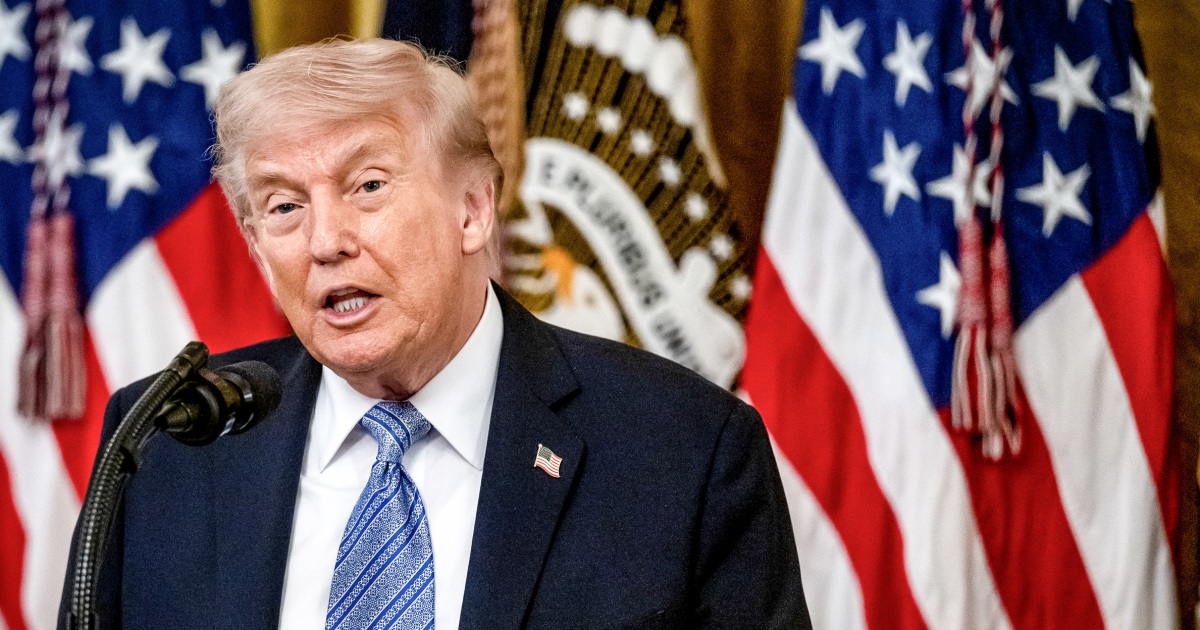
Saudi Arabia, a pivotal ally in the Persian Gulf, has abruptly halted the U.S. military's capacity to utilize its bases and airspace for a critical operation. This decisive move has forced a pause in "Project Freedom," an initiative designed to ensure the safe passage of ships through the Strait of Hormuz. The decision by Riyadh underscores the complex and often delicate nature of U.S. military cooperation with its regional partners. The suspension came after President Donald Trump's surprise announcement of Project Freedom via social media. The initiative, intended as a "humanitarian gesture" to aid vessels and their crews, also served to counter Iran's influence over the vital waterway. However, the manner of the announcement appears to have deeply angered Saudi leadership, prompting their swift response. Sources within the U.S. administration confirmed that the Kingdom informed Washington it would no longer permit U.S. military aircraft to operate from Prince Sultan Airbase, located southeast of Riyadh, nor to transit Saudi airspace in support of the operation. This denial of access, known as ABO (access, basing, and overflight) in military parlance, is fundamental for projecting power and maintaining operational reach in the region.
Diplomatic Rift Emerges Over Project Freedom
A direct appeal from President Trump to Saudi Crown Prince Mohammed bin Salman did not yield a resolution to the dispute.te the situation compelled the President to temporarily suspend Project Freedom, a move aimed at restoring the U.S. military's essential access to Saudi airspace. The abruptness of the announcement also caught other close Gulf allies off guard. Leaders in Qatar, for instance, were only contacted after the operation had already commenced. A Saudi source, however, indicated that regular communication had been maintained between President Trump and Crown Prince Mohammed bin Salman, as well as with other U.S. officials including Vice President JD Vance and Secretary of State Marco Rubio. Contradicting these assertions, a White House official stated that "Regional allies were notified in advance." Yet, a coordination with Oman regarding Project Freedom only occurred after Trump's public announcement, noting, "The U.S. made an announcement and then coordinated with us." This diplomat added that Oman was "not upset or angry" by the sequence of events.
Prince Sultan Airbase: A Critical Node
Prince Sultan Airbase, situated southeast of Riyadh, serves as a vital staging ground for U.S. military operations in the region. The base hosts fighter aircraft, refueling tankers, and air defense systems, all of which rely on access and overflight permissions from Saudi Arabia. Historically, the Kingdom has granted the U.S. military the necessary authorizations to fly aircraft from Prince Sultan Airbase to support operations, including those related to Iran. Furthermore, Saudi Arabia's cooperation has been essential for enabling aircraft based in neighboring countries to fly over its territory. Geographical realities dictate the necessity of such regional cooperation. As one U.S. official explained, "Because of geography, you need cooperation from regional partners to utilize their airspace along their borders." In many instances, there is simply no viable alternative route for military aircraft, which are crucial for providing a defensive umbrella to ships operating in contested waters.
Shifting Sands: From Confrontation to Negotiation
The pause in Project Freedom is directly linked to ongoing diplomatic efforts aimed at resolving broader tensions. President Trump announced the suspension, stating it would be "paused for a short period of time to see whether or not" an agreement to end the conflict "can be finalized and signed." This development follows a series of rapid policy shifts from the Trump administration over a short period. The President's approach has oscillated between asserting a need for Iran to "pay a big enough price" and announcing "Great Progress has been made toward a Complete and Final Agreement." This dynamic suggests an administration navigating a complex geopolitical landscape, seeking an exit that avoids both humiliation and prolonged conflict. The terms of the potential agreement involve a mutual lifting of blockades in the Strait of Hormuz over the course of ongoing talks. While Iran's Islamic Revolutionary Guard Corps has indicated that reopening the strait is possible, Tehran has not provided a direct response to the reported proposal. Iranian officials have stated their preference for the blockade to end before any discussions commence.
Iran's Response and Negotiating Hurdles
Tehran's reaction to the proposal has been mixed. The foreign ministry indicated the proposal was under review, but Ebrahim Rezaei, a spokesperson for the Iranian parliament's national security and foreign policy commission, dismissed it as an "American wishlist, not a reality." The potential for agreement hinges on the ability of various power centers within Iran to coalesce around a unified position. This proposal could serve as a critical test of that internal consensus. Even if negotiations commence, the 30-day timeframe for resolving deeply entrenched disputes, including Iran's nuclear program and U.S.-led sanctions, appears exceedingly short. Discussions around Iran's nuclear activities have previously involved significant gaps, with Iran offering a five-year moratorium on uranium enrichment while the new proposal suggests a potential compromise, possibly ranging from 12 to 15 years. Additionally, Iran's pre-war offer to address its stockpile of highly enriched uranium, either through dilution or export, is now being framed within the new negotiating context, with potential export, possibly even to the U.S., being considered.
Market Reaction and Future Outlook
The announcement of Project Freedom's pause and the prospect of de-escalation had a tangible impact on global markets. President Trump's optimistic messaging led to a drop in oil prices and a rise in stock markets. However, the underlying challenges remain significant. The U.S. military had amassed additional ships in the Gulf in anticipation of Project Freedom, and the operation itself had seen two U.S.-flagged vessels successfully transit the strait before being halted. The effectiveness of military aircraft in providing a protective "defensive umbrella" for ships during such operations has been underscored by the need for ABO permissions. Saudi Arabia and Jordan are identified as critical for basing aircraft, Kuwait for overflight, and Oman for both overflight and naval logistics. The disruption of access to any of these critical components, as demonstrated by Saudi Arabia's actions, can have immediate and far-reaching consequences for U.S. military operations in the region. The path forward hinges on the successful navigation of complex diplomatic channels and the willingness of all parties to compromise.
The bottom line
- Saudi Arabia's suspension of U.S. military basing and overflight rights has halted 'Project Freedom'.
- The decision by Riyadh was a direct response to President Trump's uncoordinated announcement of the operation.
- Prince Sultan Airbase in Saudi Arabia is a crucial logistical hub for U.S. military activities in the Gulf.
- A phone call between President Trump and Crown Prince Mohammed bin Salman failed to resolve the dispute.
- The pause in Project Freedom is intended to create space for negotiations on a broader agreement concerning the Strait of Hormuz.
- Iran has described the U.S. proposal as an 'American wishlist' and awaits the lifting of blockades before engaging in talks.


Lotto Max Jackpot Climbs to $70 Million as Major Prizes Go Unclaimed

Nintendo Announces Star Fox Remake for Switch 2

Survivor 50: Double Elimination Sees Alliances Crumble