Saudi Arabia Halts U.S. Military Access After Trump's Hormuz Plan
Riyadh restricts use of key airbase and airspace following surprise announcement of 'Project Freedom', forcing a presidential pause.
CANADA —
Key facts
- Saudi Arabia suspended U.S. military access to its bases and airspace.
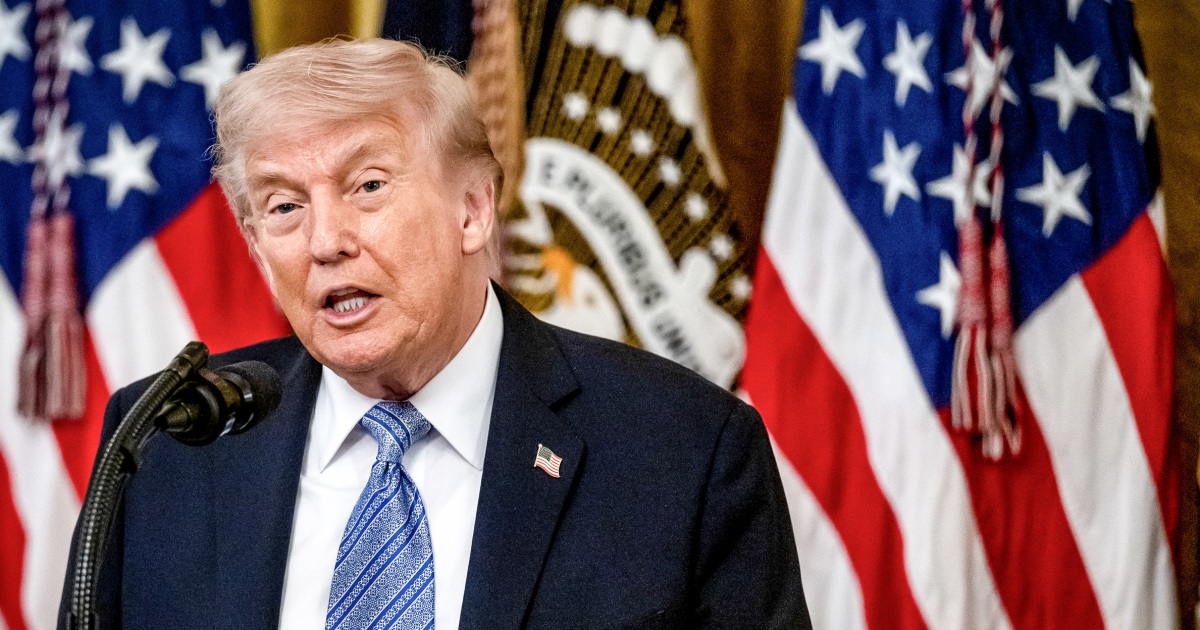
- The move followed President Donald Trump's surprise announcement of 'Project Freedom'.
- Prince Sultan Airbase southeast of Riyadh was among the facilities affected.
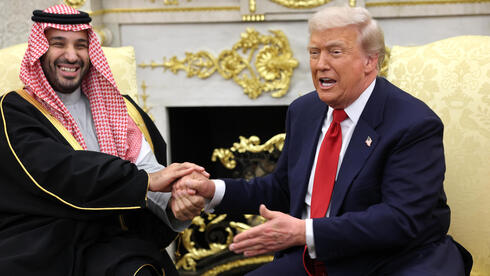
- A call between Trump and Crown Prince Mohammed bin Salman failed to resolve the issue.
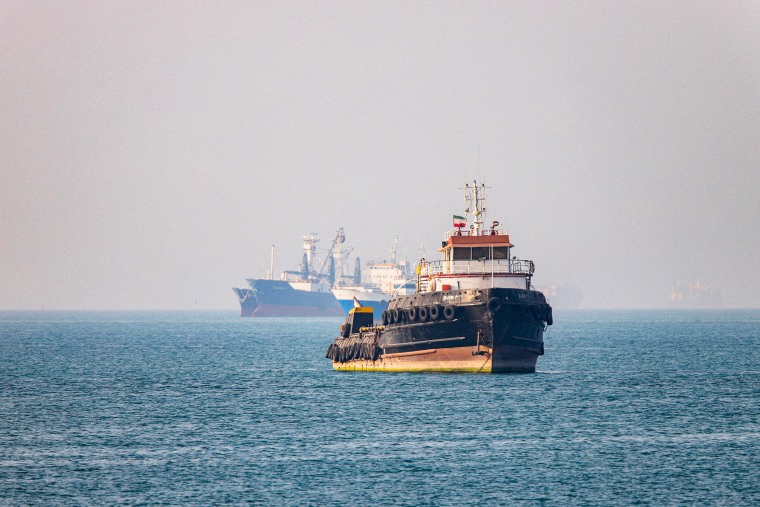
- 'Project Freedom' aimed to help ships transit the Strait of Hormuz.
- Other Gulf allies were also caught off guard by the announcement.
- The U.S. military operation was paused to restore access.
Hormuz Operation Halted Amidst Ally Rift
President Donald Trump's initiative to assist vessels navigating the Strait of Hormuz has been abruptly paused, a decision precipitated by a critical Gulf ally's withdrawal of military access. Saudi Arabia, a long-standing partner in the region, has suspended the U.S. military’s ability to utilize its bases and airspace for operations, a move that has forced a temporary cessation of the American effort. The initiative, dubbed 'Project Freedom' by the President, was announced via social media on a Sunday afternoon. This unilateral declaration appears to have blindsided key regional players, including Saudi leadership, whose subsequent actions have directly impacted U.S. military planning and execution. The ramifications of this diplomatic friction are significant, highlighting the delicate balance of regional alliances and the potential for unilateral actions to disrupt established military cooperation. The pause underscores the reliance of U.S. military operations in the region on the consent and cooperation of its partners.
Riyadh Restricts Access After Surprise Announcement
The Kingdom of Saudi Arabia informed the United States that it would no longer permit U.S. military aircraft to operate from Prince Sultan Airbase, located southeast of Riyadh. Furthermore, Saudi Arabia has blocked the use of its airspace for any operations supporting 'Project Freedom'. This decision came as a direct response to President Trump's unexpected public announcement of the initiative. Sources indicate that the leadership in Riyadh was both surprised and angered by the manner of the announcement. The U.S. military had been preparing to deploy additional ships in the Gulf in anticipation of the operation, which aimed to provide a defensive umbrella for commercial and military vessels passing through the strategically vital Strait of Hormuz. This restriction on access, known within the U.S. military as ABO (access, basing, and overflight), is crucial for many operations in the region. Saudi Arabia and Jordan are particularly vital for basing aircraft, while Kuwait is essential for overflight permissions. Oman also plays a key role for both overflight and naval logistics.
Diplomatic Efforts Fail to Mend Rift
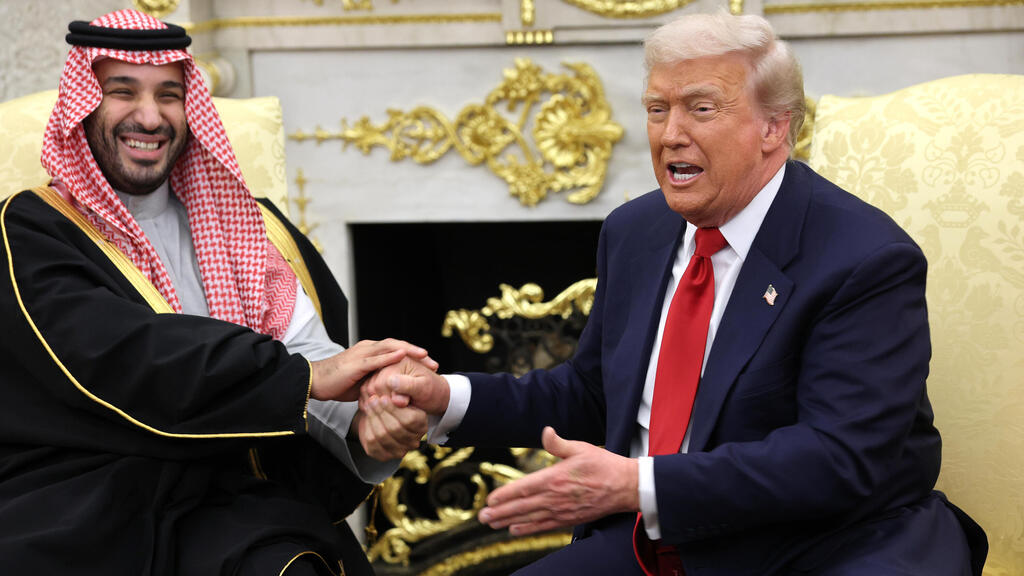
Efforts to de-escalate the situation and restore military access proved unsuccessful. A direct telephone conversation between President Trump and Saudi Crown Prince Mohammed bin Salman did not yield a resolution to the dispute over the use of Saudi facilities and airspace. The failure of this high-level communication meant that the U.S. military had no choice but to halt 'Project Freedom' to ensure the necessary logistical and operational support could be re-established. The President stated that the operation would be paused for a short period to allow for potential diplomatic breakthroughs regarding the resolution of the ongoing conflict. This incident also revealed broader coordination issues, with other close Gulf allies reportedly being caught off guard by the announcement. The President reportedly spoke with leaders in Qatar only after the operation had already commenced, further indicating a potential disconnect in regional communication.
Project Freedom's Objectives and Previous Cooperation
The objective of 'Project Freedom' was to facilitate the safe passage of ships through the Strait of Hormuz, a critical chokepoint for global oil shipments. The U.S. military had previously been engaged in Operation Epic Fury against Iran, and during that period, Saudi Arabia had granted permission for U.S. aircraft to operate from Prince Sultan Airbase. This base is a significant hub for U.S. military assets, including fighter jets, refueling tankers, and air defense systems. During Operation Epic Fury, prior to the current temporary ceasefire between the U.S. and Iran, Saudi Arabia's cooperation was instrumental. It allowed U.S. aircraft to fly from Prince Sultan Airbase and provided overflight permissions for aircraft based in neighboring countries. This cooperation was essential for providing the necessary aerial support and defensive capabilities for ships operating in the region. Central Command had announced that two U.S.-flagged ships had successfully transited the strait as part of the initial phase of 'Project Freedom' before its subsequent pause. The military was in the process of positioning additional ships in the Gulf for transit when the access restrictions were imposed.
Mixed Reactions from Other Allies
While Saudi Arabia's reaction was notably negative, other Gulf allies exhibited varied responses. Some close allies were also surprised by the sudden announcement, suggesting a wider communication gap. However, a Middle Eastern diplomat stated that the U.S. did not coordinate 'Project Freedom' with Oman until after the President's announcement. This diplomat clarified that Oman was not angered by the late notification, indicating a more flexible stance compared to Riyadh. The U.S. approach, as described by the diplomat, involved making an announcement and then proceeding with coordination, a method that clearly did not sit well with all partners. Despite the diplomatic friction, a Saudi source maintained that President Trump and Crown Prince Mohammed bin Salman have been in regular contact, and Saudi officials have also been in communication with U.S. Vice President JD Vance, Central Command, and Secretary of State Marco Rubio. This suggests ongoing, albeit strained, lines of communication.
The Critical Role of Airspace Access
The necessity of securing regional cooperation for military operations cannot be overstated. As one U.S. official explained, geography dictates that utilizing the airspace of regional partners is often indispensable, particularly along borders. In many instances, there are no alternative routes that circumvent the need for such permissions. Military aircraft play a critical role in operations like 'Project Freedom', providing a vital defensive umbrella for ships. Without assured access to bases and airspace, the effectiveness and feasibility of these protective measures are severely compromised. This reliance on host nation consent highlights the strategic importance of maintaining strong diplomatic ties and ensuring thorough coordination with allies before initiating sensitive operations. The incident serves as a stark reminder that military power projection is intrinsically linked to diplomatic consensus and logistical agreements.
The bottom line
- Saudi Arabia has revoked U.S. military access to its bases and airspace, impacting 'Project Freedom'.
- President Trump's surprise social media announcement of the Hormuz initiative angered Riyadh.
- A call between Trump and Crown Prince Mohammed bin Salman failed to resolve the access dispute.
- The U.S. military operation to assist ships in the Strait of Hormuz has been paused.
- Other Gulf allies were also caught off guard by the U.S. announcement.
- The incident underscores the critical need for allied coordination in regional military operations.



Mavericks Hire Masai Ujiri as President, Charging Him to Rebuild After Dončić Trade Fallout
Mark Carney Appoints Louise Arbour as Canada's Next Governor General

Golden Knights Seek Improvement Against Determined Ducks in Game 2
