US Military Strikes Iranian Tanker Amid Tense Diplomatic Maneuvers
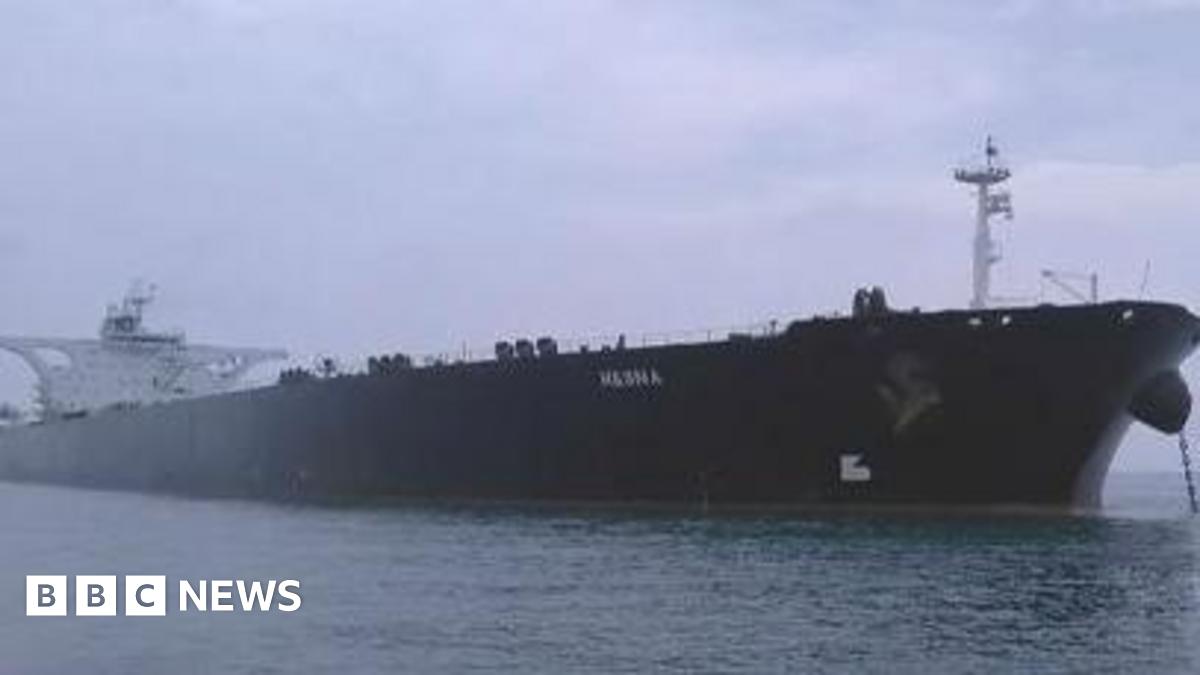
An American fighter jet disabled an oil tanker attempting to breach a naval blockade, as President Trump issued an ultimatum to Tehran.
CANADA —
Key facts
- US Central Command disabled an Iranian-flagged oil tanker in the Gulf of Oman on Wednesday.
- The tanker attempted to breach the US blockade of Iranian ports.
- President Trump issued an ultimatum to Iran to accept a deal or face intensified bombing.
- Israel launched strikes on Beirut's suburbs, targeting a senior Hezbollah commander.
- Washington and Tehran were close to a memorandum of understanding.
- Project Freedom, a US naval effort to guide ships through the Strait of Hormuz, was suspended.
- Over 800 ships and 20,000 crew members remain stranded west of the Strait of Hormuz.
Naval Action Follows Diplomatic Volatility
The United States military fired upon and disabled an Iranian-flagged oil tanker in the Gulf of Oman on Wednesday, an action that occurred within minutes of US Central Command announcing the incident. This naval engagement unfolded amidst a period of intense and rapidly shifting diplomatic overtures between Washington and Tehran, alongside a significant Israeli airstrike in Lebanon. The tanker was targeted as it attempted to breach the US naval blockade that has been imposed on Iranian ports. US Central Command stated that the fighter jet fired several rounds, specifically disabling the vessel's rudder. This event marks a sharp escalation in the ongoing tensions, occurring just hours after President Donald Trump issued a stark ultimatum to Iran, warning of significantly intensified bombing if a deal to end the protracted conflict was not accepted.
Trump's Ultimatum and Shifting Policies
President Trump delivered a fresh warning to Tehran, stating that Iran must agree to a deal to end the war or face a "much higher level and intensity" of US bombing. The President made these remarks via his Truth Social platform, referencing the military operation he initiated with Israel in February, known as Epic Fury. His announcement followed a series of dramatic and sometimes contradictory policy shifts from the administration. Earlier in the day, Trump had announced the suspension of "Project Freedom," a naval operation designed to escort commercial ships through the Strait of Hormuz. This suspension came after requests from "mediator Pakistan and other countries," according to the President, who also claimed "Great Progress has been made toward a Complete and Final Agreement." However, the situation remained fluid, with reports emerging that Washington and Tehran were nearing a potential agreement. A US media outlet indicated that officials were close to finalizing a memorandum of understanding, with an Iranian response anticipated within 48 hours. This was described as the closest the parties had come to a deal, though Pakistani officials cautioned that talks remained "difficult" and certainty was elusive.
Israeli Strikes Target Hezbollah in Beirut
In parallel with the US military action and diplomatic flux, Israeli forces conducted airstrikes on the suburbs of Beirut, Lebanon. This marked the first time the capital's outskirts had been hit since a ceasefire was declared on April 16. Prime Minister Benjamin Netanyahu stated that the Israeli military was targeting a senior Hezbollah commander. Images circulating online depicted significant damage in the Dahieh area, a known stronghold of the militant group. Netanyahu, who was scheduled to speak with President Trump on Wednesday evening, indicated that Israel was "prepared for all scenarios," underscoring the volatile regional security landscape.
Strait of Hormuz Blockade and Stranded Vessels
The US naval blockade of the Strait of Hormuz remains in effect, with US Central Command reporting that 52 ships had been turned around thus far. The command reiterated that the blockade against vessels attempting to enter or depart Iranian ports was "in full effect." This blockade has created a critical bottleneck, leaving more than 800 ships and approximately 20,000 crew members stranded west of the narrow waterway. Iran has previously threatened to deploy a range of assets, including mines, drones, missiles, and fast-attack craft, to disrupt commercial shipping and has warned that passage through the strait is too perilous. The disruption to shipping through the Strait of Hormuz, a vital artery for global oil supplies, has had a tangible impact on fuel prices worldwide.
Iran's Stance Amidst Pressure
Iran's most senior negotiator and speaker of the Iranian parliament, Mohammad Bagher Ghalibaf, presented a defiant stance. He asserted that Washington's approach, including the naval blockade and economic pressure, was a deliberate strategy to undermine the country's cohesion and force surrender. "The enemy, in its new design, is seeking, through a naval blockade, economic pressure and media manipulation, to destroy the country’s cohesion in order to force us to surrender," Ghalibaf stated in a voice message published on his official Telegram channel. Iran's foreign ministry spokesperson had earlier indicated that a US proposal was still under consideration. The Iranian Navy also commented that the Strait of Hormuz could reopen if there was an "end of the aggressors' threats," suggesting a conditional willingness to de-escalate.
The bottom line
- The US military directly engaged an Iranian oil tanker attempting to breach a naval blockade in the Gulf of Oman.
- President Trump issued a severe ultimatum to Iran, threatening intensified military action.
- Simultaneously, diplomatic efforts appeared to be progressing towards a potential agreement, creating a complex and contradictory situation.
- Israel conducted airstrikes in Beirut, targeting a Hezbollah commander, adding another layer of regional tension.
- The ongoing blockade of the Strait of Hormuz continues to disrupt global shipping and has left hundreds of vessels stranded.



Céline Galipeau steps down as anchor of Radio-Canada's flagship newscast after 17 years

Flyers and Hurricanes Set for First Postseason Meeting After Four Overtime Thrillers

Quebec Braces for Major Winter Storm with Snow, Ice, and High Winds
