13,000 Flights Cut in May as Jet Fuel Crisis Threatens Summer Travel
Airlines slash two million seats worldwide amid soaring fuel prices and Middle East supply disruption, with UK facing potential rationing.

UNITED KINGDOM —
Key facts
- 13,000 flights cancelled worldwide in May, per Cirium data.
- Two million airline seats cut from May schedules.
- Jet fuel price more than doubled since US-Israel attack on Iran and Strait of Hormuz closure.
- UK imports 65% of jet fuel, most exposed in Europe, says Goldman Sachs.
- Lufthansa cut 20,000 short-haul flights via CityLine subsidiary.
- Goldman Sachs warns UK stocks could fall to critically low levels, increasing rationing likelihood.
- Transport Secretary Heidi Alexander agreed to relax slot rules to avoid summer disruption.
The Lede: A Crisis in the Air
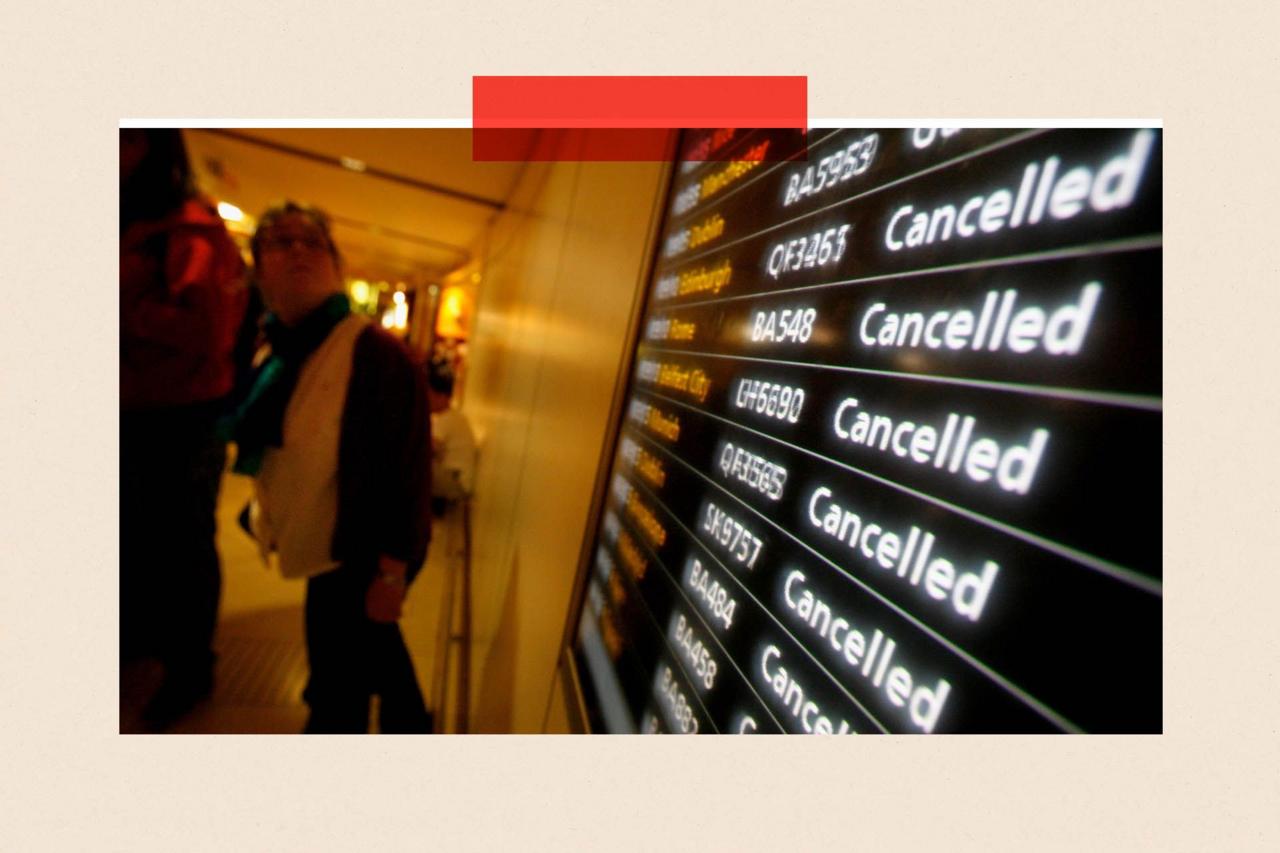
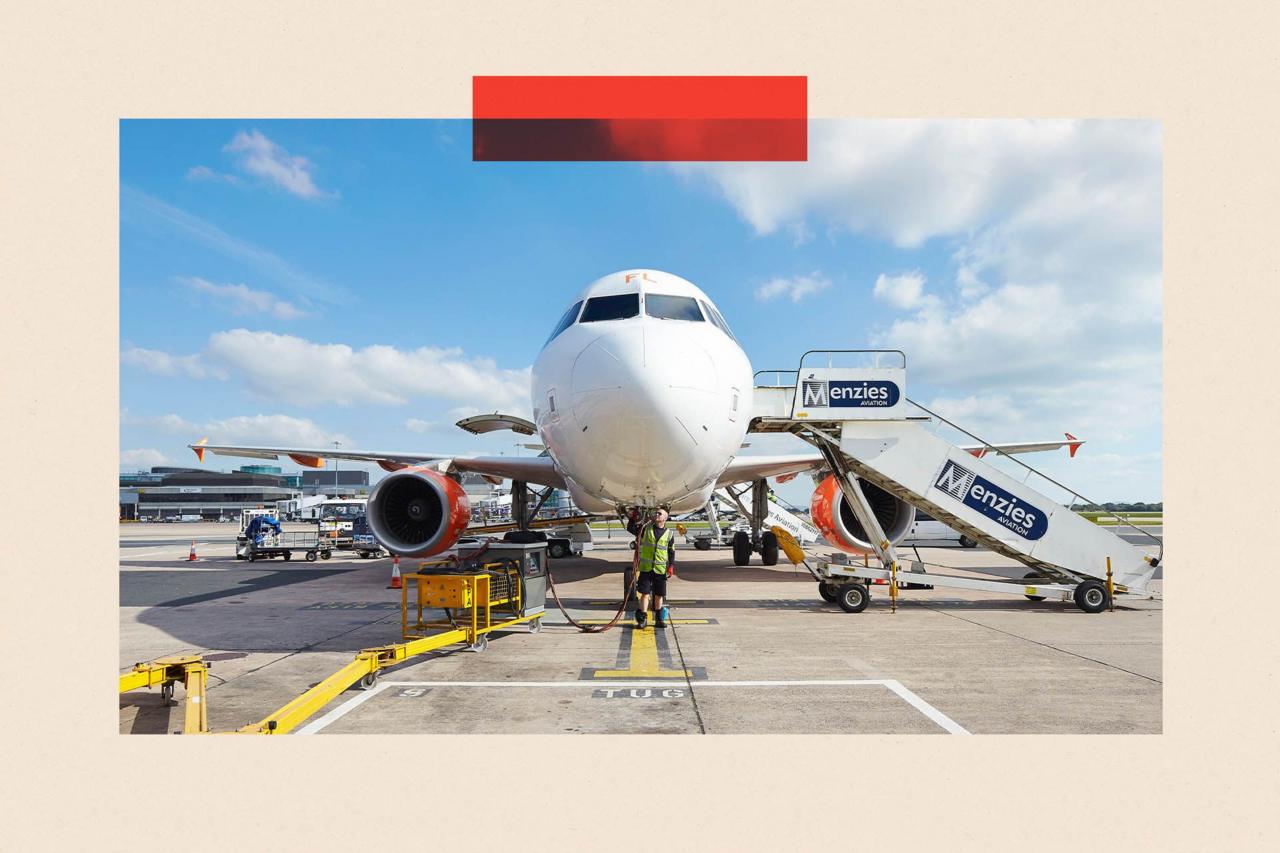
Step onto the tarmac at any major airport, and the unmistakable smell of jet fuel now carries a far more expensive price tag. The cost of jet fuel has more than doubled since the US-Israel attack on Iran and the closure of the Strait of Hormuz, triggering a wave of flight cancellations and capacity cuts that threaten to upend summer travel plans. Airlines have already cancelled some 13,000 flights worldwide in May, according to aviation analytics firm Cirium, removing two million seats from schedules. While this represents less than 2% of global capacity, the underlying fuel supply crisis could lead to far deeper disruption in the months ahead.
The Numbers Behind the Chaos
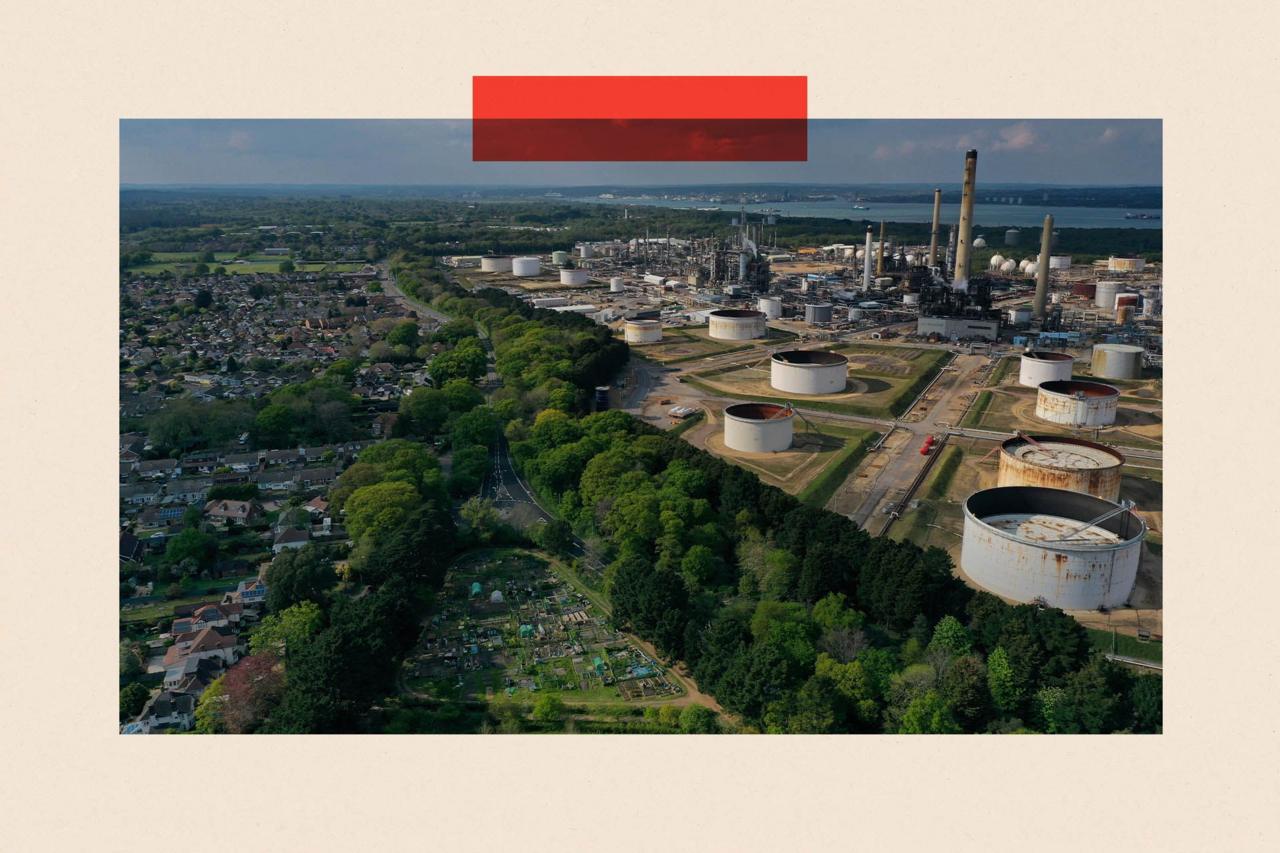
The price of jet fuel in Europe surged from $831 per tonne in late February to $1,838 by early April — an increase of more than 120% — before retreating but remaining above $1,500. The Gulf region normally supplies about 20% of globally traded jet fuel, but with the Strait of Hormuz blocked for eight weeks, those supplies have been cut off. Europe, a key buyer, has seen five refinery closures in the last two and a half years, while jet fuel demand has risen year on year, head of jet fuel pricing at Argus Media. The UK is particularly vulnerable, importing 65% of its jet fuel and operating only four refineries.
Airlines React: Cuts and Hedging
Turkish Airlines and Lufthansa have made the deepest cuts, with Lufthansa axing 20,000 short-haul flights operated by its CityLine subsidiary. Istanbul and Munich recorded the biggest drops in flight numbers. However, most major short-haul airlines operating from the UK — including EasyJet and Wizz Air — have hedged their fuel costs and pledged to run full summer schedules, despite pressure on unhedged portions. no current shortages, given the usual six weeks of supply visibility, but international agencies predict Europe could face shortages if the Middle East conflict continues to disrupt supplies.
UK Government Steps In
on Monday that the UK is the most exposed European nation due to its low inventories, high import reliance, and reduced domestic refining capacity. The bank said stocks could fall to 'critically low levels, increasing the likelihood of rationing measures.' In response, the UK government announced at the weekend that it would relax 'use-it-or-lose-it' slot rules, allowing airlines to cancel flights with fewer seats sold without losing valuable operating rights for the next season. Transport Secretary Heidi Alexander, who agreed the measures with the aviation industry, said there were no 'immediate supply issues' but the government was 'preparing now to give families long-term certainty and avoid unnecessary disruption at the departure gate this summer.'
Summer Outlook: Uncertainty and Higher Fares
Airlines have already pushed up ticket prices as fuel costs rise, and further cancellations could follow if the Strait of Hormuz remains closed. Jet fuel accounts for 25-30% of airline operating costs, according to the International Air Transport Association (IATA), making profitability highly sensitive to price swings. While the May cuts are modest in percentage terms, the summer peak season could see more severe disruption. The government's flexibility measures may help consolidate flights on popular routes, but the underlying fuel supply problem remains unresolved. For holidaymakers, the smell of jet fuel at the airport may soon be accompanied by the bitter taste of uncertainty.
The bottom line
- 13,000 flights and two million seats have been cut in May due to soaring jet fuel prices from the Middle East conflict.
- Jet fuel price more than doubled after the US-Israel attack on Iran and Strait of Hormuz closure.
- UK is the most exposed European country, importing 65% of jet fuel, with Goldman Sachs warning of critically low stocks and possible rationing.
- Lufthansa and Turkish Airlines made the deepest cuts; EasyJet and Wizz Air remain committed to summer schedules due to fuel hedging.
- UK government relaxed slot rules to allow airlines to consolidate flights and avoid last-minute cancellations.
- Summer travel faces continued risk of disruption if the Strait of Hormuz remains blocked and fuel supplies tighten.


Zelenskyy Offers Open-Ended Truce as Putin Demands Two-Day Ceasefire for Victory Day
Trump Threatens to 'Blow Iran Off the Face of the Earth' as US Escalates Strait of Hormuz Operation

USDA Expands Salmonella Alert as Aldi, Walmart Frozen Pizzas Added to Recall List
