BBC Unveils Extensive Eurovision 2026 Coverage as 70th Contest Heads to Vienna
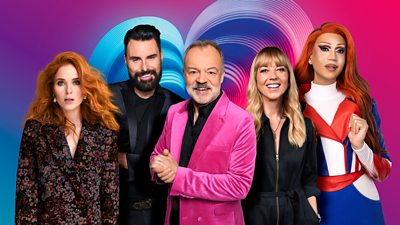
With Graham Norton, Rylan, Sara Cox and Angela Scanlon on commentary, the broadcaster promises a 'treasure trove' of content across TV, radio and digital for the milestone edition.
UNITED KINGDOM —
Key facts
- Eurovision 2026 is the 70th edition, held in Vienna, Austria, last hosted in 2015.
- The Grand Final is on Saturday 16 May, with Semi-Finals on 12 and 14 May.
- UK entry LOOK MUM NO COMPUTER performs 'Eins, Zwei, Drei' in the second Semi-Final.
- 35 countries compete; 25 qualify for the Grand Final (top ten from each Semi-Final plus Big Five and host).
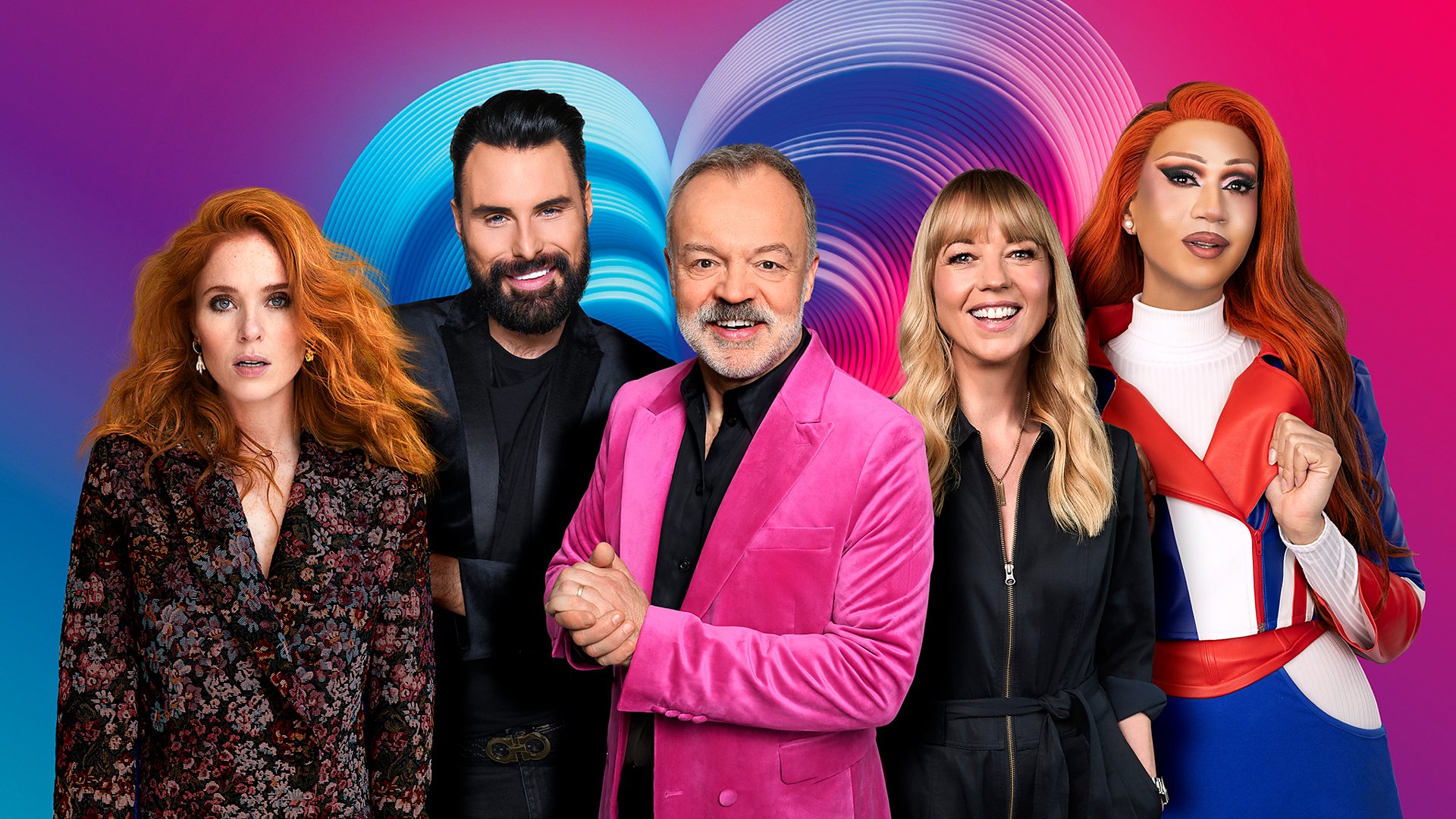
- BBC coverage spans BBC One, iPlayer, Radio 2 and Sounds, with commentary by Graham Norton, Rylan, Sara Cox and Angela Scanlon.
- Last year's Grand Final averaged 7.1 million UK viewers, including 1.2 million aged 16–34.
- First rehearsals begin 2 May at Wiener Stadthalle; a live blog on Reddit will cover all 35 acts.
- BBC's digital channels feature Tia Kofi reporting backstage from Vienna.
Vienna Takes Centre Stage for Eurovision’s 70th Anniversary
The Eurovision Song Contest returns for its 70th edition this May, with Vienna, Austria, hosting the world’s biggest music competition for the first time since 2015. The BBC, the UK’s official broadcaster, has unveiled an extensive slate of programming across television, radio and digital platforms to cover the event, which runs from the first rehearsals on 2 May through the Grand Final on 16 May. The contest brings together 35 competing countries this year, with the host nation Austria automatically qualifying for the final alongside the so-called Big Five: the United Kingdom, Germany, France and Italy. The UK entry, LOOK MUM NO COMPUTER, will perform his song “Eins, Zwei, Drei” during the second Semi-Final on Thursday 14 May, giving British viewers a first chance to see the act on the Eurovision stage before the Grand Final.
A Star-Studded Commentary Line-Up and Digital Expansion
The BBC’s coverage will be anchored by a seasoned commentary team led by Graham Norton, widely regarded as the voice of Eurovision in the UK, alongside Rylan, Sara Cox and newcomer Angela Scanlon. Former Drag Race UK winner Tia Kofi will provide behind-the-scenes content for the BBC’s digital channels, reporting from Vienna’s Wiener Stadthalle and the city itself. Kalpna Patel-Knight, the BBC’s Head of Entertainment, described the broadcaster as “the home of Eurovision in the UK” and promised a “treasure trove of brilliant content” for the milestone anniversary. The live broadcasts will air on BBC One, BBC iPlayer, BBC Radio 2 and BBC Sounds, with the Grand Final starting at 8pm on Saturday 16 May.
Rehearsals Begin 2 May with Reddit Live Blog and Social Media Previews
The first rehearsals at Wiener Stadthalle are scheduled for Saturday 2 May, with all 35 acts taking the stage for the first time. The BBC will run a live blog on the Eurovision subreddit, providing real-time updates on staging, choreography, props and costumes for each performance. Fans can also engage by asking questions and participating in polls. Approximately 24 hours after each first rehearsal, the official Eurovision Instagram and Facebook accounts will publish photo previews, offering a glimpse of how the performances will look on television. The first and second rehearsals are closed to the press, but delegations will review recordings in the viewing room to fine-tune visuals, camera work and choreography.
Audience Figures Highlight Eurovision’s Enduring Appeal in the UK
Eurovision remains one of the BBC’s most popular entertainment programmes, particularly among younger viewers. The 2025 Grand Final drew an average audience of 7.1 million in the UK, with 1.2 million viewers aged 16 to 34. The semi-finals and final consistently rank among the year’s must-watch television spectacles. The BBC’s multiplatform approach — combining linear TV, radio and digital — aims to capture both traditional audiences and younger fans who follow the contest via social media and streaming. Patel-Knight noted that Eurovision “brings the nation together for an unmissable night of joy.”
What Comes Next: From Rehearsals to the Grand Final
Artists begin arriving in Vienna on Friday 1 May, with rehearsals running from 2 May through the live shows. The first Semi-Final takes place on Tuesday 12 May, followed by the second Semi-Final on Thursday 14 May. The top ten from each semi-final advance to the Grand Final on Saturday 16 May. For UK viewers, the second Semi-Final offers the first opportunity to vote and see LOOK MUM NO COMPUTER perform live. The BBC’s digital team will continue to release behind-the-scenes content from the Drop-In Studio backstage, including interviews with the “Class of ’26.” The contest’s official channels will also publish exclusive videos in the lead-up to the live shows.
A Milestone Edition with High Stakes for the UK
The 70th edition of Eurovision carries symbolic weight, returning to Vienna after an 11-year absence. For the UK, the contest represents a chance to improve on recent performances, with LOOK MUM NO COMPUTER’s entry generating early buzz. The BBC’s comprehensive coverage — from the Reddit live blog to Tia Kofi’s digital reports — reflects the broadcaster’s investment in engaging a diverse audience. As the nation prepares to cheer on its act, the contest also underscores the enduring cultural significance of Eurovision as a unifying event. With 35 countries competing and millions watching worldwide, the 2026 edition promises to be a landmark in the competition’s history.
The bottom line
- Eurovision 2026 is the 70th edition, hosted in Vienna, Austria, with 35 countries competing.
- The UK entry LOOK MUM NO COMPUTER will perform 'Eins, Zwei, Drei' in the second Semi-Final on 14 May.
- BBC coverage includes Graham Norton, Rylan, Sara Cox and Angela Scanlon on commentary, plus Tia Kofi reporting from Vienna.
- First rehearsals start 2 May; a Reddit live blog will cover all 35 acts, with photo previews on Instagram and Facebook.
- Last year's Grand Final averaged 7.1 million UK viewers, with 1.2 million aged 16–34.
- The Grand Final airs live on BBC One, iPlayer, Radio 2 and Sounds at 8pm on Saturday 16 May.


Meryl Streep Returns as Miranda Priestly in ‘Devil Wears Prada 2’ as Sequel Hits UK Cinemas
Beşiktaş Face Historic Gaziantep Stadyumu Curse in Crucial European Push

Seven Suspects Emerge in Coronation Street Murder of Theo Silverton